When the Rains Don't Come: Feeding Children Through Drought
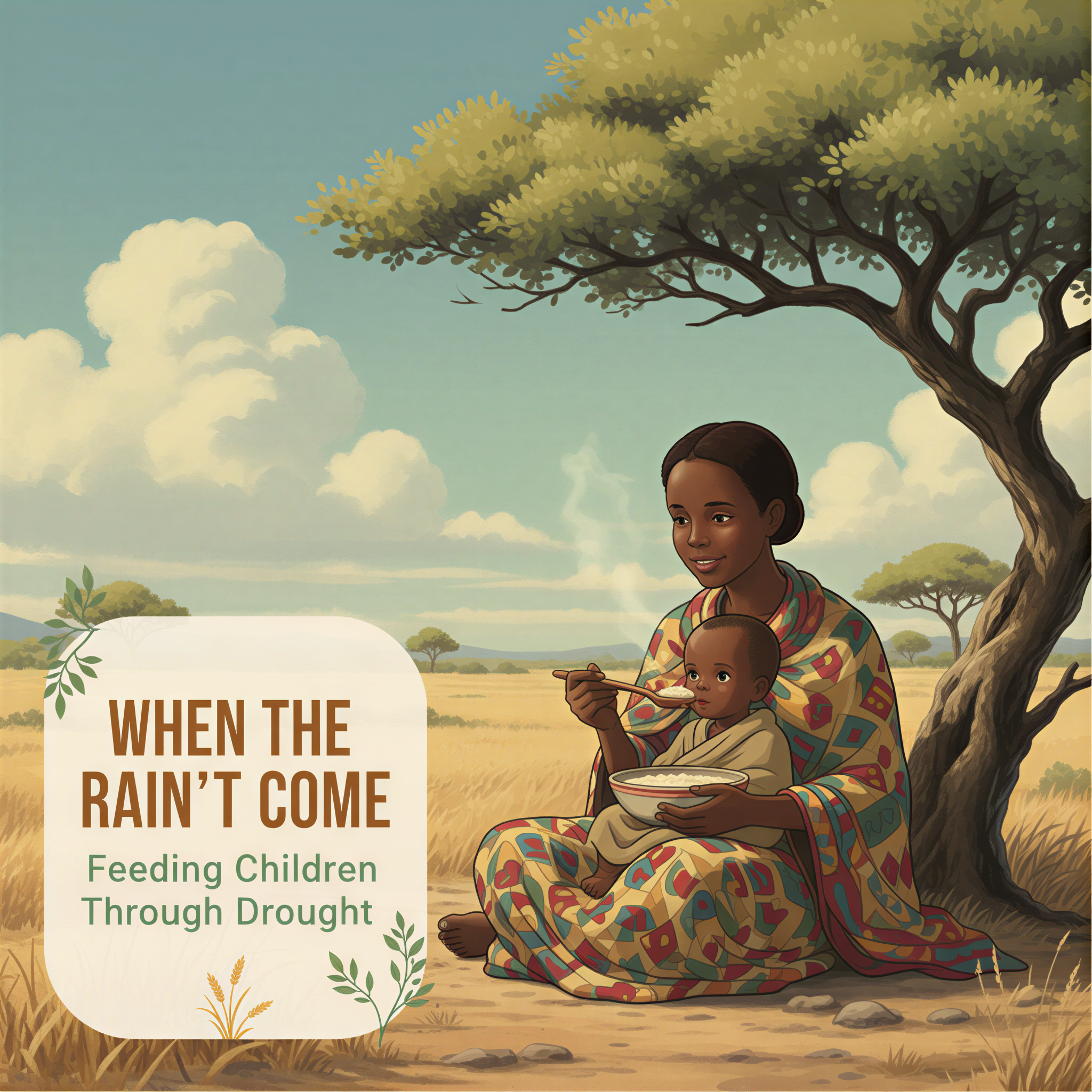
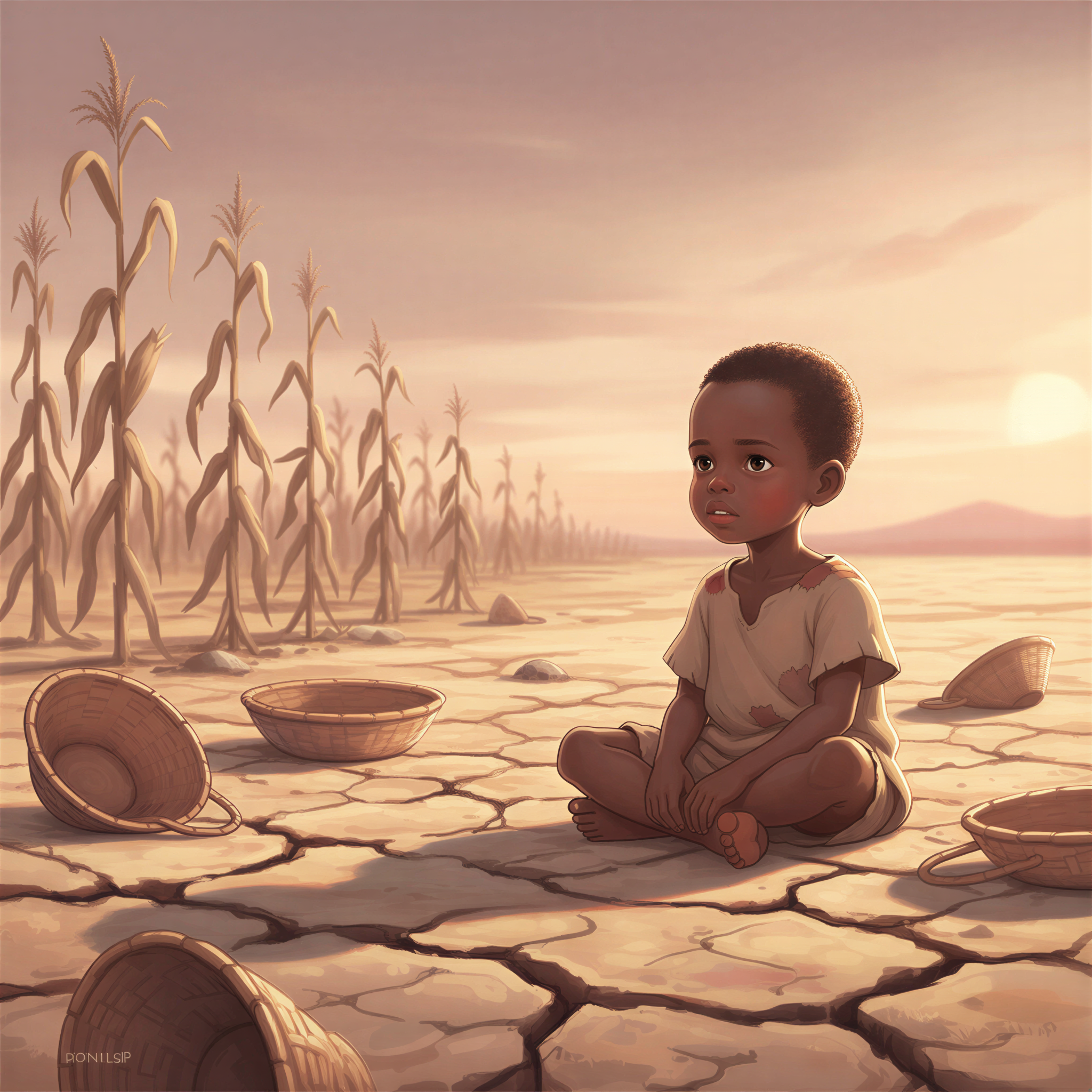
The wells are dry.
The goats are gone. The crops have withered. The market prices have doubled. And still, your children need to eat.
This is the reality for millions of Kenyan families in ASAL regions when the rains don't come. Not just once a generation, but increasingly often. Drought has become the new normal.
But drought doesn't have to mean malnutrition. With the right strategies, families can protect their children's nutrition even when everything else is scarce.
Here's how.
Table of Contents
- Understanding the Nutrition Crisis
- Priority Foods During Drought
- Stretching Limited Resources
- Protecting Breastfeeding
- Water and Hygiene
- When to Seek Help
- Community Strategies
- The Long View
- Resources During Drought
Understanding the Nutrition Crisis
Drought creates a perfect storm against child nutrition:
Food scarcity. Crops fail. Livestock die. Wild foods disappear. What remains costs more than families can afford.
Water scarcity. Without water, hygiene suffers. Diarrhea increases. What little nutrition children get, they lose.
Economic collapse. When livestock—the savings account of pastoralists—dies, families have nothing to sell. Nothing to trade. Nothing to fall back on.
Care burden. When mothers travel farther for water and food, children get less attention. Less frequent feeding. Less supervision.
The result: malnutrition rates that can triple within months.
But families who understand these dynamics can fight back.
Priority Foods During Drought
When resources are limited, every shilling matters. Focus on these priorities:
1. Protect protein first
Children need protein for growth and immune function. When protein is scarce, growth stops and infections take hold.
Best drought-resilient protein sources:
- Dried beans, lentils, cowpeas (store for months)
- Dried fish (omena, dagaa)
- Groundnuts
- Eggs (if you can keep chickens alive)
- Milk powder (if available through relief)
2. Don't abandon diversity
When money is tight, families default to filling foods—just ugali, just porridge. But hidden hunger from missing micronutrients is as dangerous as visible wasting.
Even in drought, add:
- Dark leafy greens (often the last plants to survive)
- Orange-fleshed sweet potatoes (more drought-tolerant than many crops)
- Wild fruits when available
- Anything with color
3. Fat matters
Children's growing brains need fat. A small amount of cooking oil in porridge dramatically increases calorie density.
4. Choose drought-resistant staples
Sorghum and millet survive drought better than maize. They're also more nutritious. If you're planting or buying, prefer these.

Stretching Limited Resources
When food is scarce, waste nothing.
Make porridge thick, not thin
Thin porridge fills stomachs with water, not calories. Every cup of flour should deliver maximum nutrition. If your porridge runs off the spoon, it's too thin.
Add nutrient boosters
A spoonful of groundnut paste or a sprinkle of omena powder transforms plain porridge into a complete meal. Small additions, big impact.
Feed children first
In crisis, the instinct is to share equally. But children under 5 need more nutrition per kilogram of body weight than adults. Prioritize them.
More frequent, smaller meals
Young children have small stomachs. Three big meals may waste food. Five smaller meals ensures they can eat everything offered.
Prepare fresh
Without refrigeration, cooked food spoils quickly. In drought conditions with compromised water, food poisoning risks increase. Prepare only what will be eaten immediately.

Protecting Breastfeeding
Here's a truth that saves lives: A mother can produce breast milk even when she herself is not eating enough.
The body prioritizes milk production. A moderately malnourished mother will still make nutritious milk—her body will draw from her own reserves.
What this means:
Keep breastfeeding. Don't stop because you think your milk isn't enough. Your milk is the safest, most reliable food source your baby has.
Breastfeed more frequently. More suckling stimulates more production. Drought is not the time to reduce breastfeeding.
Protect the mother. Whatever food is available, ensure breastfeeding mothers get their share. Her nutrition directly affects the baby.
Don't substitute with water. In drought, water sources may be contaminated. Breast milk is both food AND safe hydration.
Avoid animal milk for infants under 6 months. If animals are dying and milk is scarce, whatever remains may be contaminated or diluted with unsafe water.
The breast is the one reliable food source that drought cannot dry up.

Water and Hygiene
Malnutrition and diarrhea form a vicious cycle. Diarrhea drains nutrients. Malnutrition weakens defenses against infection. In drought, when water is scarce and quality is poor, this cycle intensifies.
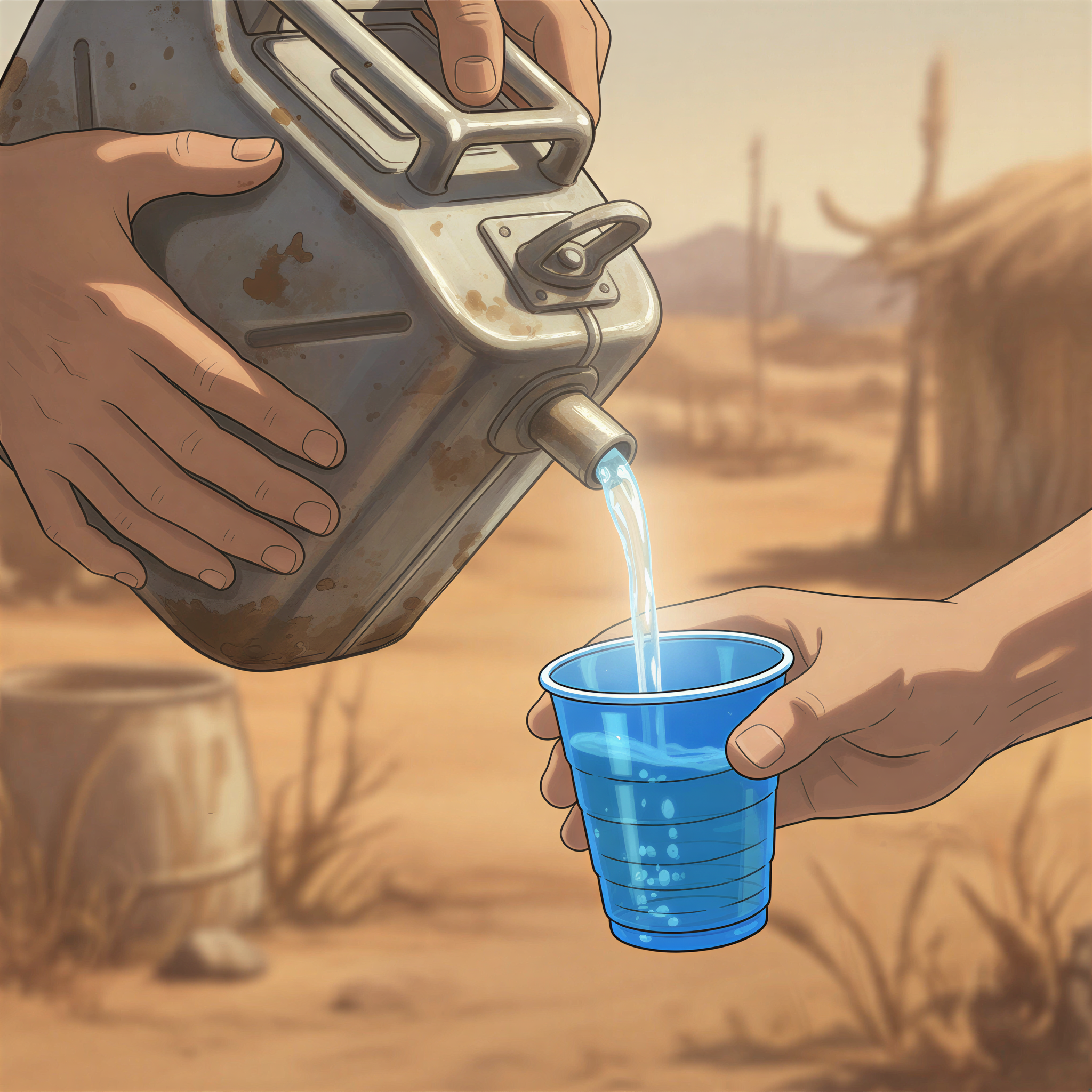
Treat all drinking water
Boiling is safest. If fuel is scarce:
- Use water purification tablets if available
- Solar disinfection (SODIS)—clear bottles in direct sunlight for 6+ hours
- Chlorine drops from health facilities
Wash hands at critical times
Water is precious. Use it strategically:
- Before preparing food
- Before feeding children
- After using the latrine
- After cleaning a child
Even a small amount of water with soap makes a difference.
Protect food from contamination
Cover stored food. Keep it away from flies and dust. In drought conditions, food safety becomes more important, not less.
Continue handwashing even when water is scarce
Use the minimum amount needed. A cup of water and soap is better than no washing at all.
When to Seek Help
Drought conditions require closer monitoring of children. Watch for:
MUAC in yellow or red zone
If you have a MUAC tape, check weekly during drought. Don't wait for monthly clinic visits.
Weight loss
Clothes fitting looser. Face looking thinner. Ribs becoming visible.
Behavior changes
Less energy. Less playfulness. More irritability. Unusual sleepiness.
Swelling
Edema in feet, legs, or face—especially if pressing leaves a pit.
Frequent illness
Diarrhea, respiratory infections, skin problems that won't heal.
Don't wait. During drought, what would be mild malnutrition in normal times can become severe malnutrition quickly.
Community Strategies
Families survive drought better together than alone.
Share information
Which water sources are still safe? Where is food available? What relief programs are operating? Information saves lives.
Pool resources
Shared cooking saves fuel. Bulk buying reduces costs. Communal childcare frees mothers to seek food and water.
Support lactating mothers
Communities that protect breastfeeding mothers protect an entire generation of infants. Ensure they eat even when others go hungry.
Identify vulnerable children early
Community health volunteers can screen all children quickly. The earlier malnutrition is caught, the easier it is to treat.
Connect with relief programs
Know where and when food distribution happens. Know which clinics provide therapeutic feeding. Have your child's health card ready.
Advocate for your community
Alert health workers and administrators when your area is struggling. Data from the ground triggers relief responses.
The Long View
Drought ends. Rains return. But the damage to a child's brain and body during the critical early years is permanent.
Stunting from early malnutrition cannot be reversed. Cognitive damage from nutrient deficiency persists into adulthood. The choices made during crisis shape generations.
This is why protecting child nutrition during drought isn't just about surviving until the rains come. It's about protecting Kenya's future.
Every thick bowl of porridge. Every continued breastfeed. Every trip to the clinic at the first sign of trouble. These small acts of protection compound into something larger.
You can't control the rains. But you can control how you respond when they don't come.
Resources During Drought
If your area is experiencing drought:
- Health facilities provide free screening and treatment for malnutrition
- IMAM programs (Integrated Management of Acute Malnutrition) treat severe cases in the community
- Relief food distribution through county government and humanitarian organizations
- Cash transfer programs for vulnerable families
- Water trucking in severely affected areas
Ask your local chief, community health volunteer, or nearest health facility about available support.
The rains will come again. Your job is to ensure your children are still healthy when they do.