Iron, Zinc, and Vitamin A: The Micronutrients Every Kenyan Child Needs
The child looks fine.
She's not visibly thin. She eats her porridge. She plays with her siblings. Her mother thinks everything is normal.
But something is happening inside her body. Her brain isn't developing properly. Her immune system is weakening. Her future is being quietly stolen.
This is hidden hunger—malnutrition you can't see. And three micronutrients are at the center of it: iron, zinc, and vitamin A.
In Kenya, over 60% of children under 5 suffer from at least one micronutrient deficiency. Most of their parents have no idea.
Let's change that.

Table of Contents
- Why These Three Matter Most
- Iron: The Brain Builder
- Zinc: The Growth Protector
- Vitamin A: The Immune Shield
- Local Foods That Deliver
- Getting the Most from Food
- Supplements: When and Why
- Age-Specific Priorities
- The Cost of Inaction
- What You Can Do Today
Why These Three Matter Most
Children need many nutrients. But iron, zinc, and vitamin A are called "priority micronutrients" because:
- Deficiency is extremely common in Kenya and across Africa
- The damage is severe and often permanent
- The solutions are available if families know what to do
These three work together. Iron deficiency weakens the immune system, making infections more likely. Infections deplete zinc stores. Vitamin A deficiency increases susceptibility to the infections that drain both iron and zinc.
Fix one, and you help the others. Miss all three, and a child spirals downward.
Iron: The Brain Builder
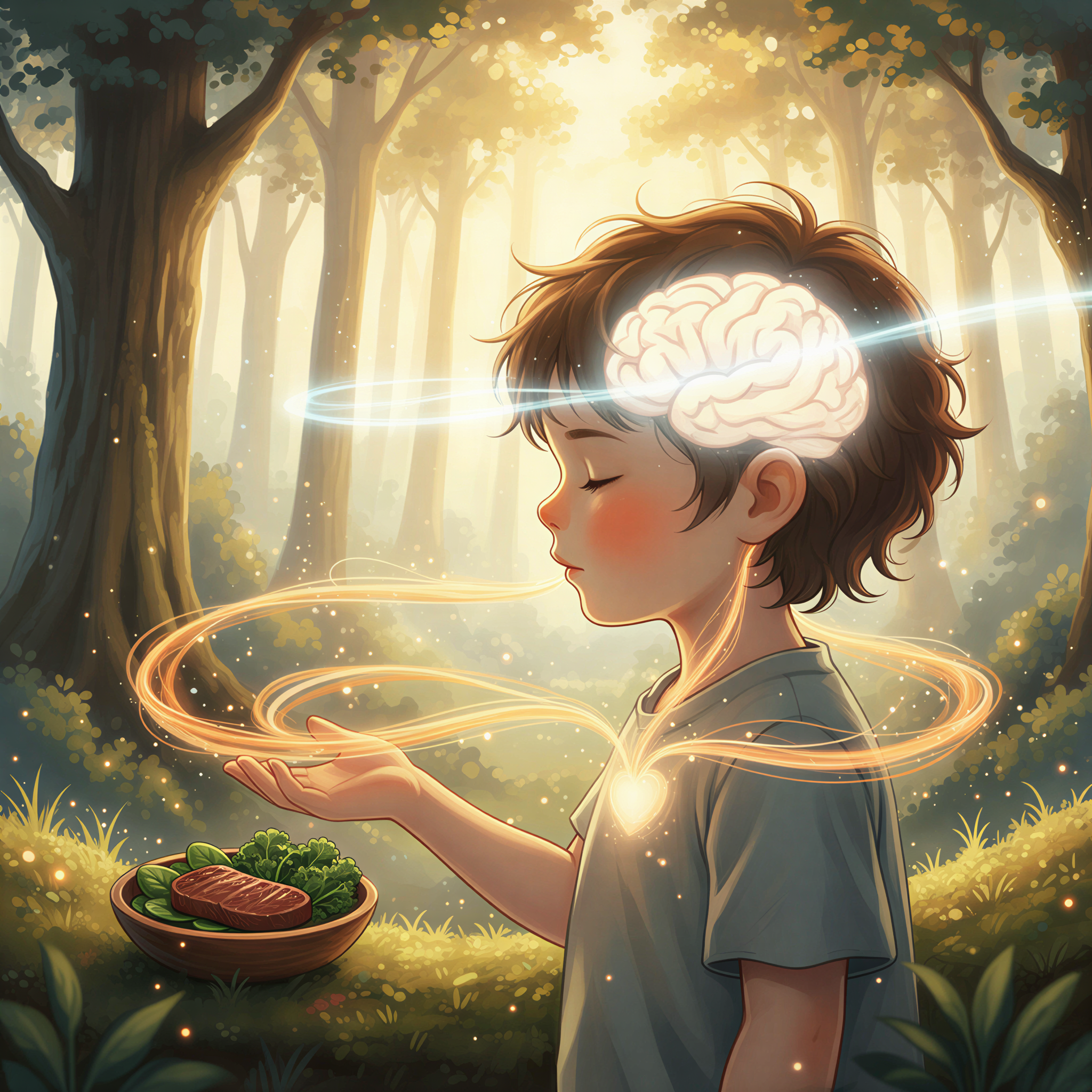
Iron does one critical job: it carries oxygen in the blood. Every cell in your child's body needs oxygen to function—especially brain cells.
What iron deficiency does:
- Damages brain development. Iron-deficient children score lower on cognitive tests—and this gap persists even after iron levels improve
- Causes fatigue and weakness. Less oxygen means less energy
- Weakens immunity. Iron-deficient children get sick more often and stay sick longer
- Impairs growth. The body prioritizes survival over growth when oxygen delivery is compromised
Signs to watch for:
- Pale palms, nail beds, and inner eyelids
- Unusual tiredness or weakness
- Poor appetite
- Frequent infections
- Slow growth
- Difficulty concentrating
Who's at highest risk:
- Babies 6-24 months (rapid growth depletes birth iron stores)
- Children with frequent infections, especially malaria
- Children eating mostly plant-based diets
- Children with intestinal worms
The scary truth: By the time anemia is visible, brain damage may already have occurred. Prevention is far better than treatment.
Zinc: The Growth Protector
Zinc is the growth mineral. It's needed for cell division, protein building, and wound healing. Without enough zinc, children simply don't grow.
What zinc deficiency does:
- Stunts growth. Zinc-deficient children are shorter than they should be
- Increases diarrhea. Both the risk of getting diarrhea and how long it lasts
- Slows wound healing. Cuts and scrapes that won't heal
- Weakens immunity. More infections, more severe infections
- Impairs appetite. Children don't want to eat—creating a vicious cycle
Signs to watch for:
- Slow growth or weight gain
- Frequent diarrhea
- Skin rashes or slow-healing wounds
- Hair loss
- Loss of appetite
- Frequent colds and infections
Who's at highest risk:
- Children eating mostly grains with little animal protein
- Children with chronic diarrhea
- Children recovering from illness
- Children in areas with zinc-poor soil (much of Kenya)
The connection to diarrhea: Diarrhea depletes zinc. Zinc deficiency causes more diarrhea. This cycle kills more than 50,000 Kenyan children every year.

Vitamin A: The Immune Shield
Vitamin A keeps mucous membranes healthy—the linings of the eyes, lungs, gut, and urinary tract. These linings are the body's first defense against infection.
What vitamin A deficiency does:
- Causes blindness. Vitamin A deficiency is the leading cause of preventable childhood blindness worldwide
- Increases mortality. Vitamin A-deficient children are 25% more likely to die from common illnesses
- Worsens infections. Measles, diarrhea, and respiratory infections are more severe
- Impairs growth. Like other micronutrients, vitamin A is essential for normal development
Signs to watch for:
- Night blindness (difficulty seeing in dim light)
- Dry, rough skin
- Dry eyes or frequent eye infections
- Frequent respiratory infections
- Slow recovery from illness
- Bitot's spots (white patches on the eye)—this is advanced deficiency
Who's at highest risk:
- Children who don't eat orange/yellow fruits and vegetables
- Children who don't eat eggs, liver, or dairy
- Children with frequent infections, especially measles
- Children with fat malabsorption conditions
The measles connection: Measles severely depletes vitamin A. Vitamin A deficiency makes measles more deadly. Every child with measles should receive vitamin A supplementation.
Local Foods That Deliver
The good news: Kenya has abundant foods that provide these micronutrients. The key is knowing which ones—and making sure children eat them.
Iron-Rich Foods
| Food | Serving | Notes |
|---|---|---|
| Liver (beef, chicken) | Small piece | Best iron source—heme iron absorbs well |
| Omena/dagaa | 2 tablespoons | Affordable, available everywhere |
| Beef, goat meat | Small portion | Heme iron + helps absorb plant iron |
| Dark leafy greens (sukuma, spinach) | 1 cup cooked | Add vitamin C to boost absorption |
| Beans, lentils | 1/2 cup | Good source, but needs vitamin C |
| Fortified flour | In ugali, chapati | Check package for fortification seal |
Zinc-Rich Foods
| Food | Serving | Notes |
|---|---|---|
| Meat (beef, goat, chicken) | Small portion | Best absorbed zinc source |
| Liver | Small piece | Very high in zinc |
| Eggs | 1 egg | Affordable, zinc well-absorbed |
| Omena | 2 tablespoons | Good zinc source |
| Beans, lentils | 1/2 cup | Moderate zinc, soaking improves absorption |
| Groundnuts | Small handful | Zinc + healthy fats |
Vitamin A-Rich Foods
| Food | Serving | Notes |
|---|---|---|
| Liver | Small piece | Extremely high—once per week is enough |
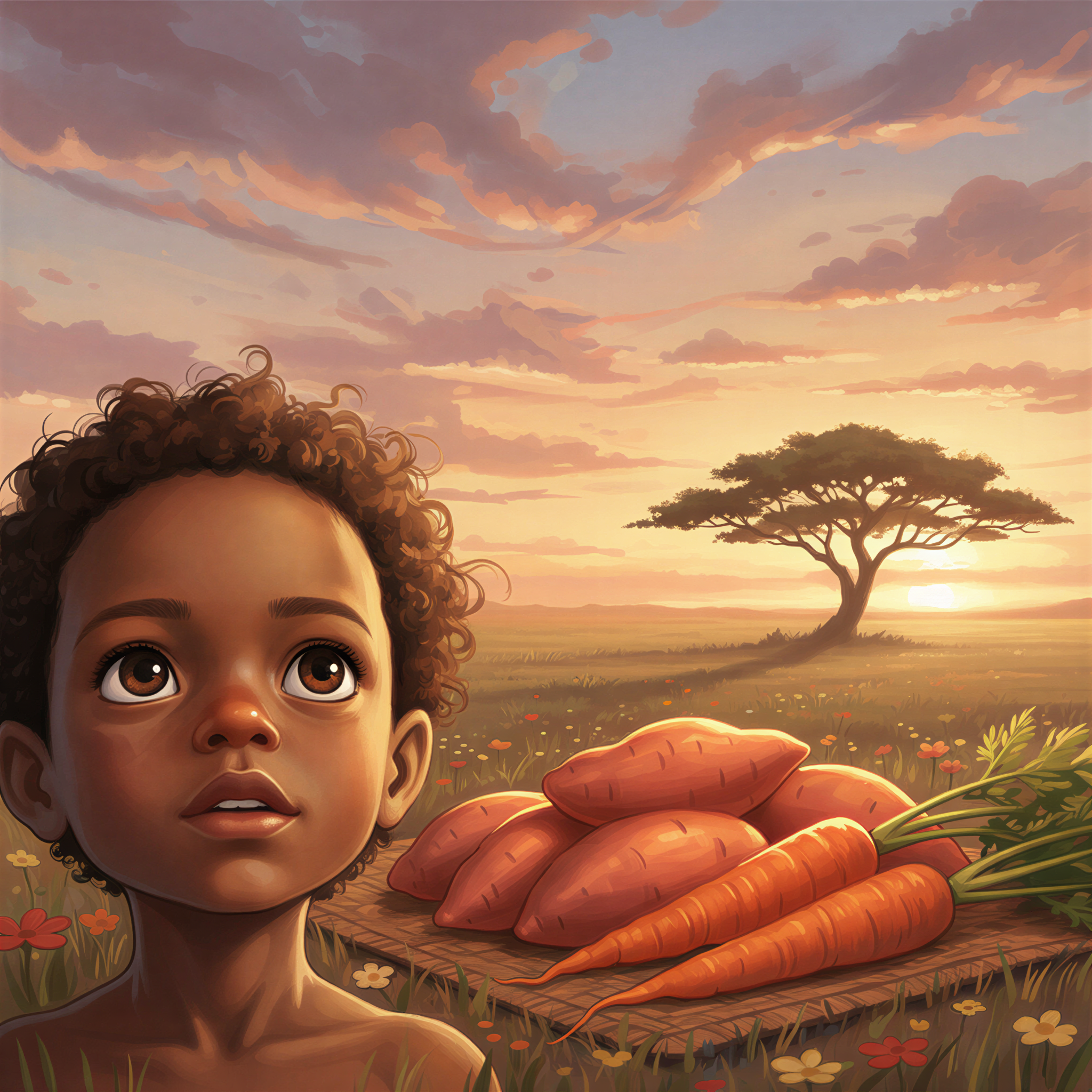
| Orange-fleshed sweet potato | 1/2 cup | Excellent source, cheap, easy to grow |
| Carrots | 1/2 cup | Very high in beta-carotene |
| Mango | 1/2 fruit | Seasonal but excellent |
| Pawpaw | 1/2 cup | Available year-round in many areas |
| Dark leafy greens | 1 cup cooked | Moderate vitamin A |
| Eggs | 1 egg | Good vitamin A in yolk |
The Power Combination
For traditional Kenyan foods that deliver multiple micronutrients:
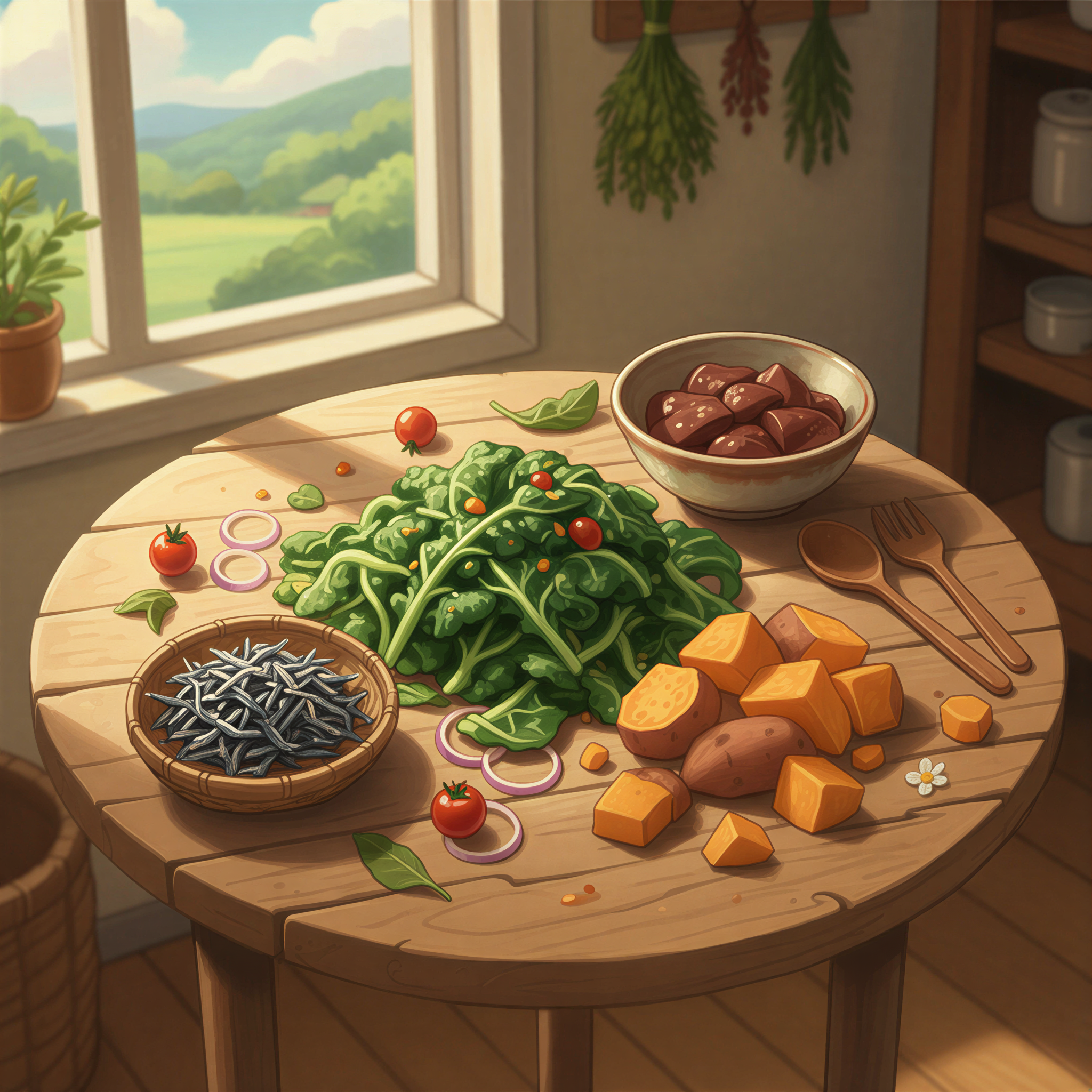
- Liver = iron + zinc + vitamin A (the most nutrient-dense food available)
- Eggs = iron + zinc + vitamin A (affordable and available)
- Omena = iron + zinc (cheap protein that's micronutrient-rich)
- Orange-fleshed sweet potato + beans = vitamin A + iron + zinc
Getting the Most from Food
It's not just what you eat—it's how you eat it.
Boost iron absorption:
- Add vitamin C (tomatoes, citrus, mango) to meals with iron
- Include a small amount of meat with plant foods
- Avoid tea with meals (tannins block iron absorption)
- Soak beans before cooking
Boost zinc absorption:
- Soak beans and grains overnight
- Ferment when possible (traditional fermented porridge absorbs better)
- Include animal proteins
- Sprout seeds and grains
Maximize vitamin A:
- Vitamin A needs fat to absorb—add oil to vegetables
- Cook carrots and sweet potatoes (releases more beta-carotene)
- Don't overcook—gentle cooking preserves nutrients
What blocks absorption:
- Phytates in unsoaked grains and legumes
- Tannins in tea and coffee
- High-fiber foods eaten in excess
- Certain medications
Supplements: When and Why
Food should be the first source of micronutrients. But sometimes supplements are necessary.
Vitamin A Supplementation
The Ministry of Health provides free vitamin A supplements for children 6-59 months twice yearly. This is critical:
- One high-dose capsule protects for 6 months
- Given at health facilities and during campaigns
- Reduces mortality from common childhood illnesses by 24%
Don't skip these. Even if your child eats well, twice-yearly supplementation provides insurance.
Iron Supplementation
Iron supplements are prescribed for:
- Children with confirmed anemia
- Low birth weight babies (from 2 months)
- Areas with high malaria prevalence (given with malaria prevention)
Don't self-prescribe iron. Too much iron can be harmful. Get tested first.
Zinc Supplementation
Zinc is essential for diarrhea treatment:
- 10-20mg daily for 10-14 days during and after diarrhea
- Reduces diarrhea duration by 25%
- Reduces likelihood of future diarrhea episodes
Health facilities should provide zinc with ORS for any child with diarrhea.
Micronutrient Powders (MNPs)
These small sachets of mixed vitamins and minerals can be sprinkled on food:
- Often distributed through health programs
- Easy to use—just mix into soft food
- Provide iron, zinc, vitamin A, and other nutrients
If offered in your area, use them as directed.
Age-Specific Priorities
6-12 Months
This is when iron stores from birth run out. Complementary foods MUST provide iron.
- Introduce meat, liver, or omena early
- Egg yolk is excellent
- Mashed beans with vitamin C
- Orange-fleshed sweet potato
12-24 Months
Rapid brain development continues. All three micronutrients are critical.
- Diverse diet with daily animal foods if possible
- Continue breastfeeding (provides some iron and vitamin A)
- Don't rely on milk alone—it's low in iron and zinc
2-5 Years
Growth continues, infections are common. Maintain micronutrient status.
- Regular meals with variety
- Don't let sweets replace nutritious foods
- Watch for signs of deficiency
The Cost of Inaction
What happens when these deficiencies go unaddressed?
Iron deficiency: 5-7 IQ points lost. Forever. Multiply this across millions of Kenyan children, and you begin to understand the economic impact.
Zinc deficiency: 800,000 child deaths globally each year. Many of these deaths happen in Kenya, from diarrhea that zinc could have prevented.
Vitamin A deficiency: 250,000-500,000 children go blind annually. Half die within a year of losing their sight.
These aren't just statistics. They're children who could have been scientists, teachers, leaders. Their potential, stolen by deficiencies that cost pennies to prevent.
What You Can Do Today
- Add one micronutrient-rich food to your child's diet this week
- Make sure your child gets vitamin A supplementation twice yearly
- Include vitamin C with meals to boost iron absorption
- Soak beans and grains before cooking
- Know the signs of deficiency and act early
- Ask at the clinic about your child's micronutrient status
The invisible enemy of hidden hunger can be defeated. But only if we see it for what it is—and fight it with every meal.