Breaking the Cycle of Malnutrition in ASAL Communitie
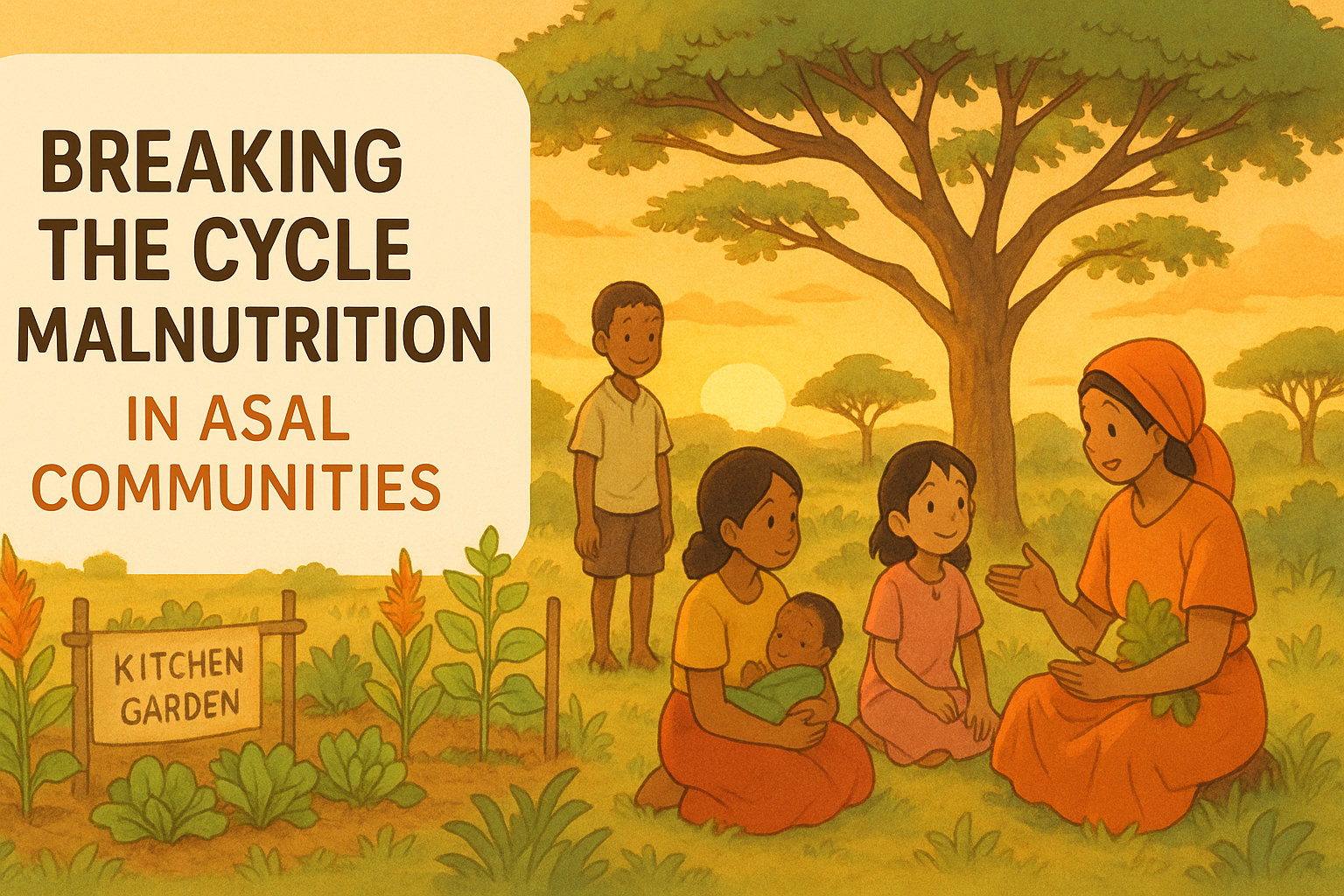
Across Kenya’s Arid and Semi-Arid Lands (ASAL)—counties like Turkana, Marsabit, and Garissa—malnutrition isn’t just a statistic. It’s a daily reality for families battling drought, food insecurity, and fragile health systems. Yet, within these challenges lie powerful stories of resilience and innovation.
Table of Contents
- The Crisis: More Than Empty Stomachs
- Local Solutions Taking Root
- Stories of Change
- Breaking the Cycle for Good
The Crisis: More Than Empty Stomachs
When we talk about malnutrition in ASAL communities, it’s not just about hunger. It’s about:
- Stunting: Children under five whose growth is permanently impaired.
- Wasting: Acute undernutrition caused by prolonged food shortages.
- Micronutrient Deficiencies: “Hidden hunger” that weakens immunity and learning capacity.
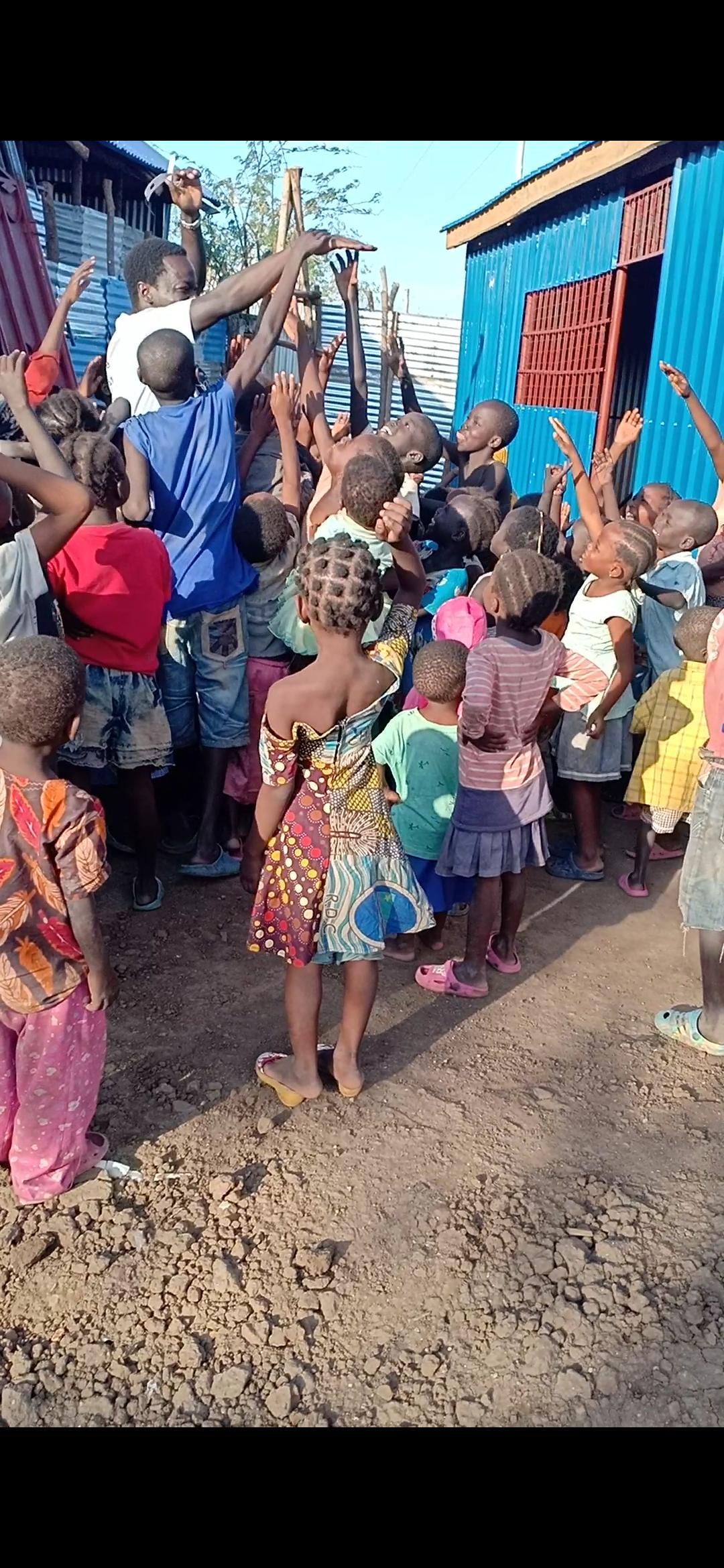
According to recent health surveys, nearly 1 in 3 children in ASAL regions are stunted. This affects not just their bodies but their futures—lower school performance, reduced income potential, and higher risk of chronic disease.
Local Solutions Taking Root
Despite the harsh conditions, communities are finding ways to fight back:
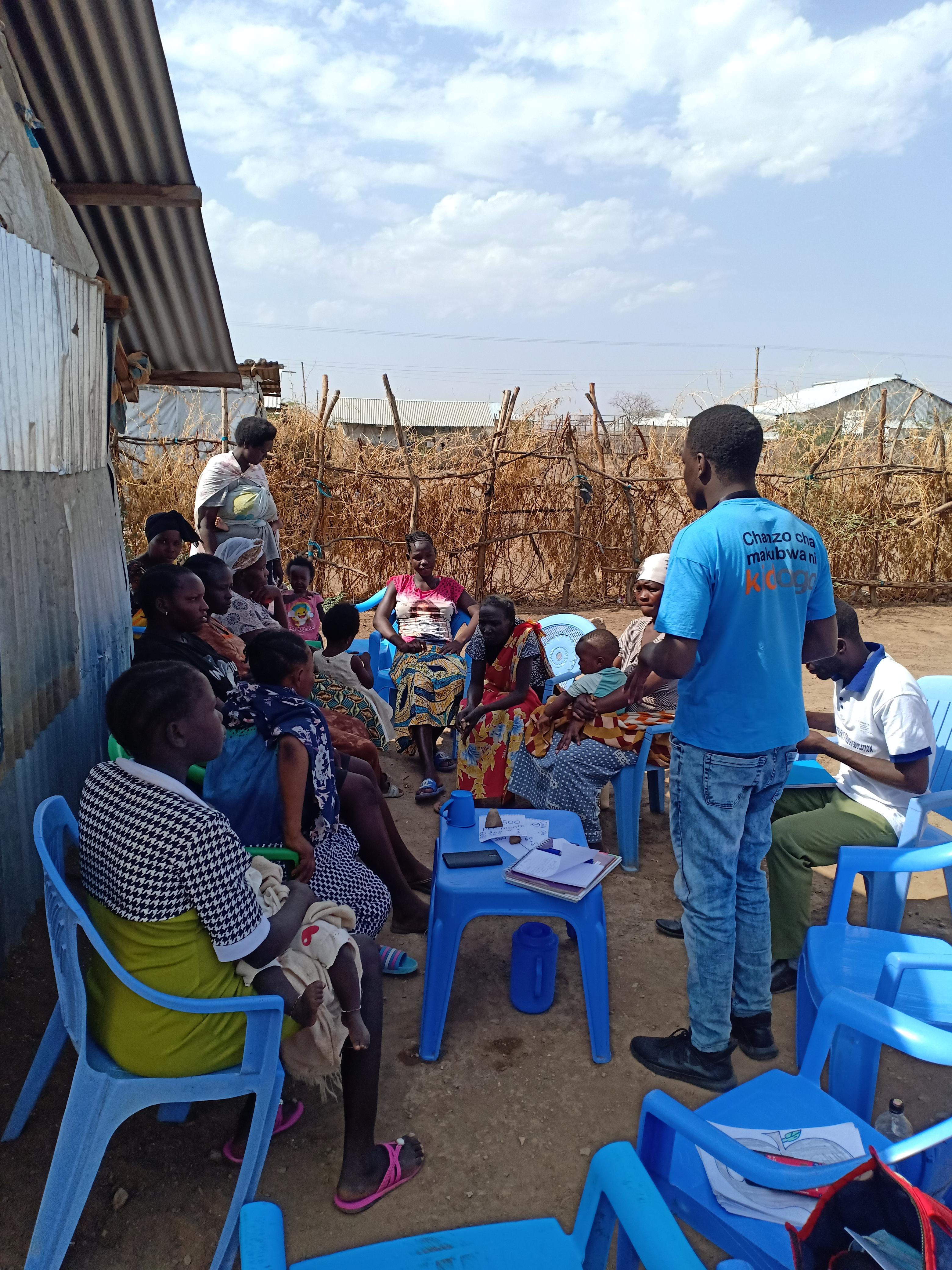
- Community Health Promoters (CHPs): In villages, CHPs conduct home visits to monitor child growth and counsel mothers on feeding practices.
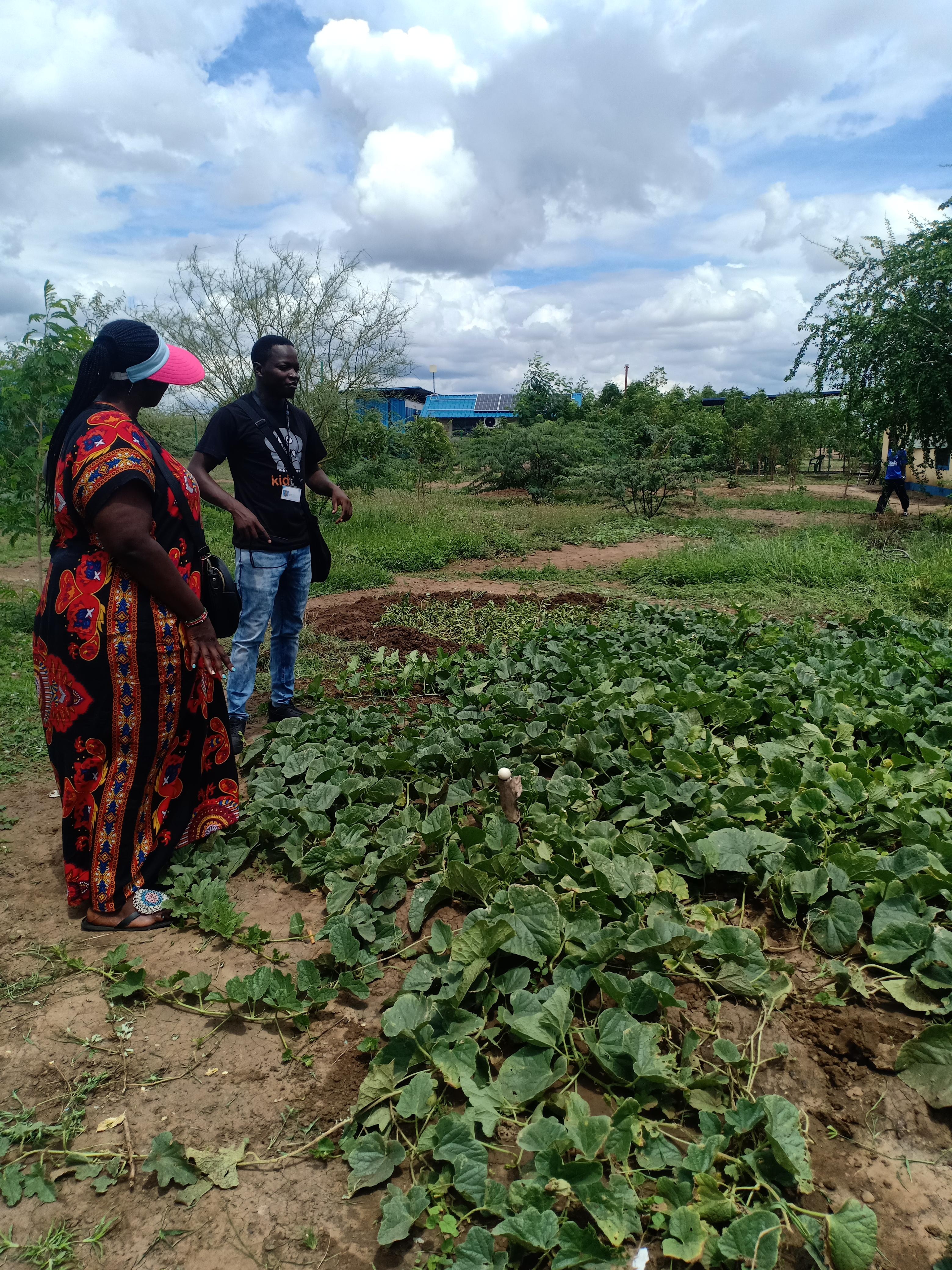
- Kitchen Gardens: Small but powerful—families are growing nutrient-rich crops like sukuma wiki, amaranth, and cowpeas, even in semi-arid soil, often with water-saving techniques.
- Milk and Livestock: In pastoralist communities, goat’s milk and camel milk are lifelines, supplying critical protein and fat for young children.
- Fortified Porridge: Partnerships are encouraging the use of locally available ingredients—sorghum, millet, simsim—fortified with milk to boost energy and micronutrients.
Stories of Change
In Turkana, mothers gather under an acacia tree for nutrition counseling. They swap recipes for porridge that combine traditional grains with affordable protein sources. Water access in Turkana remains critical to these efforts. In Marsabit, youth groups are building sand dams that make year-round farming possible, turning dry land into small oases of green. Sanitation improvements work hand-in-hand with nutrition programs.
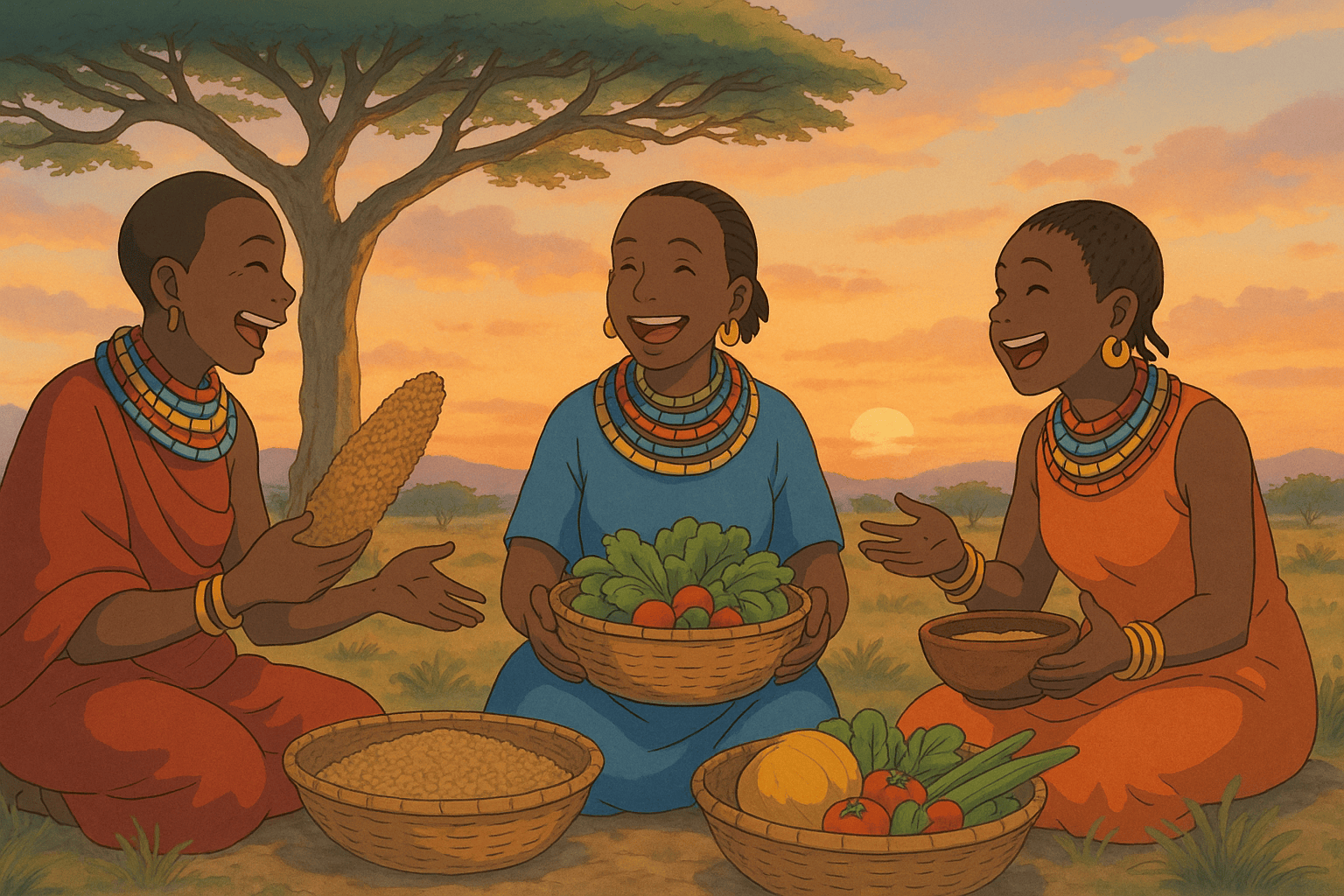
These aren’t abstract solutions—they’re community-driven strategies rooted in culture and resilience.
Breaking the Cycle for Good
Ending malnutrition in ASAL counties requires a multi-pronged approach:
- Policy Support: Sustained government and NGO investment in maternal and child health.
- Community Ownership: Solutions must respect and build on cultural practices.
- Education: Families empowered with knowledge make better nutrition choices.
- Resilience Building: Climate-smart agriculture and water solutions protect against recurring droughts.
Malnutrition in ASAL communities is not inevitable—it’s solvable. And when we invest in children’s first years, we’re not just feeding them for today. We’re nourishing Kenya’s future.