Water in Turkana: Lifelines in a Harsh Land
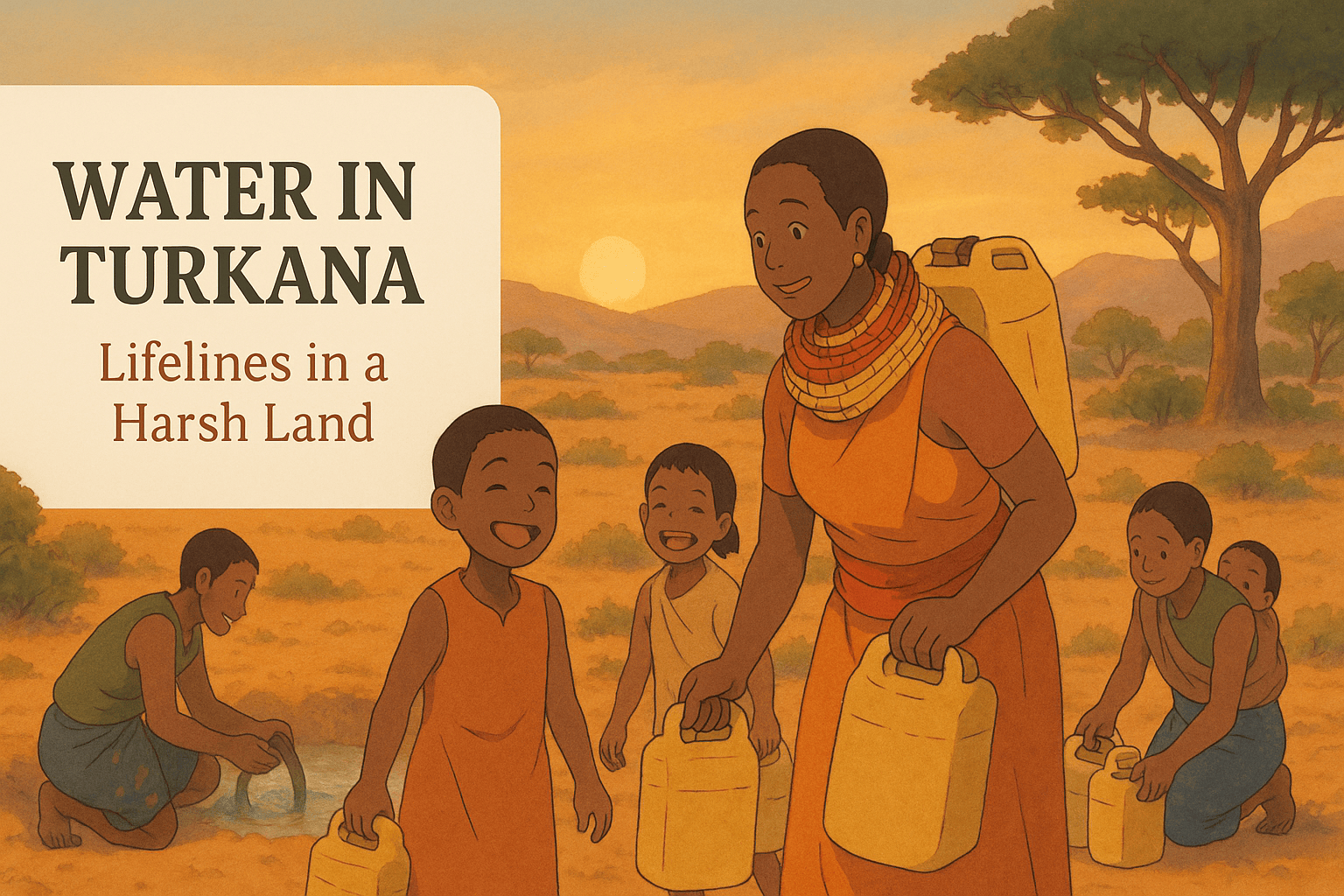
In Turkana, water is more than a daily need - it’s a matter of survival. The dry riverbeds, scattered boreholes, and improvised tanks tell a story of resilience in one of Kenya’s harshest environments. When I joined the Kidogo team in Kakuma Refugee Camp, I saw firsthand how families, schools, and communities innovate around scarcity.
Table of Contents
- A Drop at a Time — School Handwashing Stations
- Innovation in Refugee Camps
- Community Efforts and Partnerships
- The Fragile Riverbeds
- Breaking the Cycle
A Drop at a Time — School Handwashing Stations
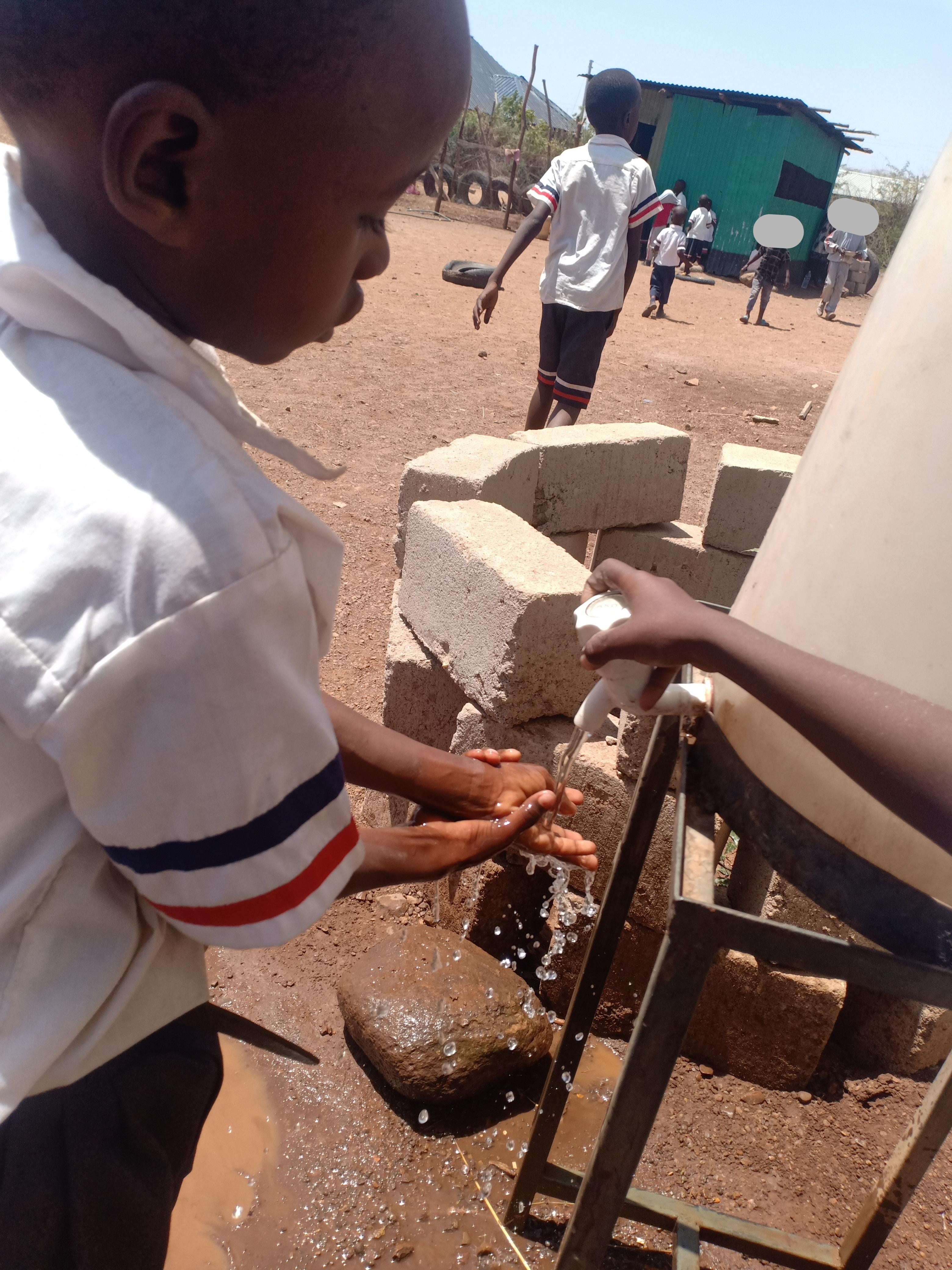
In a dusty schoolyard, children line up to wash their hands at a simple water station. A boy carefully cups his hands as clear droplets splash into the dirt. For him and his classmates, this isn’t just hygiene - it’s protection against waterborne diseases that thrive in fragile environments.
Handwashing campaigns here are a reminder that health interventions don’t always require high-tech solutions; they require steady access to clean water and consistent community education.
Innovation in Refugee Camps
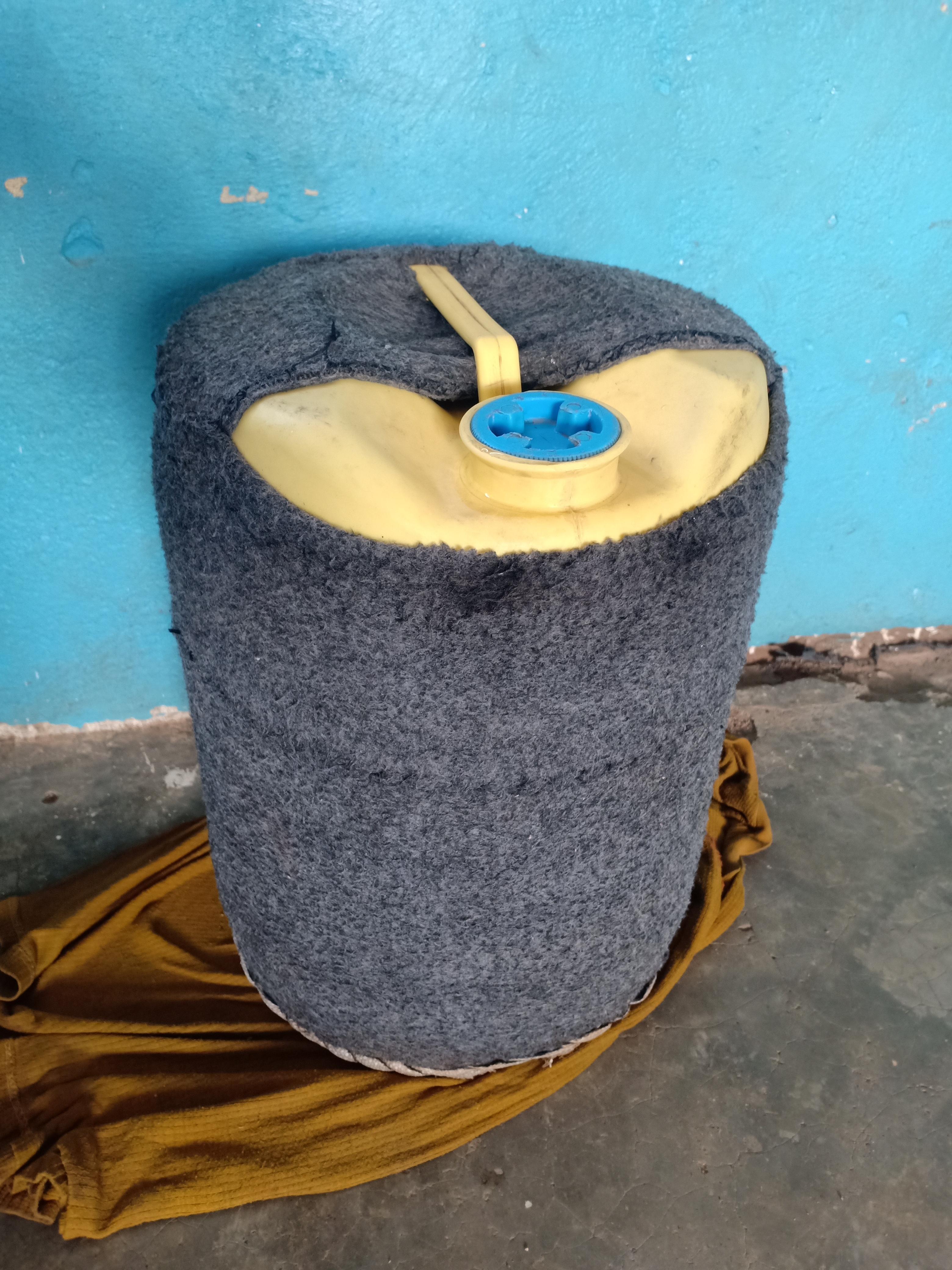
Inside the refugee camp, families adapt with creativity. A jerrycan wrapped in cloth becomes a cooler to store water. Volunteers distribute barrels fitted with taps to schools like, ensuring children can drink safely between classes.
These grassroots solutions are small, but their impact is massive: fewer sick days, healthier children, stronger learning outcomes.
Community Efforts and Partnerships
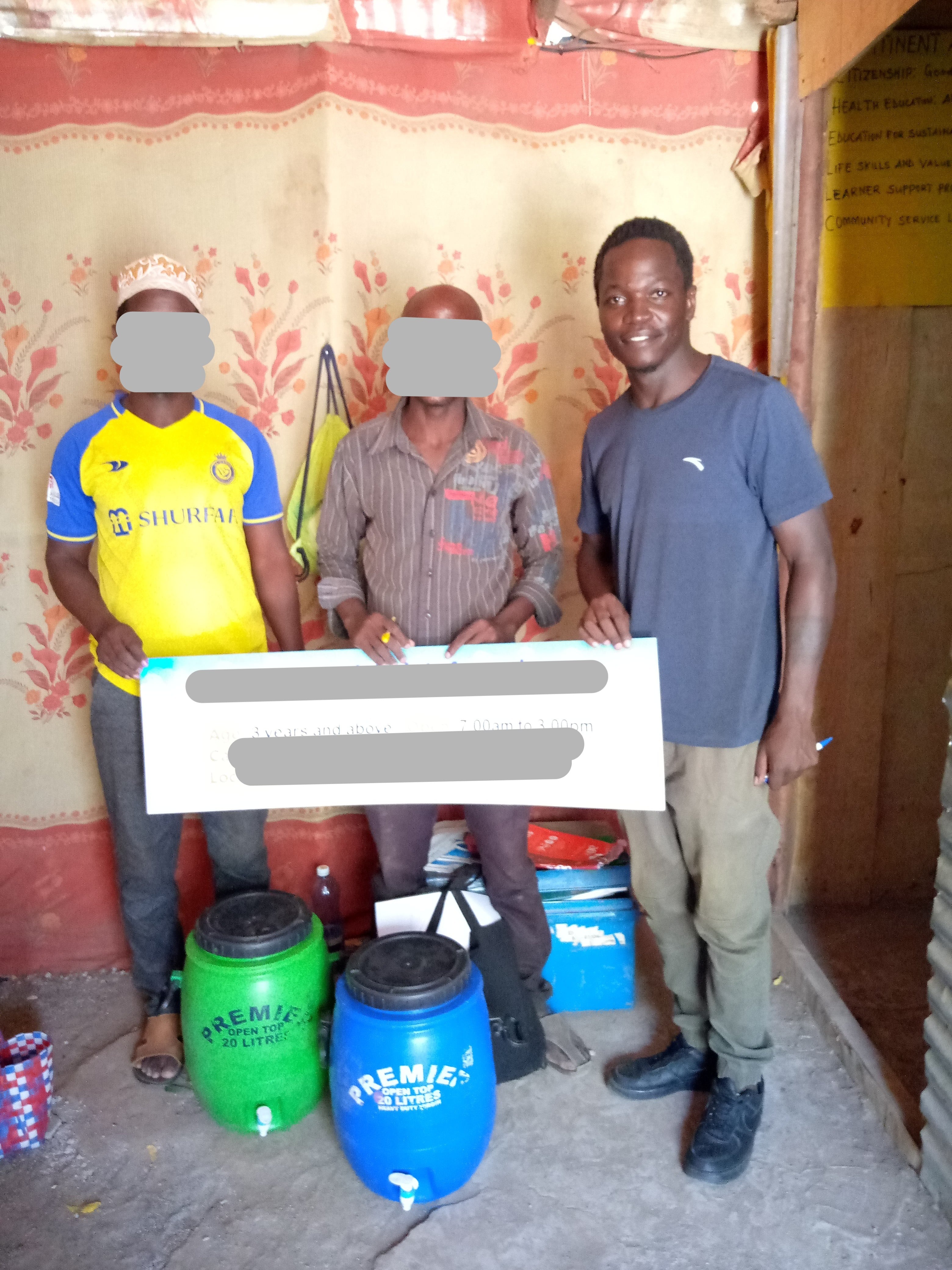
With Kidogo and local partners, we delivered water storage barrels to schools and trained teachers in proper sanitation practices. It wasn’t just about equipment - it was about building ownership. Teachers proudly explained to students why every drop matters.
At the same time, local masons worked on stone-lined pits to improve waste management, reducing contamination risks near water sources.
The Fragile Riverbeds
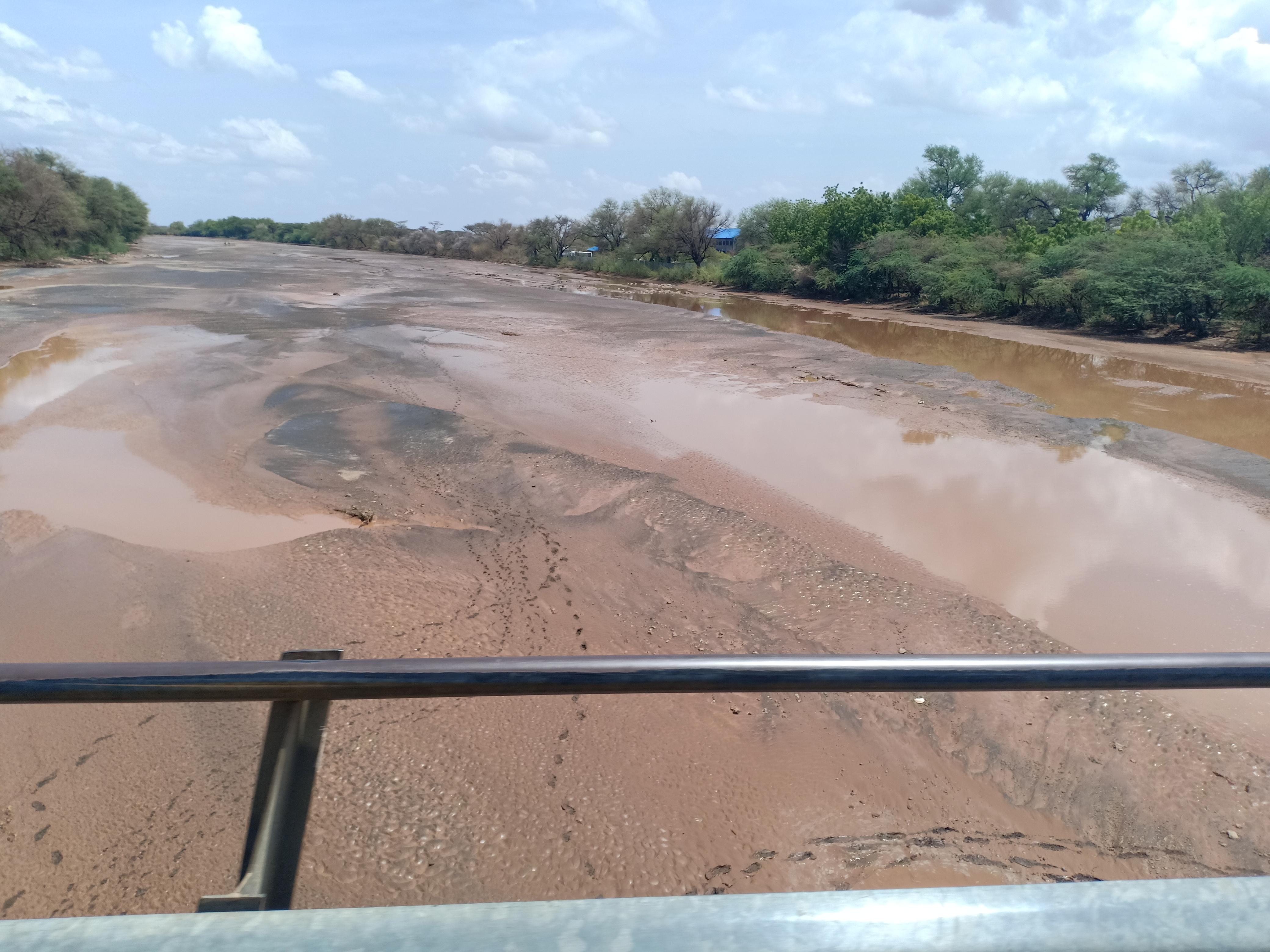
Beyond the camp, the Turkana landscape tells a stark story. Rivers swell during short rains, then vanish into cracked beds for months. Families trek long distances, often relying on unsafe water during the dry spells. Climate change has made these cycles more extreme, stretching already limited coping mechanisms.
Breaking the Cycle
Access to safe water underpins everything—nutrition, health, dignity. It connects directly to our work on sanitation in Turkana and breaking the cycle of malnutrition. Without it:
- Mothers cannot cook balanced meals.
- Children fall sick from preventable diarrheal diseases.
- Schools lose learning time.
With it:
- Communities thrive.
- Refugee camps stabilize.
- Children gain a chance at healthy futures.