Beyond Calories: Hidden Hunger in Kenya
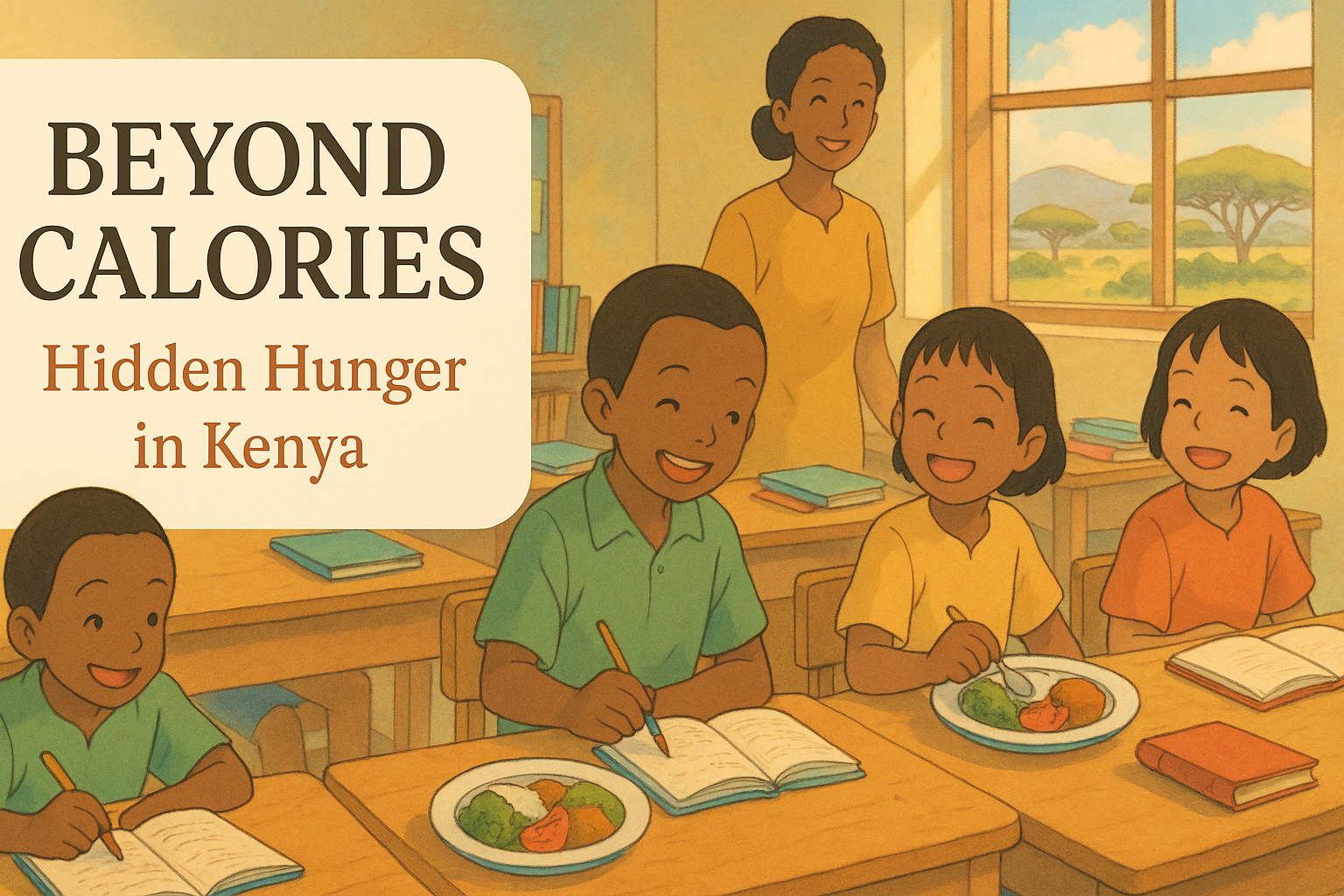
It doesn’t always look like hunger.
Not the kind that makes headlines or haunts aid posters.
Sometimes it looks like a child who eats every day but still grows slowly.
A girl whose hair has lost its shine.
A boy who yawns through class, not from laziness but from a body quietly starving for what rice and tea can’t give.
In a small school in Turkana, a teacher notices it first. The children are there, bright and present — but something in their energy feels dimmed. They eat, yes, but their meals are hollow of what matters most.
Table of Contents
- The Hunger You Can’t See
- Why It Persists
- Small Fixes, Big Shifts
- A Different Kind of Full
- The Meal That Changes Everything
The Hunger You Can’t See
Kenya’s silent crisis isn’t about empty plates. It’s about empty nutrients.
Maize, beans, tea, and ugali — the backbone of the Kenyan diet — fill bellies but not bodies.
A child can eat three times a day and still lack iron to build blood, vitamin A to protect eyesight, or zinc to grow strong bones. The body survives, but it doesn’t thrive.
Hidden hunger is quiet, slow, and cruel. It doesn’t shout — it lingers.
You don’t see it until a doctor mentions anemia, or until a child’s grades begin to slip, or until infections keep coming back no matter how much porridge you feed them.
Why It Persists
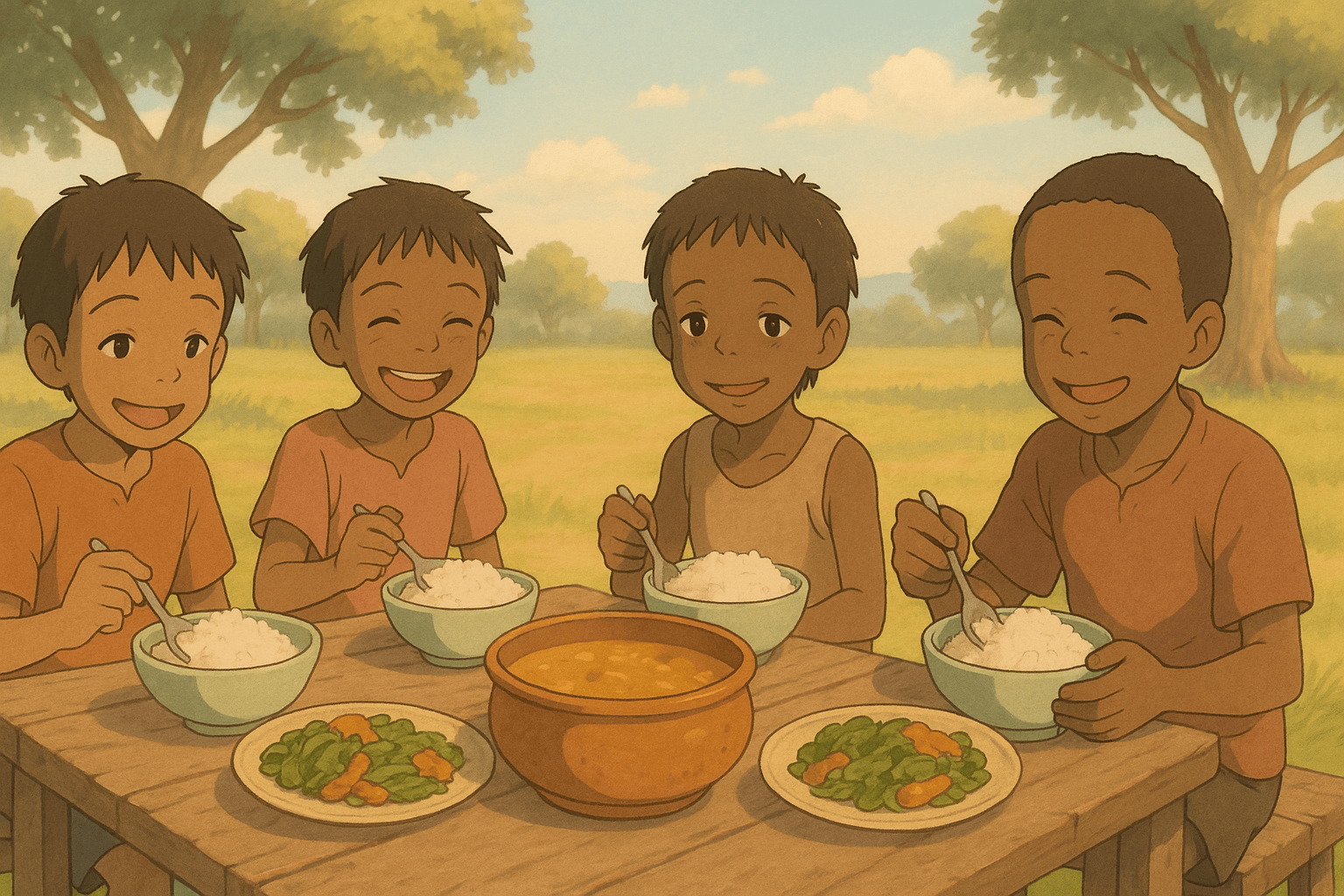
In Lodwar, a mother will tell you: “We eat every day. God provides.”
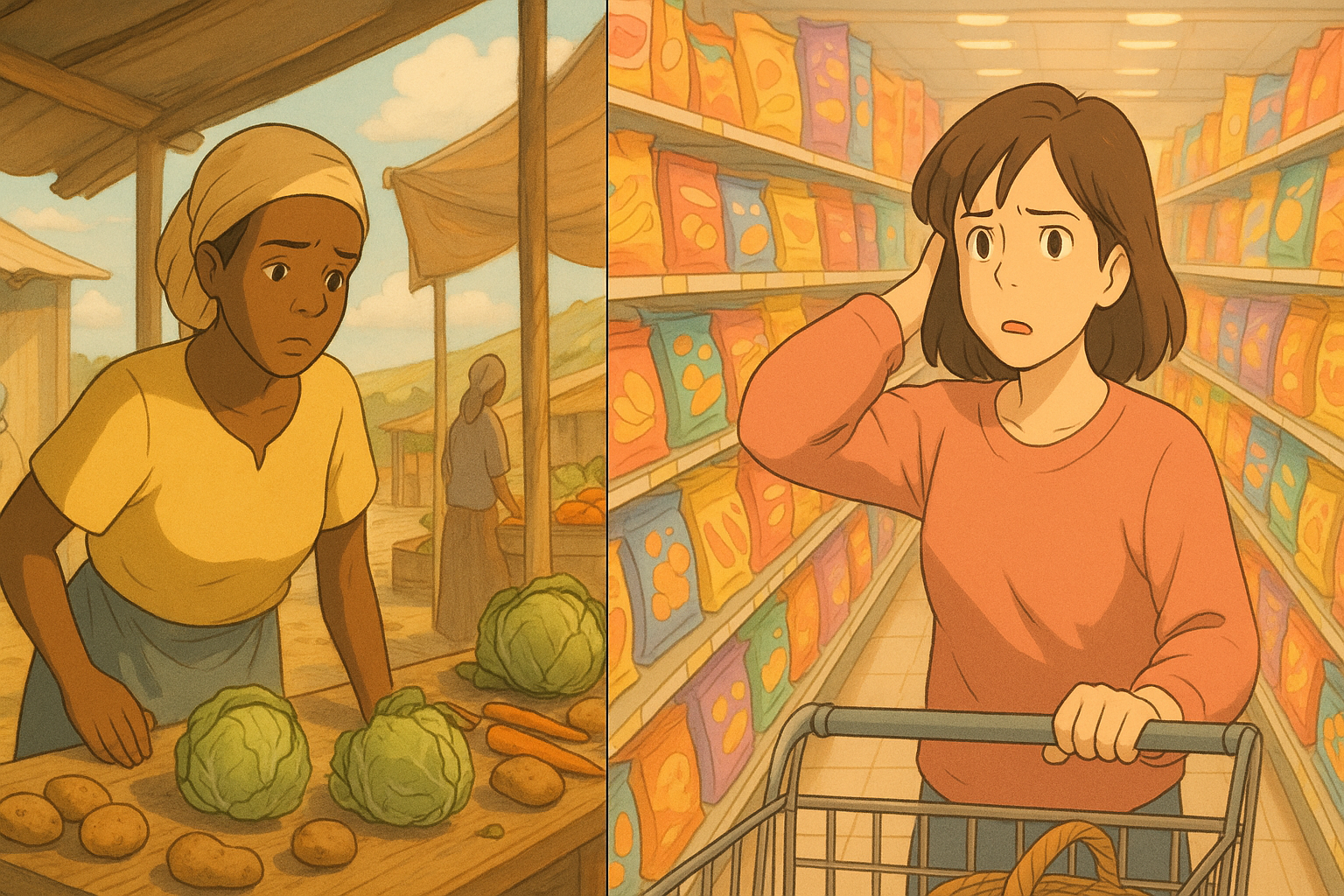
And she’s right. But what God provides, the market often limits.
Vegetables wilt before they reach her village. Milk is scarce. The riverbeds are dry.
In Nairobi, a different mother walks into a supermarket, surrounded by “fortified” snacks and colorful cereals. She wants to buy smart — but how do you tell what’s truly nutritious from what’s just well-marketed?
One mother fights scarcity.
The other fights confusion.
Both fight hidden hunger.
Small Fixes, Big Shifts
The answer isn’t in expensive superfoods. It’s in small, powerful adjustments.
- Mixing beans and maize for a more balanced protein.
- Adding sukuma or pumpkin leaves to the pot.
- Choosing sweet potatoes over white bread.
- Using iodized salt, just a pinch at a time.
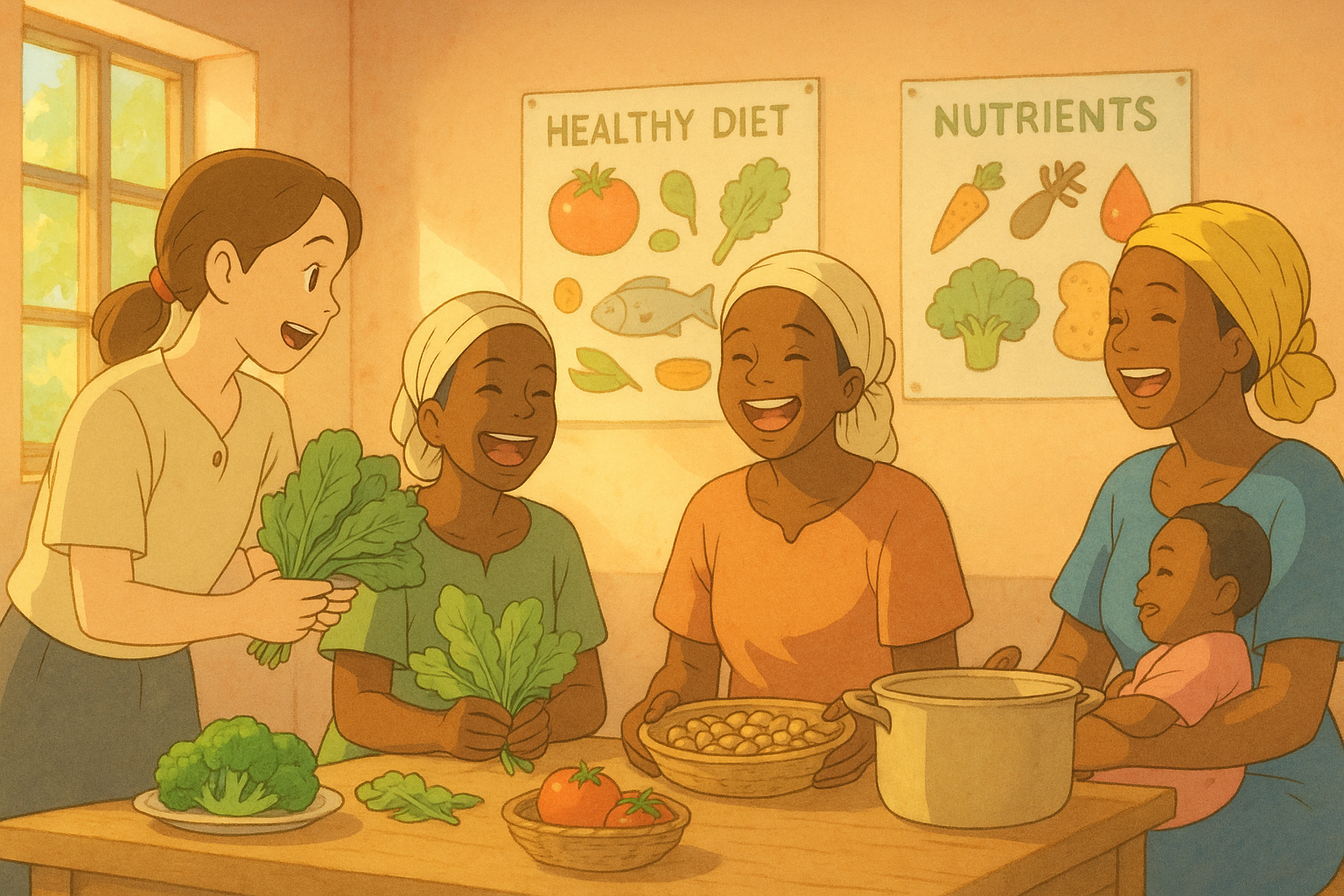
In rural clinics, nutrition volunteers teach mothers how to turn local foods into richer meals — how to grind groundnuts into baby porridge, how to dry mangoes for snacks, how to mix iron-rich millet with maize flour.
These aren't new ideas. They're old wisdom rediscovered—the same traditional foods our grandmothers relied on, now backed by science. And they can be affordable for any family.
A Different Kind of Full
There’s a quiet shift happening across Kenya.
Markets in Kisumu now sell orange-fleshed sweet potatoes — rich in Vitamin A.
Smallholder farmers in Busia plant iron-fortified beans.
Millers are learning to fortify maize flour with nutrients invisible to the eye but transformative to the body.
Hidden hunger can be beaten not by charity, but by design — by rethinking how food is grown, sold, cooked, and understood.
The Meal That Changes Everything
Back in Turkana, that same teacher watches her pupils line up for lunch — a new school feeding program that adds vegetables and a bit of oil to the usual githeri. The difference, though small, is astonishing.
The children stay alert through the afternoon. They sing louder. They run faster.
It’s a reminder that nutrition isn’t just science — it’s energy, curiosity, potential.
It’s the difference between surviving and becoming.