The Complementary Feeding Window: Feeding Your Baby from 6 to 24 Months
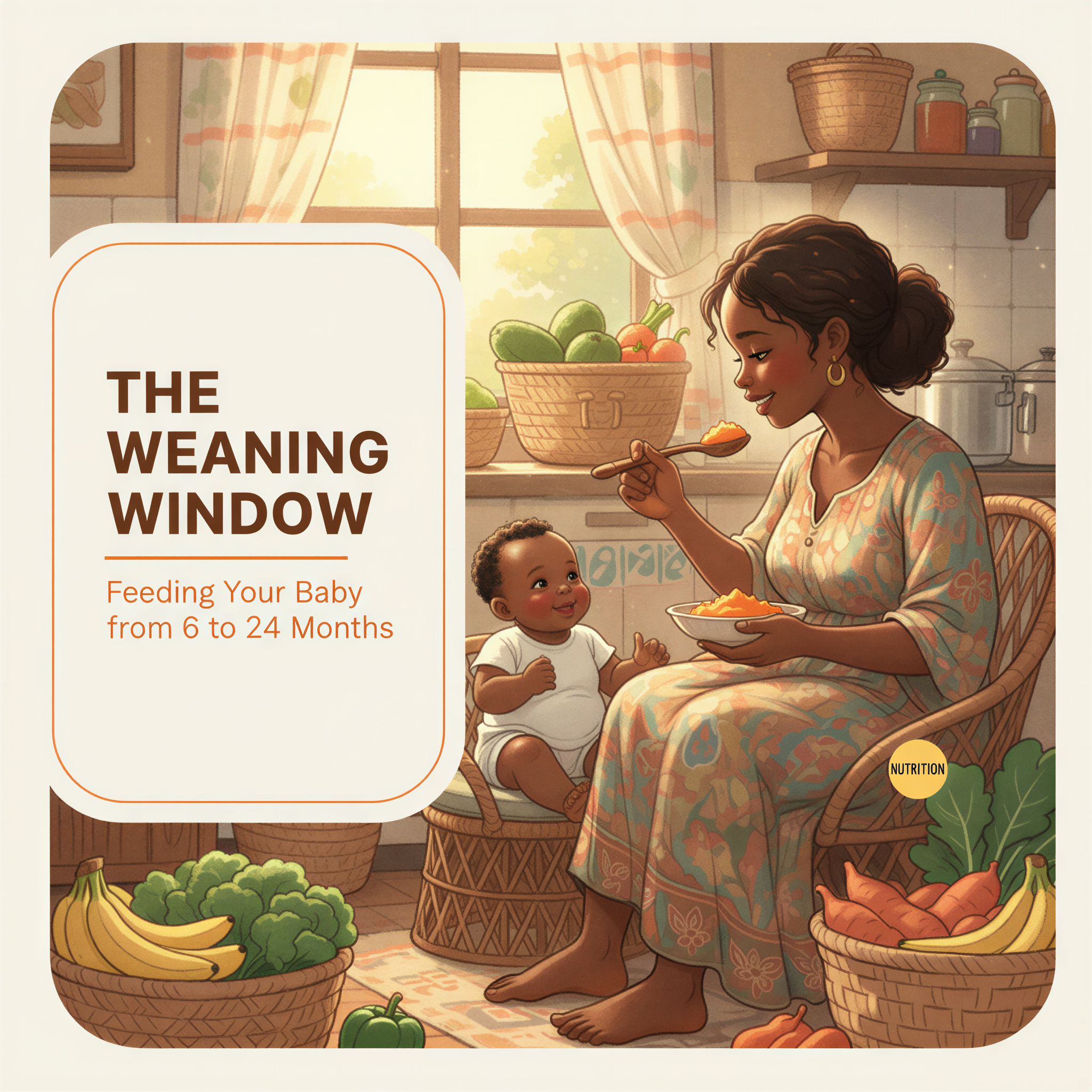
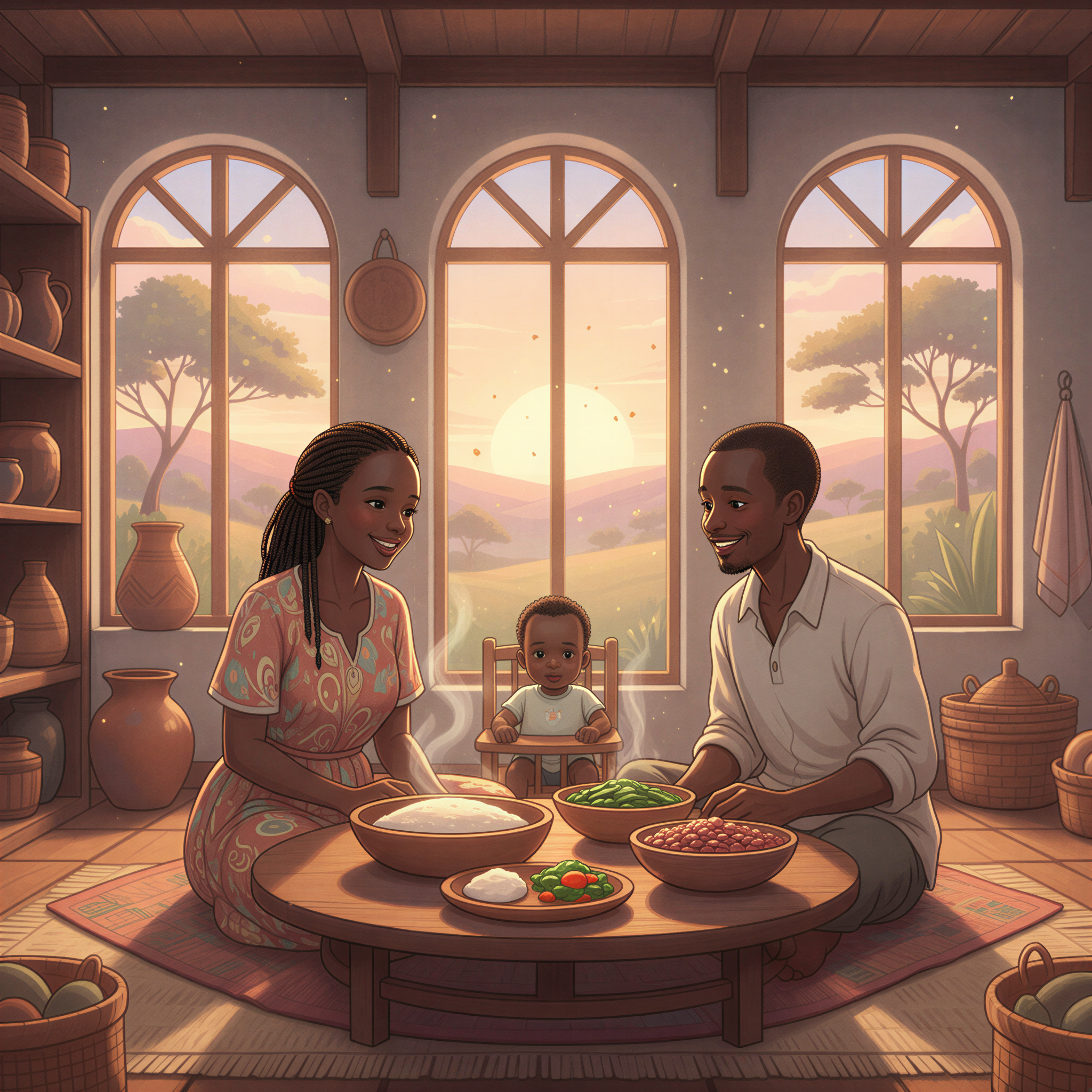
A mother in Kitale watches her 6-month-old reach for her spoon during dinner. The baby's eyes track every bite. Her little hands grab at the air.
She's ready.
But ready for what? The market is full of options, the internet is full of opinions, and her mother-in-law has her own ideas about what comes next.
This is the complementary feeding window—the 18 months from a baby's first taste of food to eating with the family. Get it right, and you set up a child for a lifetime of health. Miss the mark, and the effects can last just as long.
Table of Contents
- Why 6 Months? Not Earlier, Not Later
- The First Foods: Start Simple, Start Local
- Building Up: 7-9 Months
- Getting Adventurous: 9-12 Months
- The Toddler Table: 12-24 Months
- Common Myths That Hurt Babies
- Signs Your Baby Is Ready
- When to Worry
- The Bottom Line
Why 6 Months? Not Earlier, Not Later
For the first six months, breast milk provides everything your baby needs. Perfect nutrition. Immune protection. Hydration. Everything.
At 6 months, things change. The iron stores babies are born with start running out. Energy needs increase. The gut matures enough to handle solid foods.
Starting too early—at 3 or 4 months—increases infection risk. The gut isn't ready. The immune system isn't ready. You're trading short-term convenience for long-term problems.
Starting too late—waiting until 8 or 9 months—means missing the window when babies are most open to new tastes and textures. It also means nutrient gaps that affect growth and brain development.
Six months. Not earlier. Not later.
The First Foods: Start Simple, Start Local
Forget the expensive imported cereals. Kenya's best first foods grow right here.
Week 1-2: Single foods, one at a time
Start with thick, smooth textures—not watery porridge. Babies need calories, not water.
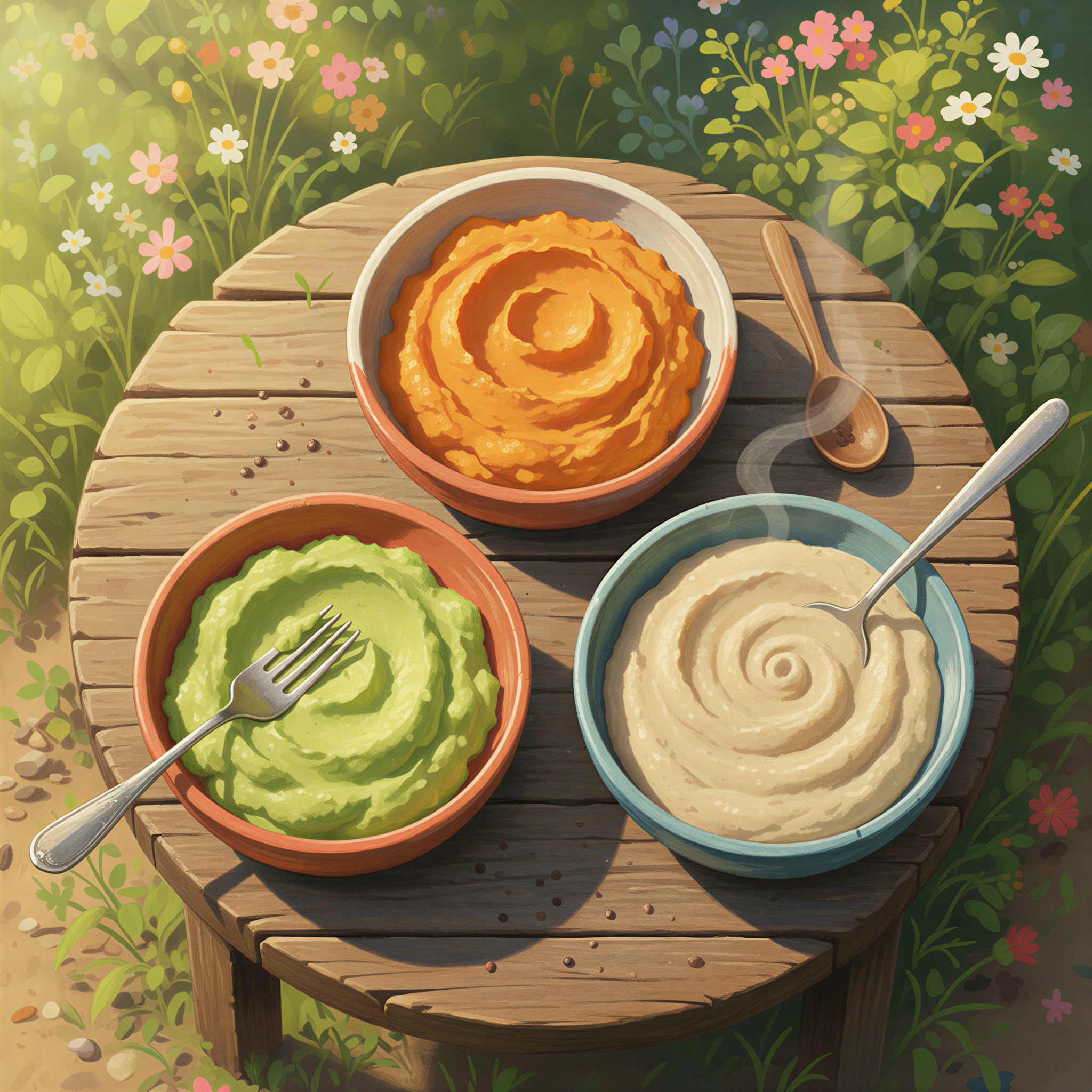
- Mashed sweet potato — naturally sweet, rich in Vitamin A
- Mashed ripe banana — energy and potassium
- Mashed avocado — healthy fats for brain growth
- Thick uji (porridge) — made with finger millet or sorghum, enriched with milk
Give one new food for 2-3 days before adding another. This helps you spot any reactions.
How thick should porridge be?
If it runs off the spoon, it's too thin. Good porridge should hold its shape. Think of mashed potato consistency, not soup.
Building Up: 7-9 Months
By 7 months, your baby is ready for more variety and texture.
Add protein:
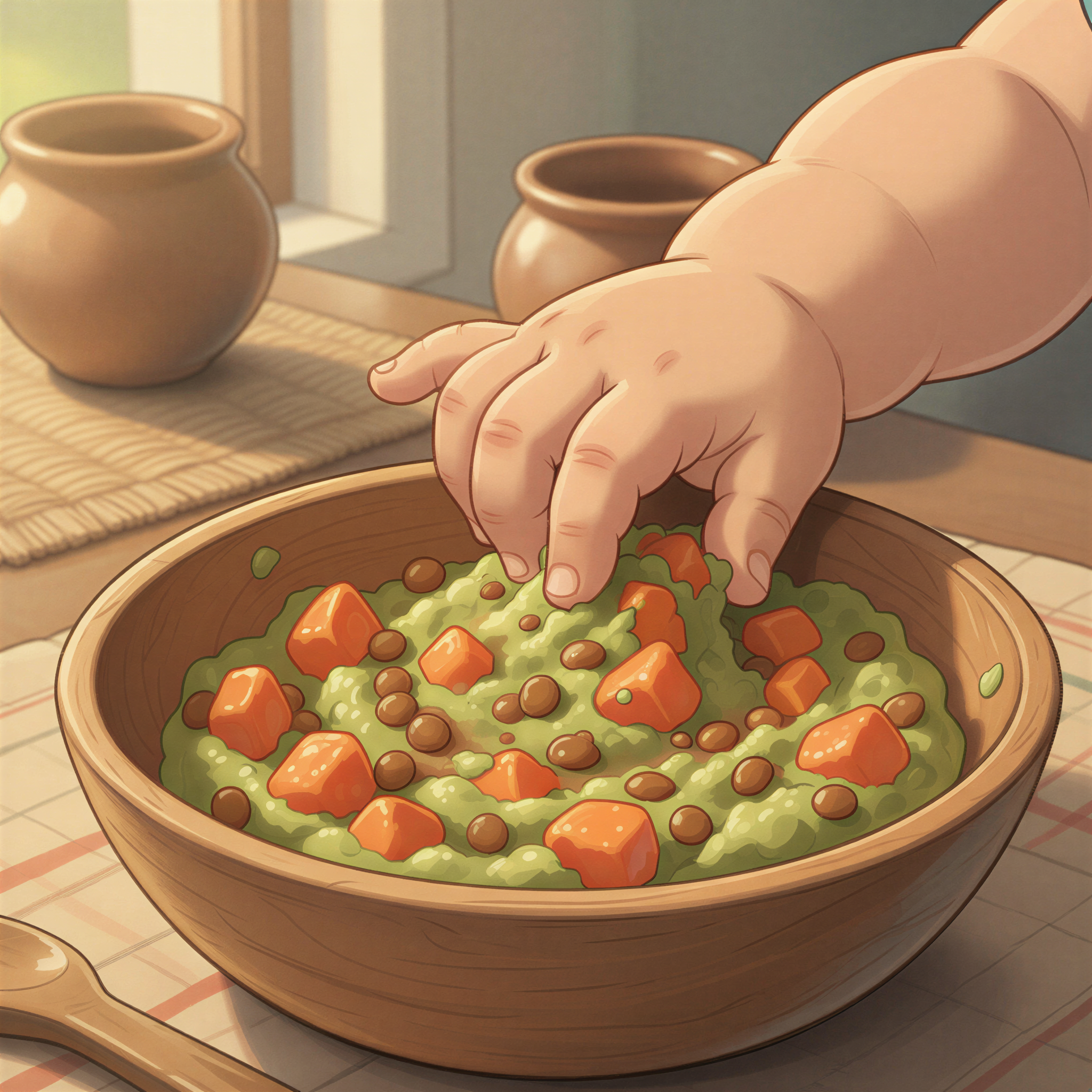
- Mashed beans or lentils (well-cooked, no skins)
- Soft scrambled egg
- Mashed omena (silver fish)
- Soft liver (iron powerhouse)
Add vegetables:
- Mashed sukuma wiki
- Mashed pumpkin
- Mashed carrots
Texture matters now. Start introducing small soft lumps. Babies need to learn to chew—even without teeth, their gums are strong enough.
Meal frequency:
- 2-3 meals per day
- Plus 1-2 snacks (mashed fruit, soft chapati pieces)
- Continue breastfeeding between meals
Getting Adventurous: 9-12 Months
This is when it gets fun. Your baby can now:
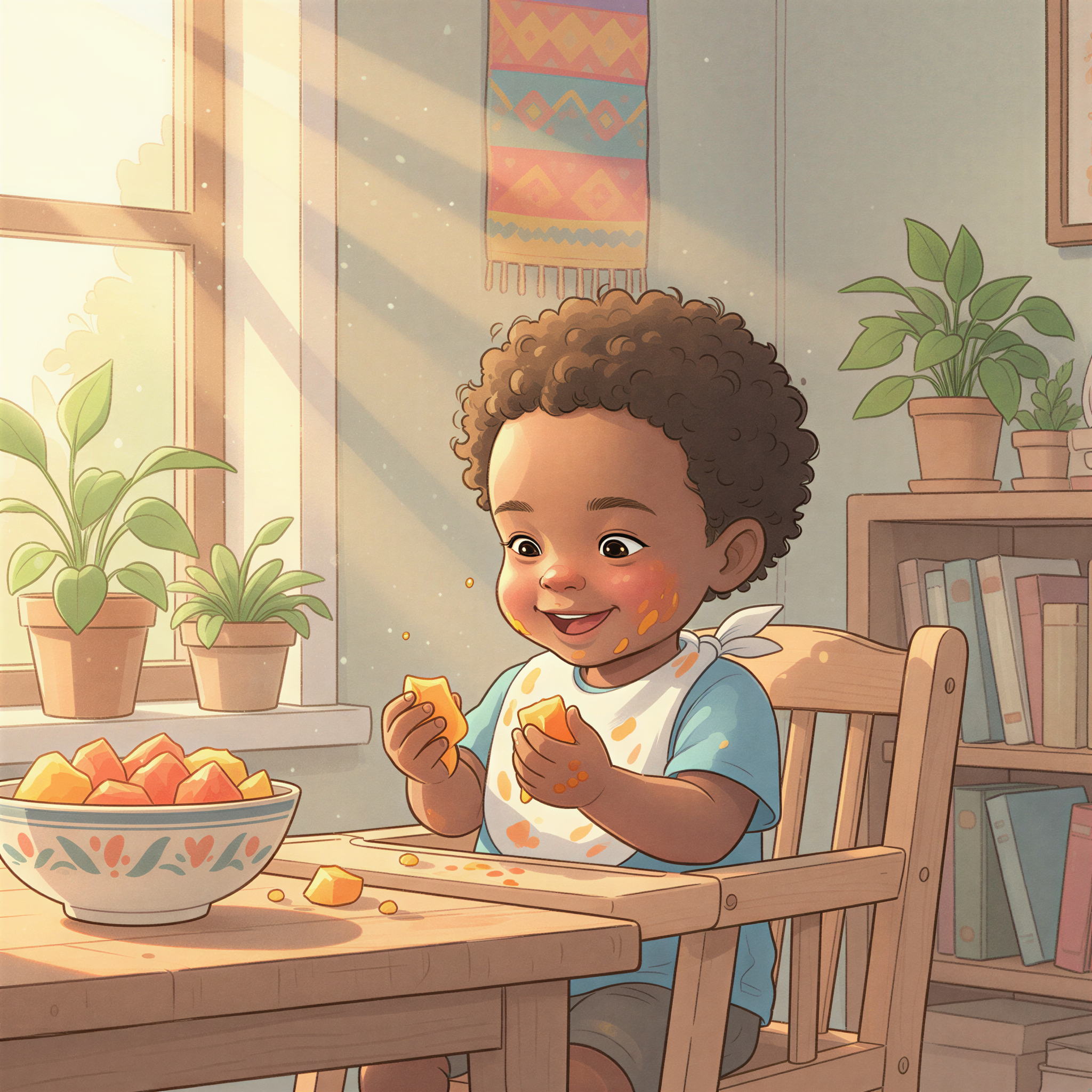
- Pick up small pieces of food (finger foods)
- Handle chunkier textures
- Drink from a cup with help
- Join family mealtimes
Finger food ideas:
- Soft cooked carrot sticks
- Pieces of ripe mango or papaya
- Small pieces of chapati
- Soft cooked beans (whole, not mashed)
- Banana slices
Don't fear the mess. Babies learn by touching, squishing, and yes, throwing food. It's normal. It's necessary.
Meal frequency:
- 3-4 meals per day
- Plus 1-2 snacks
- Breastfeeding continues
The Toddler Table: 12-24 Months
By 12 months, your child can eat most family foods—just cut them smaller and avoid very hard or sticky items.
What a good day looks like:
Breakfast: Porridge with milk + mashed banana
Mid-morning snack: Piece of fruit or boiled egg
Lunch: Ugali + sukuma wiki + beans
Afternoon snack: Avocado slices or groundnut paste on bread
Dinner: Family meal (rice/ugali + stew + vegetables)
Continue breastfeeding until age 2 or beyond. Even as solid foods increase, breast milk remains valuable for nutrition and immunity.
Common Myths That Hurt Babies
"Thin porridge is easier to swallow." Thin porridge fills the stomach with water, not nutrients. Babies need thick, energy-dense foods.
"Start with commercial cereals—they're complete." Local foods prepared well are just as good, often better, and much cheaper. Traditional foods have nourished Kenyan children for generations.
"Eggs are too heavy for babies." Eggs are one of the best first foods—complete protein, iron, and nutrients for brain development. Give them from 6 months.
"Babies don't need variety, just fill them up." Variety is crucial. Different foods provide different nutrients. A child eating only ugali and sukuma will develop hidden hunger—even if they seem full.
"If they don't like it, don't force it." Babies may need to try a food 10-15 times before accepting it. Gentle persistence, not force, is key.
Signs Your Baby Is Ready
Before starting solids, check that your baby can:
- Sit with support and hold their head steady
- Show interest in food (watching you eat, reaching for your plate)
- Open their mouth when food approaches
- Move food to the back of their mouth to swallow (not just push it out)
If your baby pushes out everything you offer, wait a few days and try again. They'll get there.
When to Worry
See a health worker if:
- Your baby refuses all solid foods after 7 months
- Weight gain has stalled or reversed
- Your baby gags or chokes frequently
- You notice signs of allergic reaction (rash, vomiting, difficulty breathing)
The Bottom Line
The complementary feeding window is short—just 18 months—but its effects last a lifetime. This is when the first 1000 days nutrition really matters.
You don't need expensive foods. You don't need complicated recipes. You need:
- The right timing (6 months)
- Thick, nutritious textures
- Variety from local foods
- Patience and persistence
Start with what's in your kitchen. Add new foods gradually. Trust your instincts—and your baby's cues.
The window is open. Let's make every meal count.