Traditional Foods, Modern Nutrition — Where Ancient Wisdom Meets Today’s Science
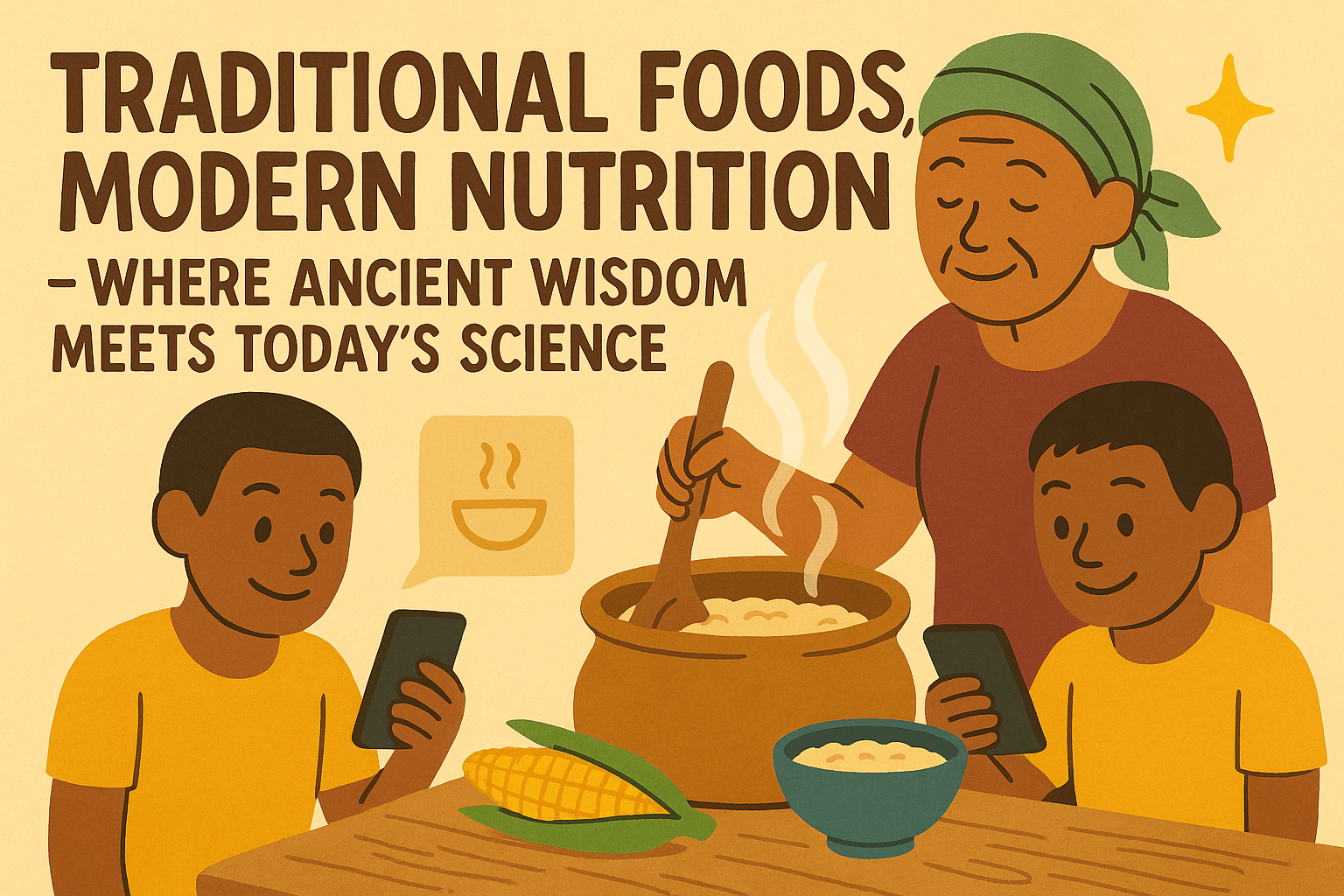
Picture this: a grandmother in Kisii stirring a pot of steaming millet porridge, the same way her mother and grandmother did before her. In the corner, her grandson scrolls through his phone, searching for “healthy breakfast ideas.” Two worlds - one steeped in tradition, one chasing modern advice - coexisting in the same kitchen.
What if I told you those two worlds don’t need to clash? In fact, they can nourish each other.
Table of Contents
- The Hidden Science in Traditional Foods
- When Culture and Nutrition Walk Hand in Hand
- The Future on Our Plates
The Hidden Science in Traditional Foods
Kenya’s food heritage isn’t just a collection of recipes - it’s a centuries-old nutritional blueprint. Passed down through generations, these dishes were designed to sustain communities through drought, harvest, and celebration.
When we run these foods through modern nutritional analysis, the results are startling:
- Amaranth leaves (terere) - iron and folate powerhouses, essential for blood health.
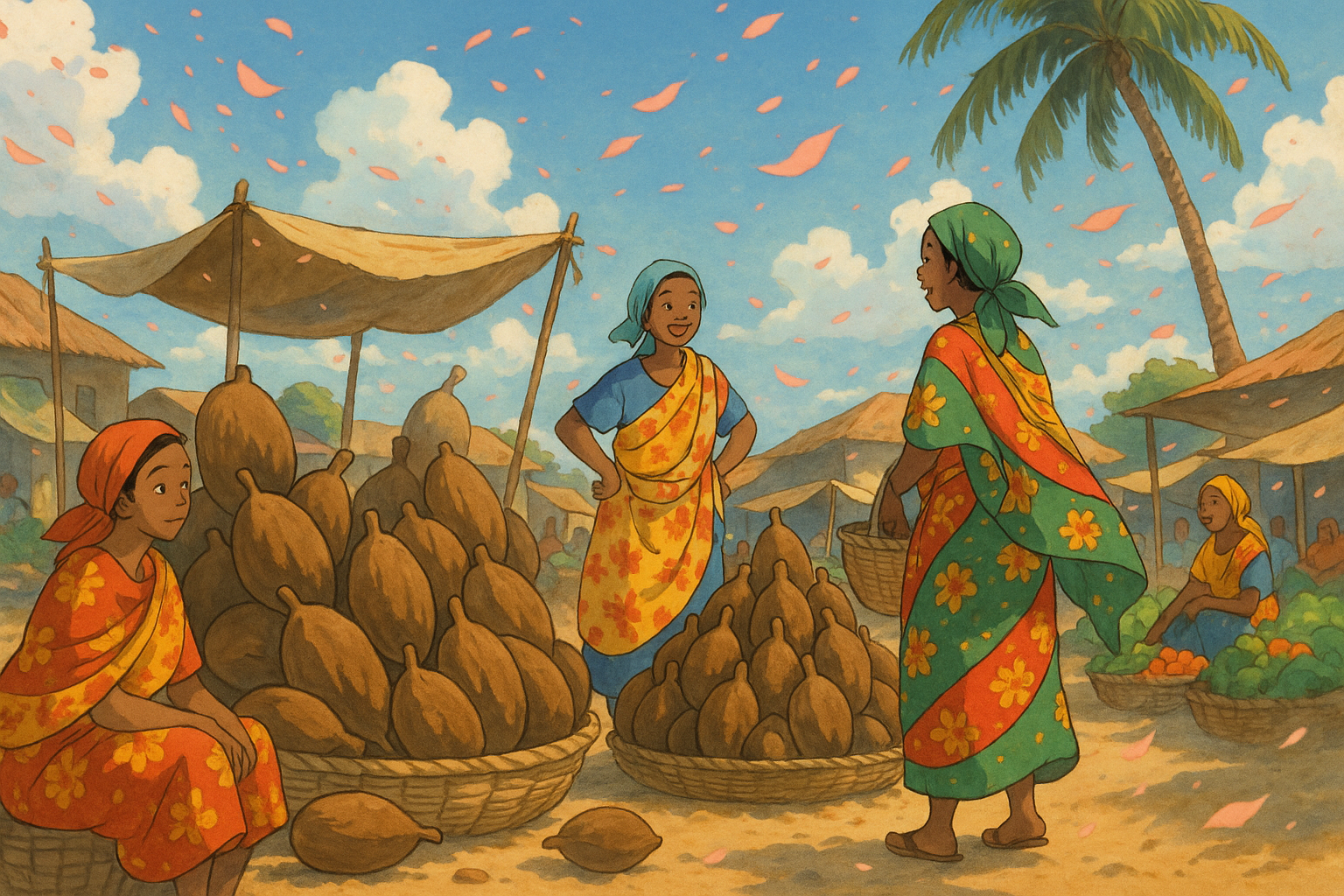
- Baobab fruit (mbuyu) - vitamin C and fiber bombs, perfect for immunity and digestion.
- Finger millet (wimbi) - calcium-rich, crucial for strong bones at every age.
- Traditional fermented foods (like mursik and uji) - natural probiotics that keep the gut microbiome thriving.
It’s not “old” vs. “new.” It’s tested over centuries and now confirmed by science.
When Culture and Nutrition Walk Hand in Hand
Too often, nutrition programs arrive with imported foods and unfamiliar recipes - well - intentioned but out of place. The result? Low adoption, high waste and a sense that “healthy” means abandoning what’s ours.
Our work takes a different path:
- We start with what people already know and trust, then find ways to amplify its nutritional punch.
- We swap refined sugar for natural sweeteners like honey in traditional teas.
- We combine millet with legumes for complete protein in a single dish.
This isn’t nostalgia - it’s resilience. Food heritage is a living thing, adapting without losing its roots.
The Future on Our Plates
If Kenya is to tackle hidden hunger and lifestyle diseases, the solution might not be hiding in the latest imported "superfood." It's already in our markets, farms and kitchens - wimbi, terere, mbuyu - waiting for us to honor and update it. These foods can be affordable for any family.
So the next time you sip mursik or peel a baobab fruit, remember: you’re not just eating. You’re participating in a continuum of health knowledge older than any textbook - and modern enough to meet today’s challenges.