Mother’s Plate, Baby’s Future
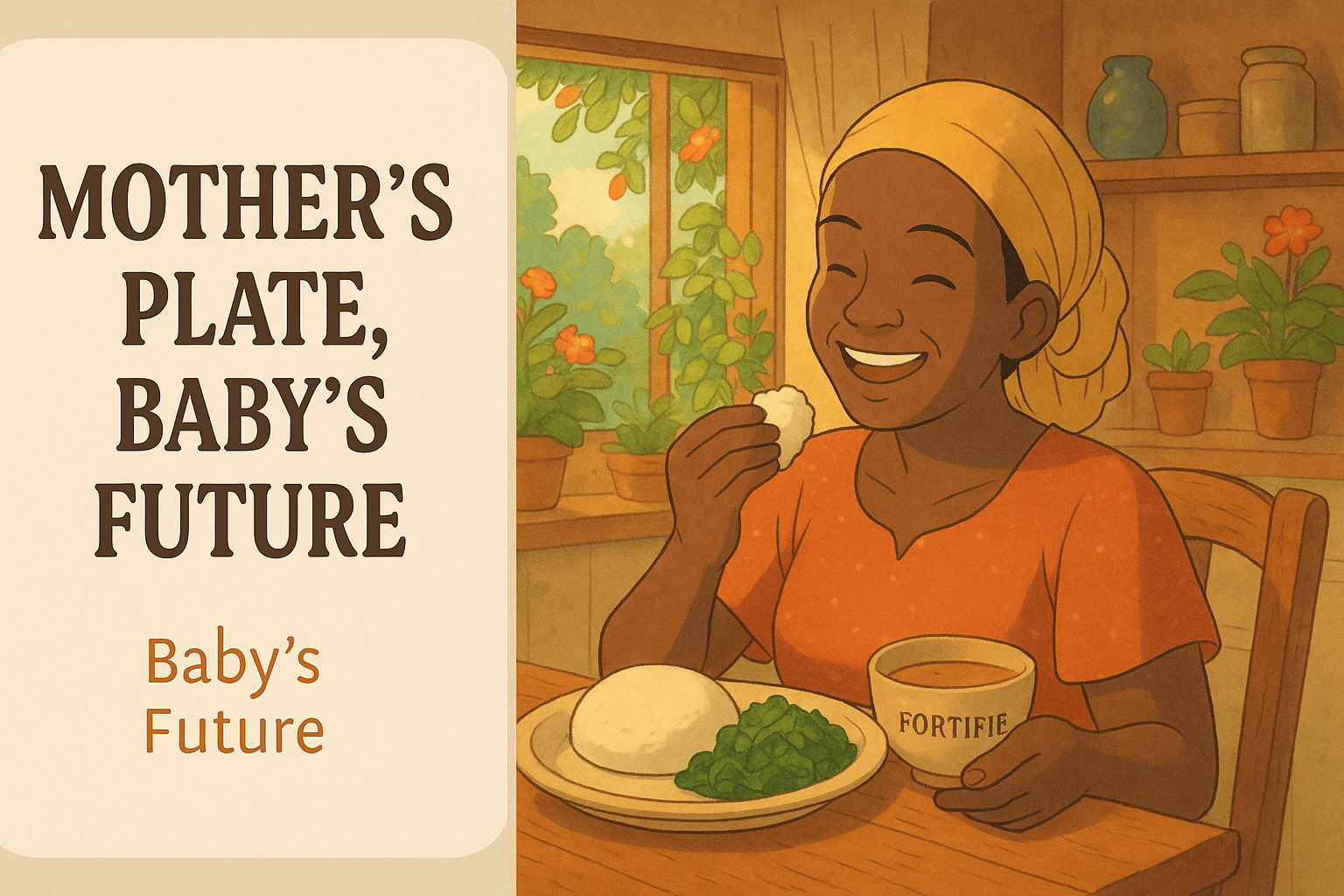
Imagine this: A mother in Kitui sits down to a simple meal of ugali, sukuma wiki, and a cup of fortified porridge. It doesn’t look extraordinary. Yet that plate is building more than her own strength - it’s laying the foundation for her baby’s brain, bones, and future health.
What a mother eats during pregnancy and breastfeeding is not just nourishment for herself. It’s the blueprint for her child’s lifelong development.
Table of Contents
- The Science of Maternal Nutrition
- Locally Available Foods That Make a Difference
- Practical Tips for Mothers
- The Breastfeeding Phase
- Community and Policy Support
- Conclusion — The Power of One Plate
The Science of Maternal Nutrition
During pregnancy, the demand for energy and nutrients increases dramatically. A mother’s body is the sole provider for her baby’s growing brain, heart and immune system. The same is true during breastfeeding, when every nutrient in breast milk reflects what she consumes.
Key impacts of poor maternal diets:
- Low birth weight
- Increased risk of stunting
- Weak immune development
- Higher susceptibility to chronic disease later in life
Key benefits of adequate maternal diets:
- Healthy birth weight
- Stronger immunity and brain growth
- Reduced risk of anemia and complications
- Better long-term learning and development outcomes
Locally Available Foods That Make a Difference
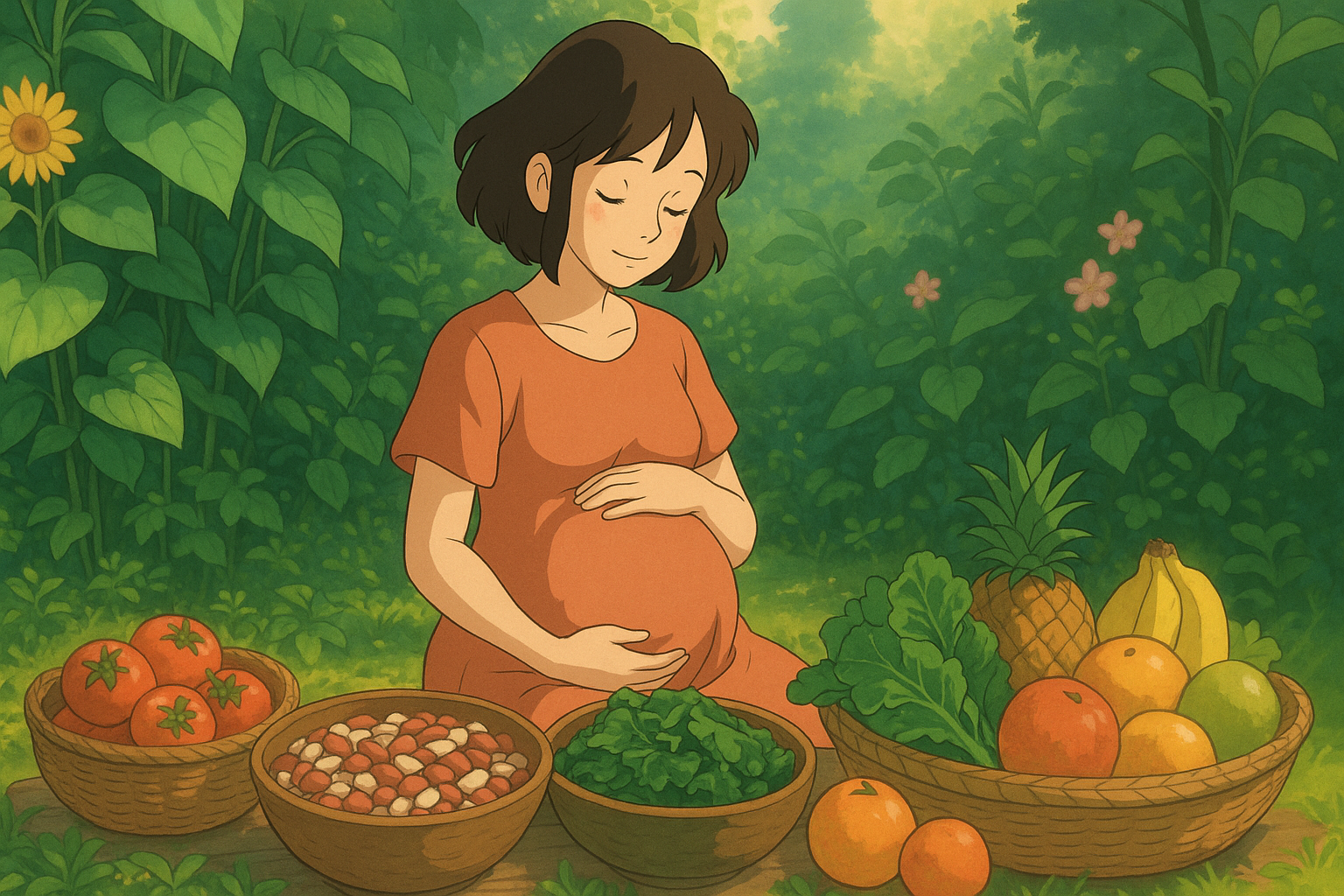
Maternal nutrition doesn’t require expensive or imported “superfoods.” Kenya’s traditional foods, when used wisely, cover most needs:
- Proteins: Beans, lentils, green grams, eggs, goat meat, fish from Lake Victoria or coastal areas.
- Iron: Sukuma wiki (collard greens), kunde (cowpea leaves), liver, amaranth leaves (terere).
- Calcium: Wimbi (finger millet), milk, small fish (omena).
- Vitamin A: Pumpkins, carrots, mangoes, papaya, orange-fleshed sweet potatoes.
- Essential fats: Groundnuts, simsim (sesame), avocado.
- Hydration: Clean, safe water, coconut water (coast), traditional uji for energy.
These foods are already part of Kenyan kitchens - they just need emphasis and consistency.

Practical Tips for Mothers
- Small, Frequent Meals: Pregnancy increases appetite, but nausea and fatigue make large meals difficult. Spread meals throughout the day.
- Mix Food Groups: Don’t just eat ugali with sukuma—add beans or milk for protein.
- Prioritize Iron & Folic Acid: Use fortified flours when possible, and eat leafy greens daily.
- Snack Smart: Swap packaged snacks for roasted maize, boiled eggs, or fruits like mango.
- Stay Hydrated: Water supports digestion, blood flow, and milk production.

The Breastfeeding Phase
Breastfeeding is the gold standard for the first six months of life. Mothers need extra calories and hydration, but the principle is the same: a varied, balanced diet ensures nutrient-rich breast milk.
Practical boosters:
- Drink a glass of water before and after each breastfeeding session.
- Keep roasted groundnuts or fruit handy for quick energy.
- Include animal protein (eggs, fish, milk) at least a few times per week.
Community and Policy Support
Mothers cannot shoulder this alone. Support systems matter:
- Husbands and families sharing chores so mothers can rest and eat well.
- Community health workers counseling mothers on meal planning.
- Policies that strengthen food fortification programs and maternal health coverage.
Conclusion — The Power of One Plate
Every meal on a mother’s plate is more than food. It’s an investment in her child’s brainpower, resilience, and future potential.
When we nourish mothers, we nourish generations.