The Price of a Plate: What a 100 Shilling Meal Says About Kenya’s Inequality
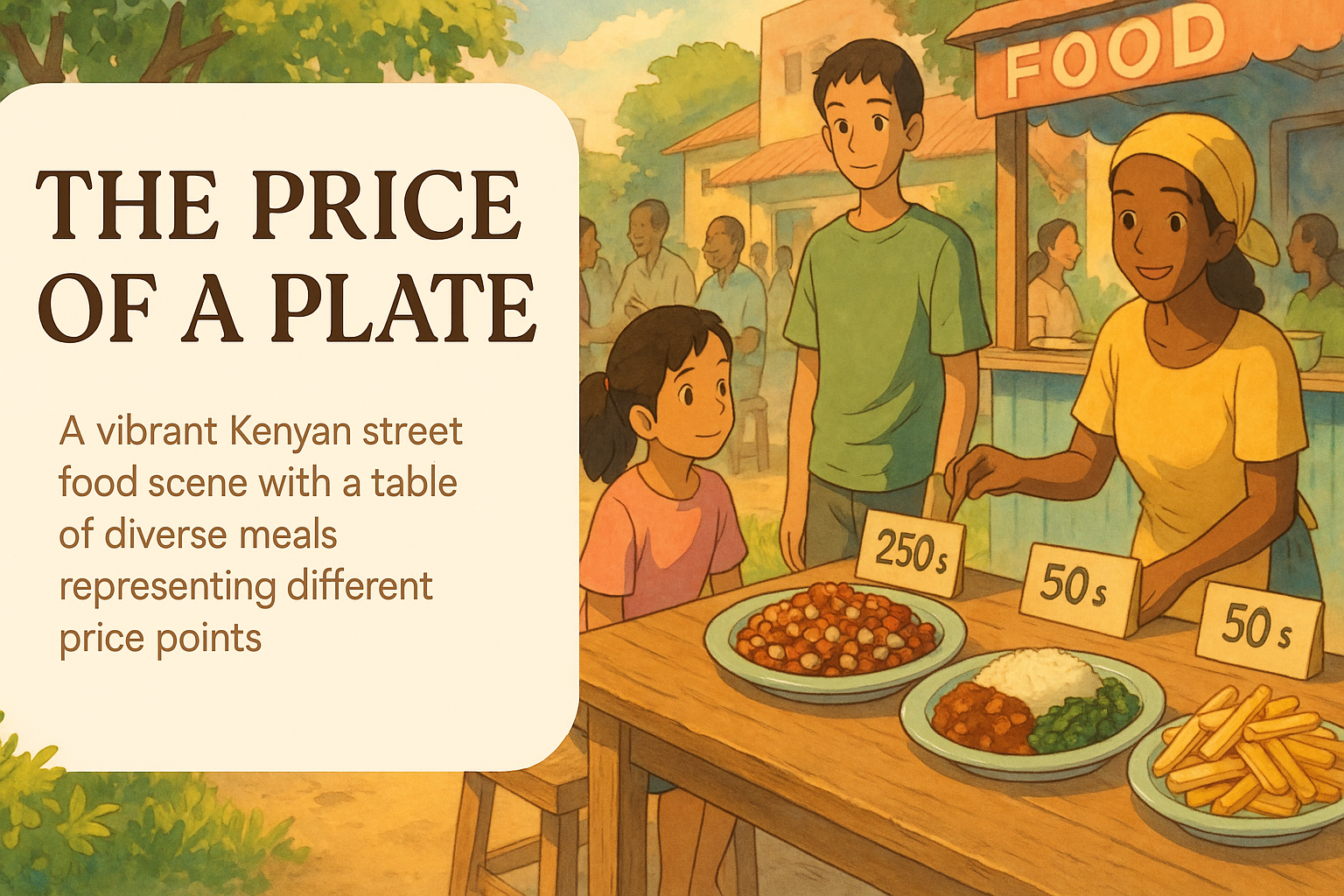
A simple question sets everything in motion: What can you eat in Kenya today for 100 shillings?
For some, that’s a plate of hot githeri from a vibanda in Kariobangi — maize and beans cooked until they give in, a little chili on top, served with a kind of quiet generosity.
For others, it’s barely enough for a small packet of fries in town — oily, limp, thrown together fast, eaten even faster.
And for many families across the country, especially in the North, 100 shillings isn’t food at all. It’s a day of tough calculations: flour or paraffin, lunch or nothing, another afternoon of “we’ll make do.”
A hundred shillings may be small, but what it buys — or fails to buy — tells a story far bigger than hunger.
It tells a story of inequality.
Table of Contents
- The Nairobi Version of 100 Bob
- In the Settlements, 100 Shillings Stretches and Breaks
- In Turkana, the 100 Shilling Question Changes Completely
- The Hidden Story Behind the Plate
- Why the Price of a Plate Matters
- The Hope in Everyday Places
- *The Real Question Isn’t “What Can 100 Bob Buy?”
The Nairobi Version of 100 Bob
Walk through downtown Nairobi at lunchtime and listen.
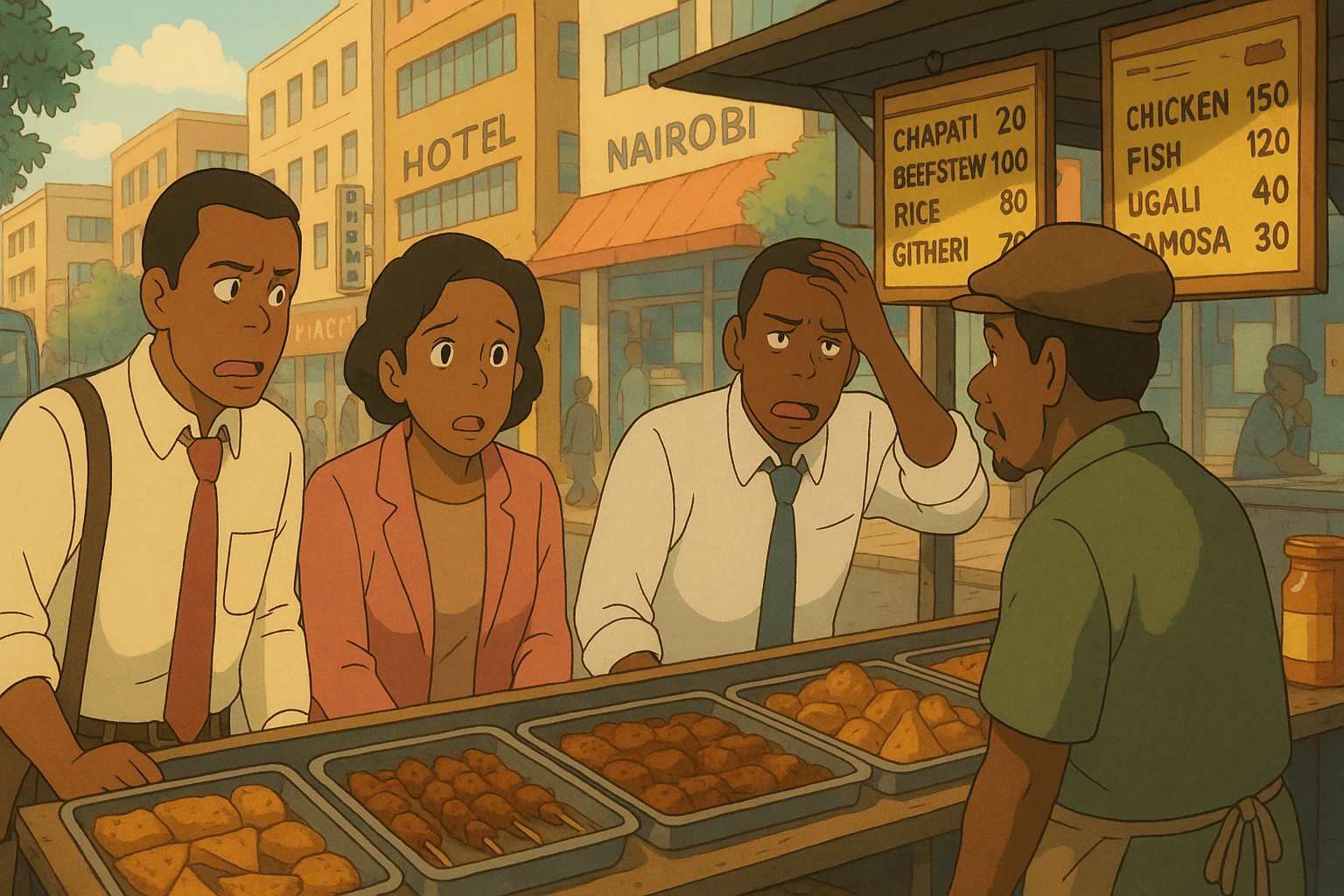
You’ll hear office workers debating where to eat. A plate of rice and beans? 120 bob. Githeri special? 150. Pilau if the morning was kind? 180.
A rookie intern will look at the menu and quietly ask the waiter, “Kuna kitu ya mia?” Is there anything for a hundred?
The waiter will shake his head — politely, apologetically. Even the basics have climbed beyond the reach of the note that once meant a decent lunch.
A hundred shillings in the city now buys more time than nutrition: a smoky cup of chai, two mandazis, and a promise to eat properly “later.”
“Later” never comes for many.
In the Settlements, 100 Shillings Stretches and Breaks
In Mathare, Mukuru, and Kibra, the maths changes.
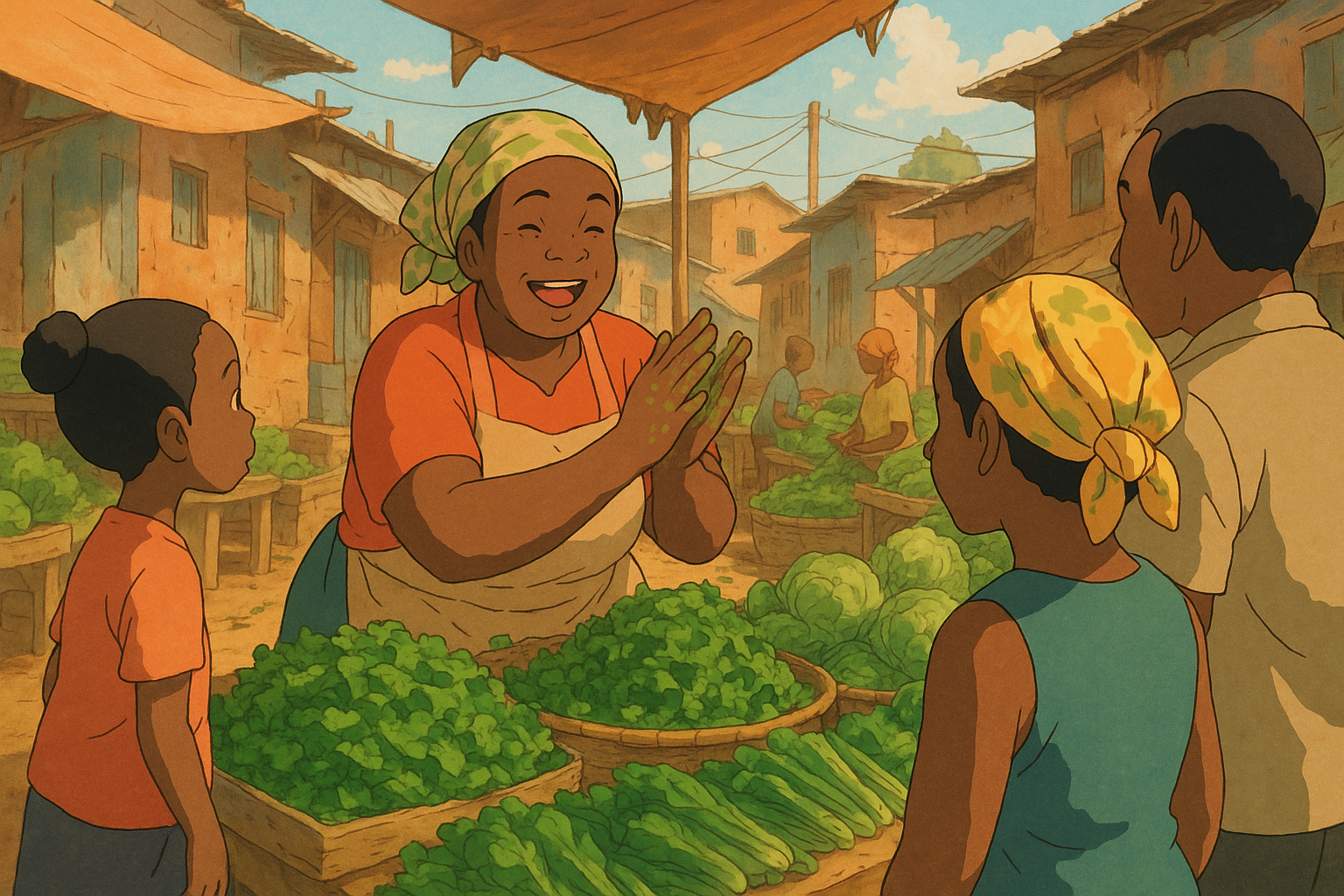
A mama mboga, hands dusted with soil from sorting sukuma, sells a fistful of greens for 10 bob. A tomato is 5. A spoon of cooking oil, poured from a repurposed water bottle, is 10. Two cups of maize flour — enough for a small ugali — go for 40.
A hundred shillings can feed a family once if you stretch everything, dilute everything, pray everything lasts. But there are ways to make affordable nutrition work even on a tight budget.
It’s not a meal. It’s a compromise. But compromises still count as survival.
And that’s the story most families don’t want to admit: they aren’t skipping meals out of neglect — they’re skipping them out of arithmetic.
In Turkana, the 100 Shilling Question Changes Completely
Travel north and the equation breaks.
In Lodwar or Kakuma, 100 shillings is a luxury. It’s two packets of maize meal one week, one packet the next. It’s a plastic jerrycan of drinking water or firewood for cooking — but rarely both.
A mother will tell you, “Tunakula. Lakini si kila mtu.” We eat. But not everyone.
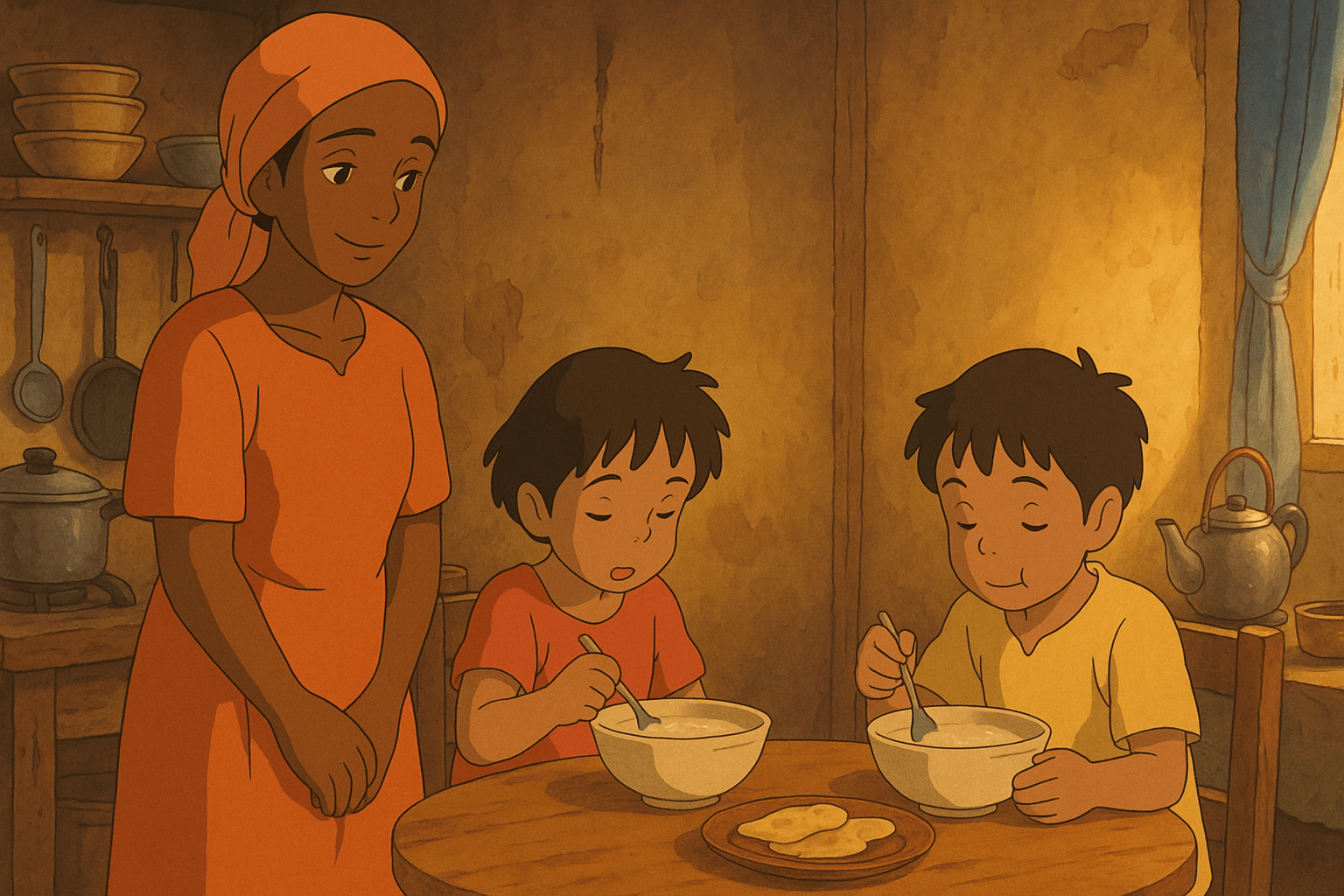
Sometimes, it’s the mother who doesn’t eat. She watches her children finish the porridge and pretends she isn’t hungry.
In the ASAL regions, 100 shillings is not a meal — it’s a decision about who gets to eat.
That’s what inequality looks like in real time.
The Hidden Story Behind the Plate
Behind every meal bought with a hundred shillings is a quiet truth:
- It’s not just about food.
- It’s about access.
- It’s about dignity.
- It’s about the distance between what things cost and what people earn.
Nutritionists talk about macronutrients, vitamins, stunting, micronutrient gaps. But on the ground, where real people make real trade-offs, nutrition looks like:
- “Do we buy sukuma or do we buy water?”
- “Can we afford cooking gas this week?”
- “Is the child okay with just tea?”
These are not reckless choices. They are the choices inequality forces onto families.
Why the Price of a Plate Matters
A 100-shilling meal is not just an economic unit. It’s a mirror.
It reflects the widening gap between those who eat to live and those who choose what to eat. It reveals how vulnerable households navigate a food system that often feels indifferent to their struggle. It exposes how nutrition, health, and opportunity are braided together in ways most policy papers never capture.
How well a family eats is not determined by knowledge alone. It is shaped by income, geography, climate, markets, and political choices.
A child in Westlands and a child in Wajir may both eat ugali tonight — but the worlds surrounding their plates are not the same.
The Hope in Everyday Places
And yet, something quietly powerful is happening across Kenya.
- Community gardens are sprouting in informal settlements.
- Mothers’ groups in Turkana are learning to make nutrient-rich porridge from local grains.
- Street vendors are experimenting with healthier versions of familiar meals.
- Young farmers are growing indigenous vegetables forgotten by modern markets.
Nutrition is no longer a conversation about what people should eat. It’s becoming a conversation about how communities are finding ways to eat better with what they already have.
Because in Kenya, innovation doesn’t always look like technology. Sometimes it looks like sukuma growing in a tin can behind a mabati house.
*The Real Question Isn’t “What Can 100 Bob Buy?”
It’s “Why Is 100 Bob Not Enough?”**
When we talk about food security, malnutrition, and health, we often start with policy. But maybe we should start with that small note in someone’s hand — and what it fails to buy them.
The price of a plate reveals the price of inequality.
And if we want healthier families, stronger children, and a country where food is not a daily negotiation, we must close the gap between the meals people can afford — and the meals they actually deserve.