Garissa's Nutrition Story: Lessons from Kenya's Northeast
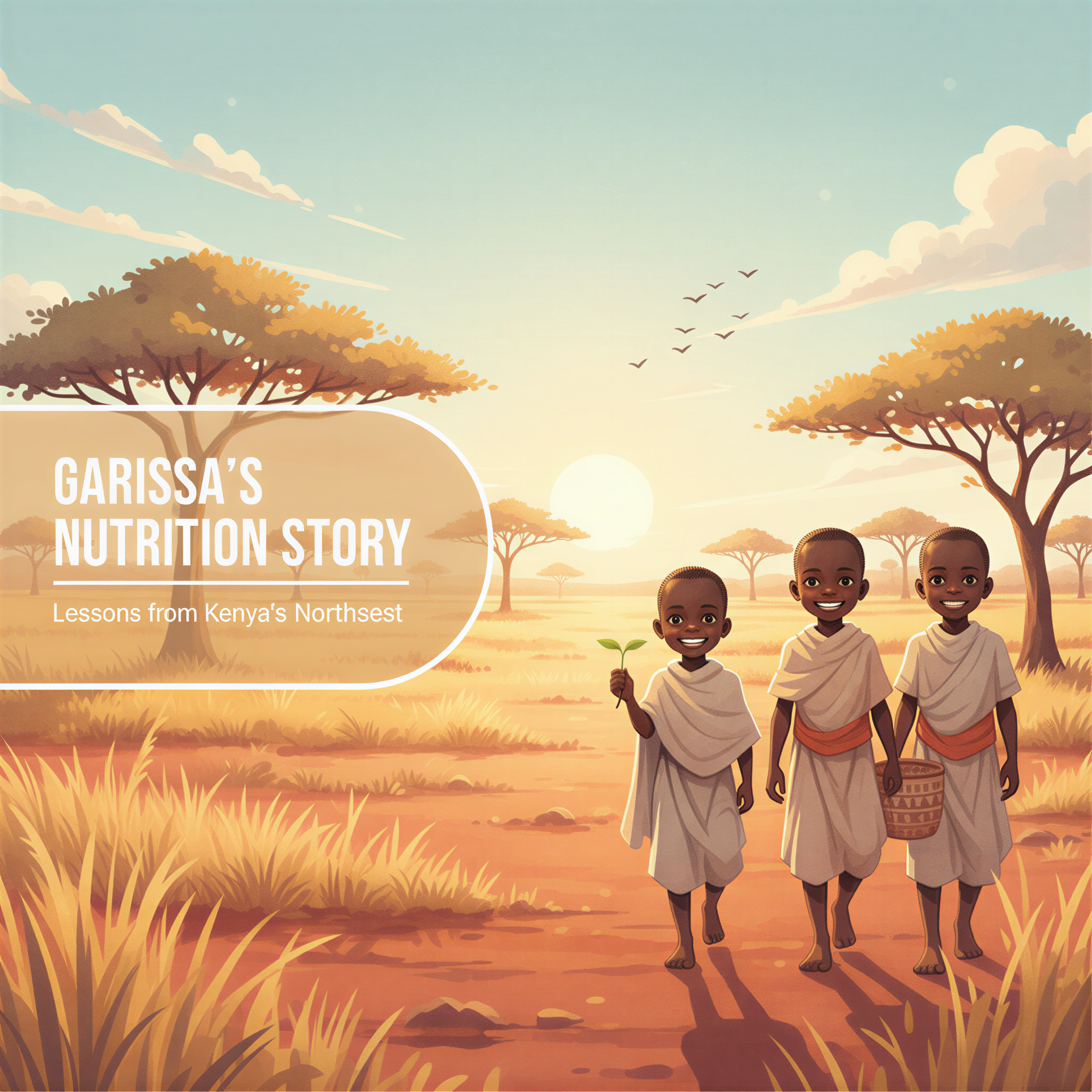
The road from Nairobi to Garissa stretches nearly 400 kilometers through changing landscapes—from green highlands to the dry, thorny bushland of Kenya's northeast.
But the distance isn't just geographical.
Garissa County sits at the crossroads of challenges: climate vulnerability, cross-border movement, and health systems stretched thin. Yet within these challenges, communities are writing a different story—one of resilience, innovation, and hope.
This is Garissa's nutrition story.
Table of Contents
- A County at the Crossroads
- The Numbers Behind the Struggle
- What Makes Garissa Different
- Local Heroes: The CHVs of Garissa
- Innovation in Harsh Conditions
- The Dadaab Factor
- What's Working
- Stories of Change
- What Still Needs to Change
- The Road Ahead
A County at the Crossroads
Garissa isn't Turkana. It isn't Marsabit. Each ASAL county has its own story.
Here, pastoralism meets cross-border trade. Somali heritage shapes food culture. Camel milk flows more freely than cow's milk. And the Tana River—when it flows—brings both life and flooding.
The population is young. Over 50% are under 18. What happens to nutrition here shapes an entire generation.
The Numbers Behind the Struggle
Let's be honest about where things stand:
- 29.8% stunting rate — Nearly 1 in 3 children under 5 have impaired growth
- 15.7% wasting rate — One of the highest in Kenya
- 44% of households are food insecure at any given time
- Only 11% of children aged 6-23 months receive a minimum acceptable diet
These aren't just statistics. They're children. They're futures. They're communities fighting against the odds.
What Makes Garissa Different
1. Pastoralist Livelihoods
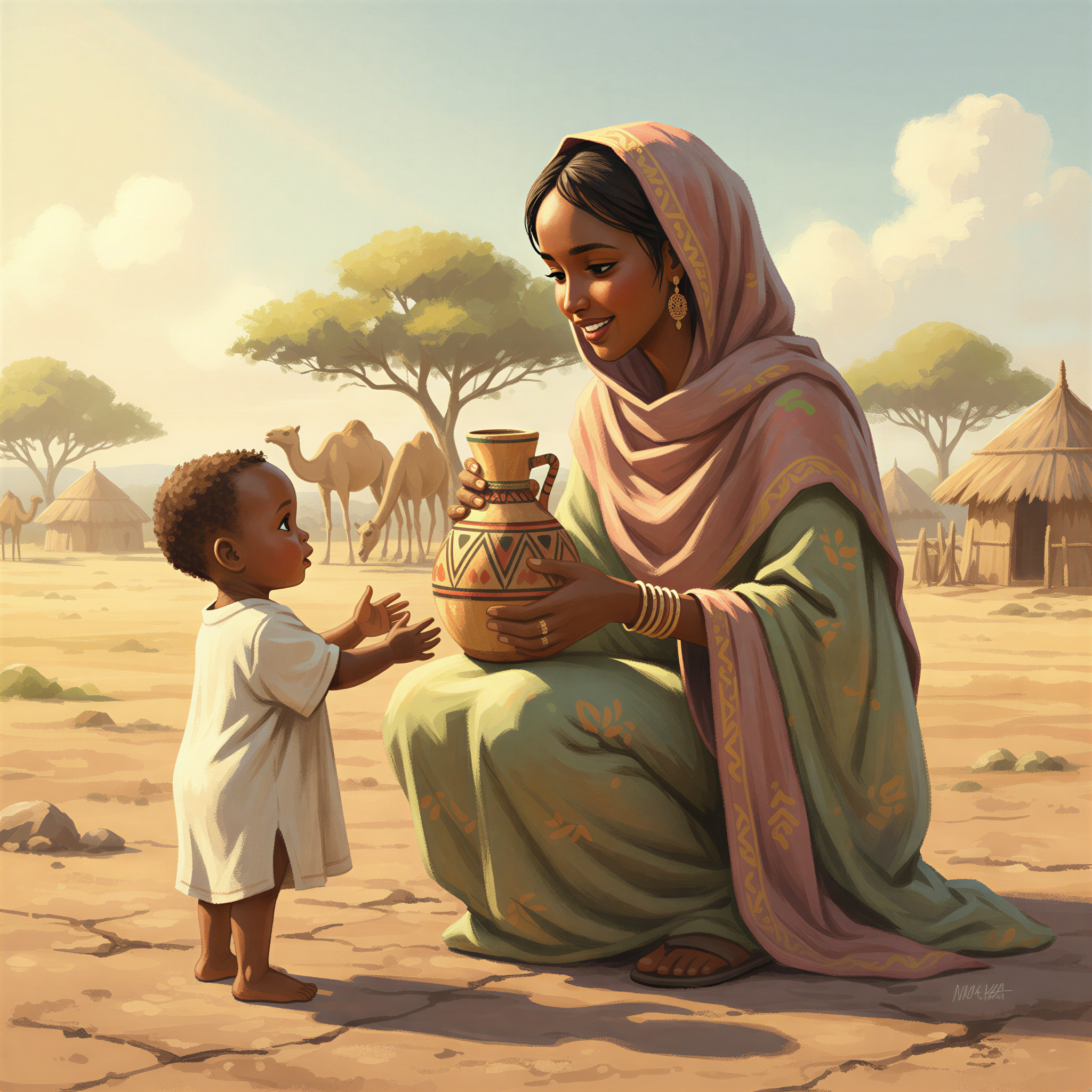
Most families depend on livestock—camels, goats, and cattle. Milk is life. When drought strikes and animals die or stop producing, the nutritional impact is immediate and severe.
2. Cross-Border Dynamics
The porous border with Somalia means constant movement. Families cross for trade, family, and safety. Health systems struggle to track and serve mobile populations.
3. Cultural Food Practices
Food customs matter here. Camel milk is prized. Tea with milk is essential hospitality. Meat is reserved for special occasions. Understanding these practices is key to effective nutrition programs.
4. Conflict and Insecurity
Parts of Garissa have faced security challenges that limit health worker access and disrupt livelihoods. You can't address nutrition without addressing safety.
Local Heroes: The CHVs of Garissa
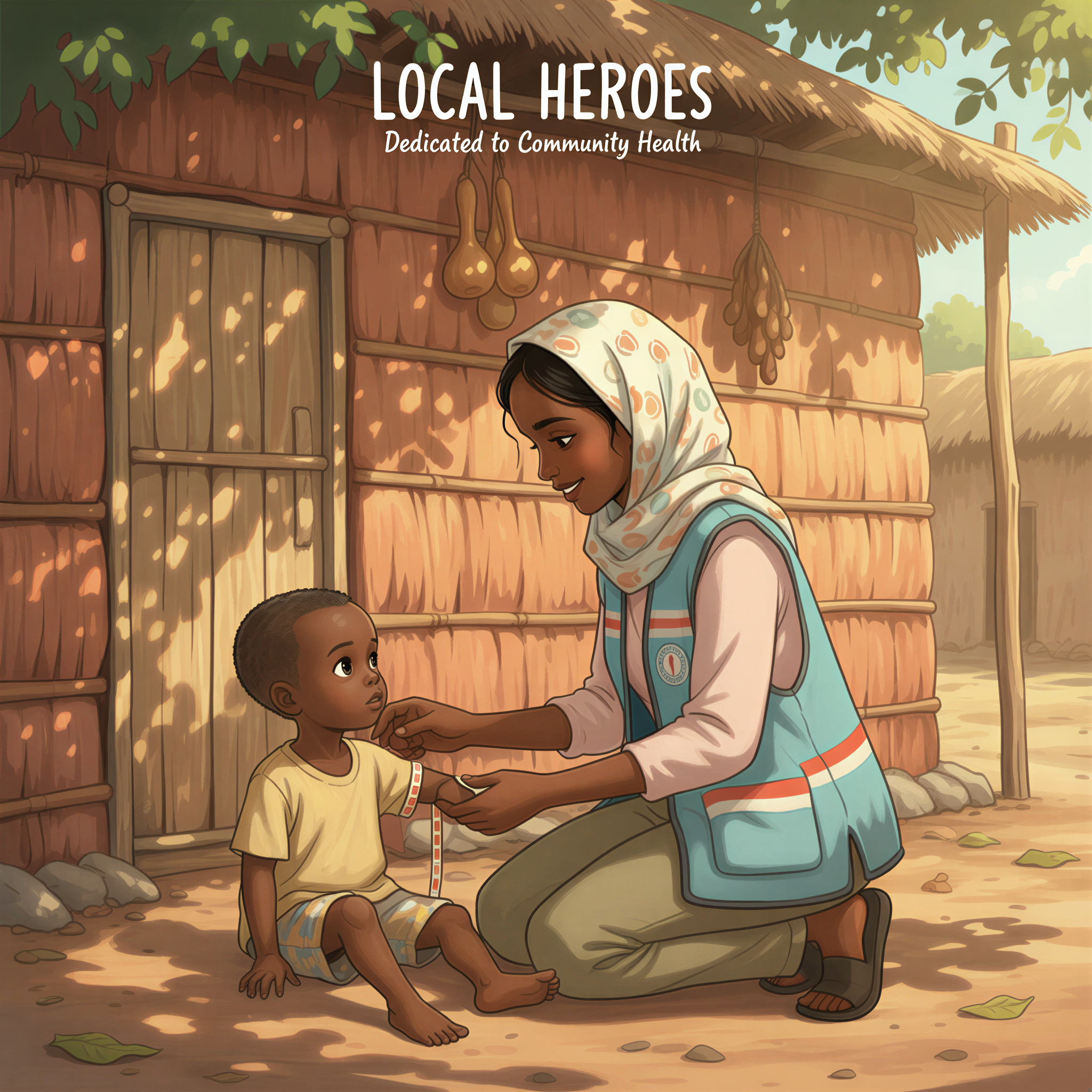
In the village of Modogashe, Halima has been a Community Health Volunteer for eight years.
Every morning, she walks between homes with her MUAC tape and register. She knows every child under five in her catchment area by name. She knows which mothers are pregnant, which families are struggling.
"When I see a child's arm in the yellow zone, I don't wait," she says. "I take them to the facility that day."
Halima and hundreds of CHVs like her are the frontline of nutrition surveillance in Garissa. They:
- Screen children monthly for acute malnutrition
- Counsel mothers on breastfeeding and complementary feeding
- Refer severe cases to stabilization centers
- Track defaulters who miss clinic appointments
Without them, children would slip through the cracks. With them, lives are saved daily.
Innovation in Harsh Conditions
Garissa is proving that innovation thrives in adversity.
Camel Milk Programs
Instead of promoting cow's milk in a county where camels dominate, programs now emphasize camel milk—which is more available and culturally appropriate. Camel milk is rich in protein, vitamin C, and iron.
Mobile Outreach
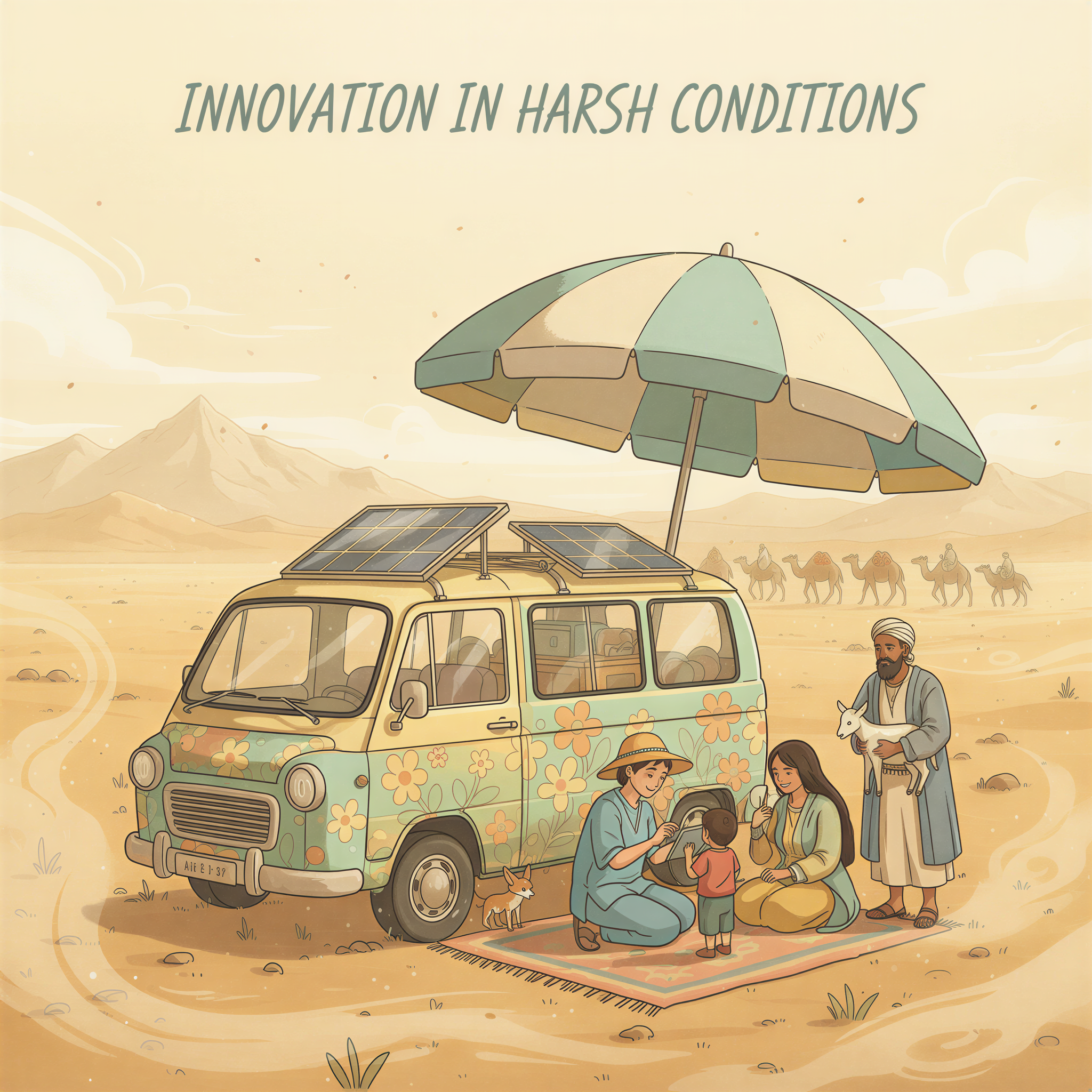
Where families move with their herds, health services move too. Mobile clinics bring nutrition screening, supplementary feeding, and health education to remote settlements.
Kitchen Gardens with a Twist
Traditional kitchen gardens struggle in Garissa's heat. Innovations include:
- Shade-cloth structures to reduce evaporation
- Drip irrigation from recycled containers
- Focus on drought-tolerant vegetables like cowpea leaves
Community-Based Management of Acute Malnutrition (CMAM)
Garissa was an early adopter of treating severe malnutrition at home rather than hospitals. Mothers learn to give therapeutic foods (like PlumpyNut) at home, with weekly clinic visits. Recovery rates exceed 85%.
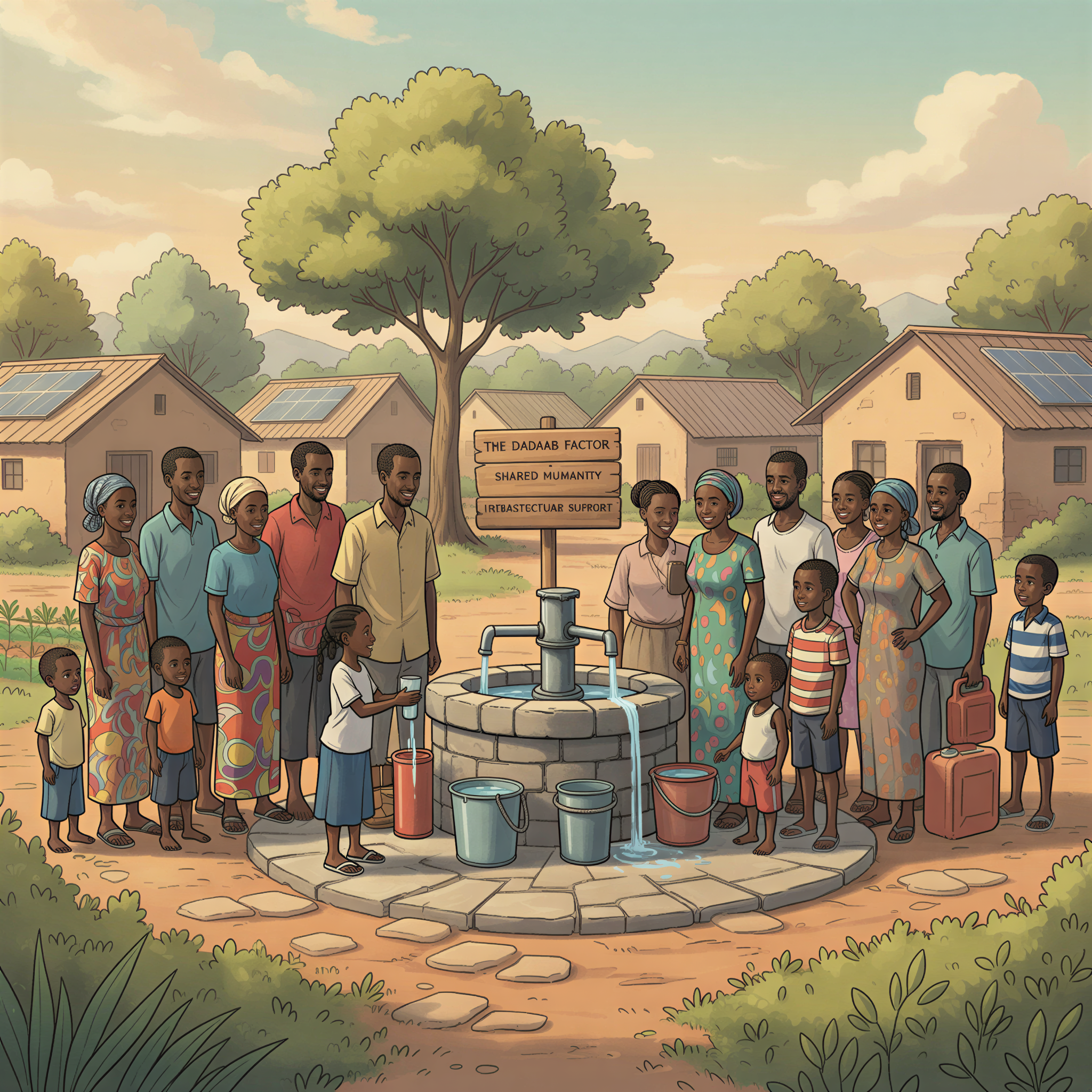
The Dadaab Factor
Dadaab refugee complex—one of the world's largest—sits in Garissa County. Hundreds of thousands of refugees live there, alongside host communities.
This creates both challenges and opportunities:
Challenges:
- Strain on local resources and services
- Competition for water and grazing land
- Different nutrition needs and practices
Opportunities:
- Significant humanitarian investment in the region
- Health infrastructure that serves both refugees and hosts
- Knowledge exchange between communities
- Economic activity from humanitarian operations
The lessons learned in Dadaab—in emergency nutrition, community health systems, and resilience building—benefit all of Garissa.
What's Working
Despite the challenges, progress is real. Here's what's making a difference:
1. Integrated Health Services
Nutrition is now part of every health contact. Pregnant women get counseling. Children under five get screened. It's not an add-on—it's the core.
2. Early Warning Systems
Community-based surveillance detects droughts and nutrition crises early. When MUAC readings start trending yellow, emergency response kicks in before children reach red.
3. Multi-Sector Approach
Nutrition programs coordinate with water and sanitation projects. They link to livelihood support. They engage schools. Malnutrition can't be solved by health alone.
4. Local Leadership
The County Government of Garissa has prioritized nutrition. Budgets have increased. Political leaders speak about it. This matters.
5. Cultural Adaptation
Programs that work with cultural practices—not against them—succeed. Promoting camel milk, respecting fasting practices, engaging religious leaders.
Stories of Change
In Balambala, a mother named Amina brought her 18-month-old son to the health center. His MUAC was red—severe acute malnutrition. His hair had turned brown. He was too weak to play.
Eight weeks later, after outpatient therapeutic feeding, his MUAC was green. His energy returned. His smile came back.
"I thought I would lose him," Amina says. "The CHV found us in time."
This story repeats across Garissa. Children recovered. Mothers empowered. Communities stronger.
What Still Needs to Change
Progress is real, but the work isn't done:
- More CHVs — Coverage is still incomplete in remote areas
- Better roads — Referral delays cost lives
- Climate adaptation — Droughts are getting more frequent
- Sustained funding — Nutrition programs need predictable resources
- Adolescent nutrition — The focus on under-5s misses older children and teenage mothers
The Road Ahead
Garissa's story isn't finished. It's a story being written by:
- CHVs walking between homesteads with their MUAC tapes
- Mothers learning to enrich porridge with local foods
- Health workers at remote dispensaries doing more with less
- Communities refusing to accept malnutrition as normal
The challenges are real. The distances are vast. The climate is harsh.
But so is the resilience.
Garissa is proving that even in ASAL conditions, better nutrition is possible. Not easy—but possible.
And that's a story worth telling.