From Market to Meal: Affordable Nutrition
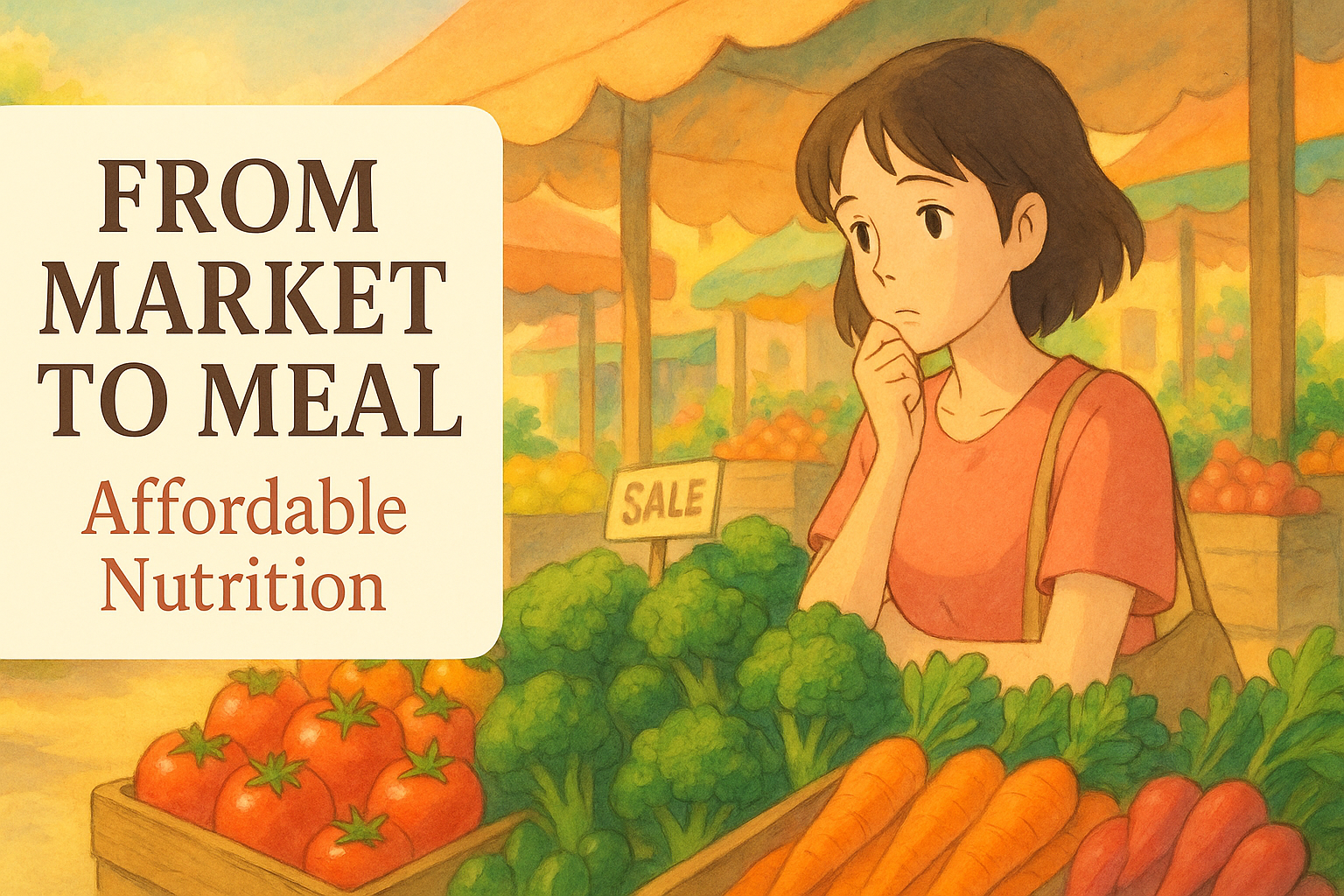
You’ve seen it.
A mother standing at a market stall, weighing her options between a handful of sukuma and a packet of chips. One will fill her children’s stomachs; the other will fill them fast.
The struggle is quiet but constant: how to stretch a small budget without starving nutrition.
In many Kenyan homes, the question isn’t “What’s healthy?” It’s “What can we afford today?”
This is for every parent, guardian, or caregiver trying to make sense of that balance — to make meals that nourish, not just feed.
Table of Contents
- Myth 1: Eating Healthy is Expensive
- Myth 2: Children Only Need to Feel Full
- Myth 3: Markets Are Too Expensive for Real Nutrition
- Stretching the Shilling: Smart Meal Planning Tips
- The Heart of Affordable Nutrition
Myth 1: Eating Healthy is Expensive
We’ve been sold a lie — that health sits on supermarket shelves, wrapped in shiny packaging.
But good nutrition doesn’t require imported ingredients.
In fact, some of Kenya’s most powerful foods grow right outside our doors:
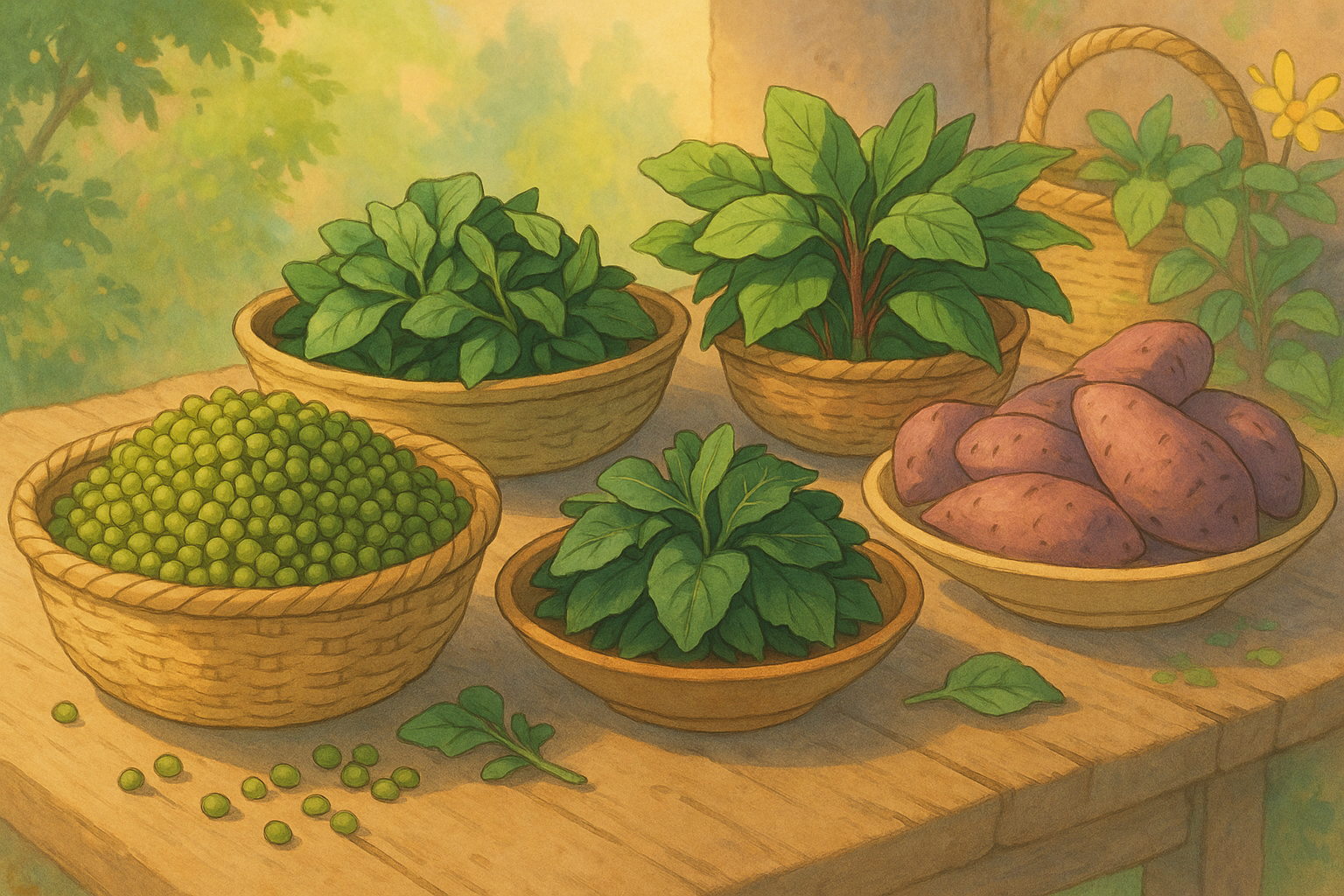
- Ndengu (green grams) — rich in protein, cheaper than meat.
- Kunde and terere — packed with iron and calcium.
- Sweet potatoes and pumpkins — full of fiber and Vitamin A.
- Eggs — one of the most affordable, complete proteins.
👉 Reality Check: It’s not about eating more. It’s about eating smarter — and local foods often give more nutrition per shilling than “modern” ones.
Myth 2: Children Only Need to Feel Full
Full isn’t the same as nourished.
Ugali and tea might silence hunger pangs, but without vegetables, protein, and fruits, they leave behind hidden hunger — the kind you can't see, but that weakens learning, growth, and immunity.
Simple tweaks make a difference:
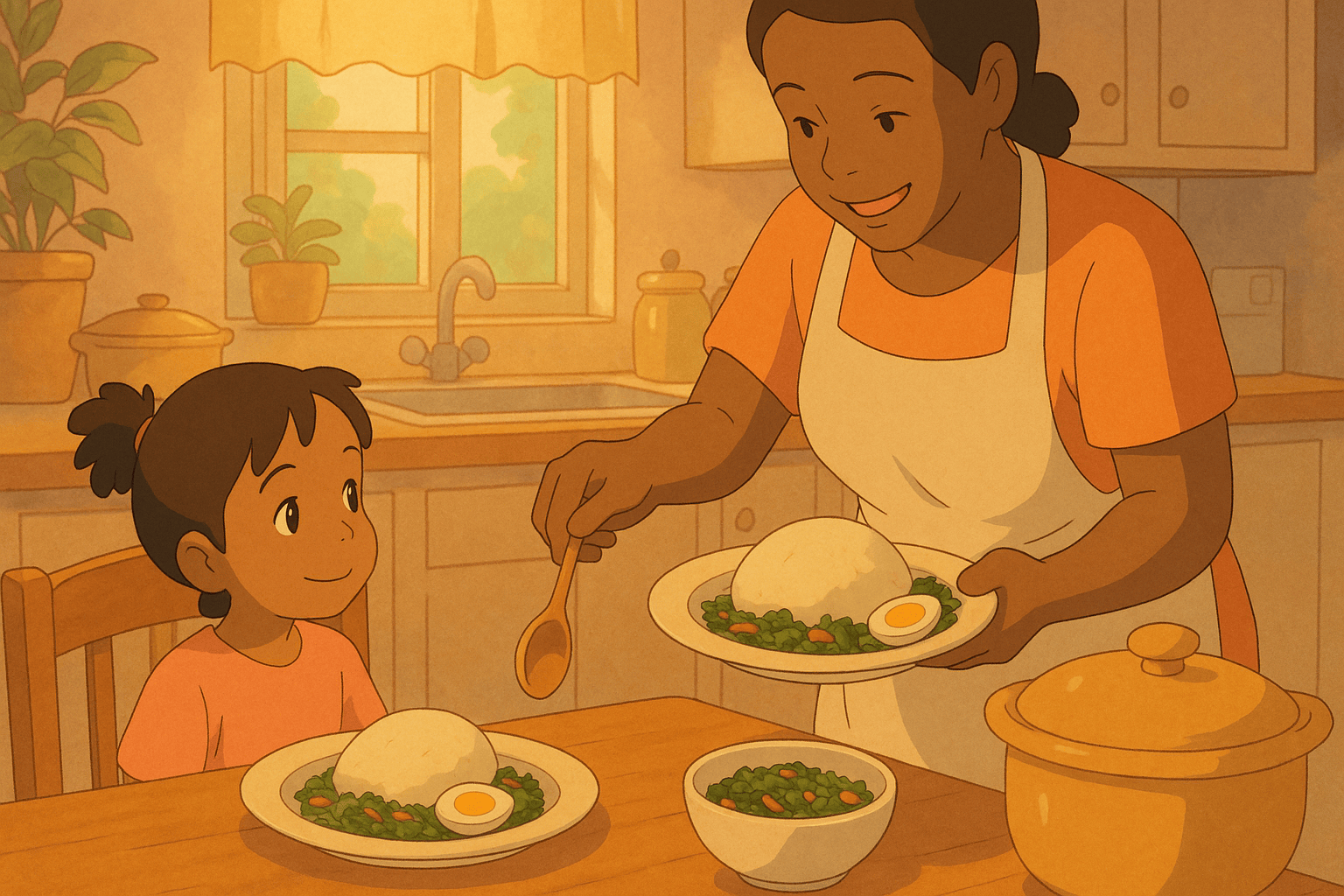
- Add mashed beans or sukuma to ugali.
- Replace soda with blended pawpaw or banana.
- Introduce one boiled egg a few times a week.
👉 Reality Check: Nutrition isn’t luxury — it’s survival fuel for the next generation.
Myth 3: Markets Are Too Expensive for Real Nutrition
It’s not about where you shop — it’s about when and how.
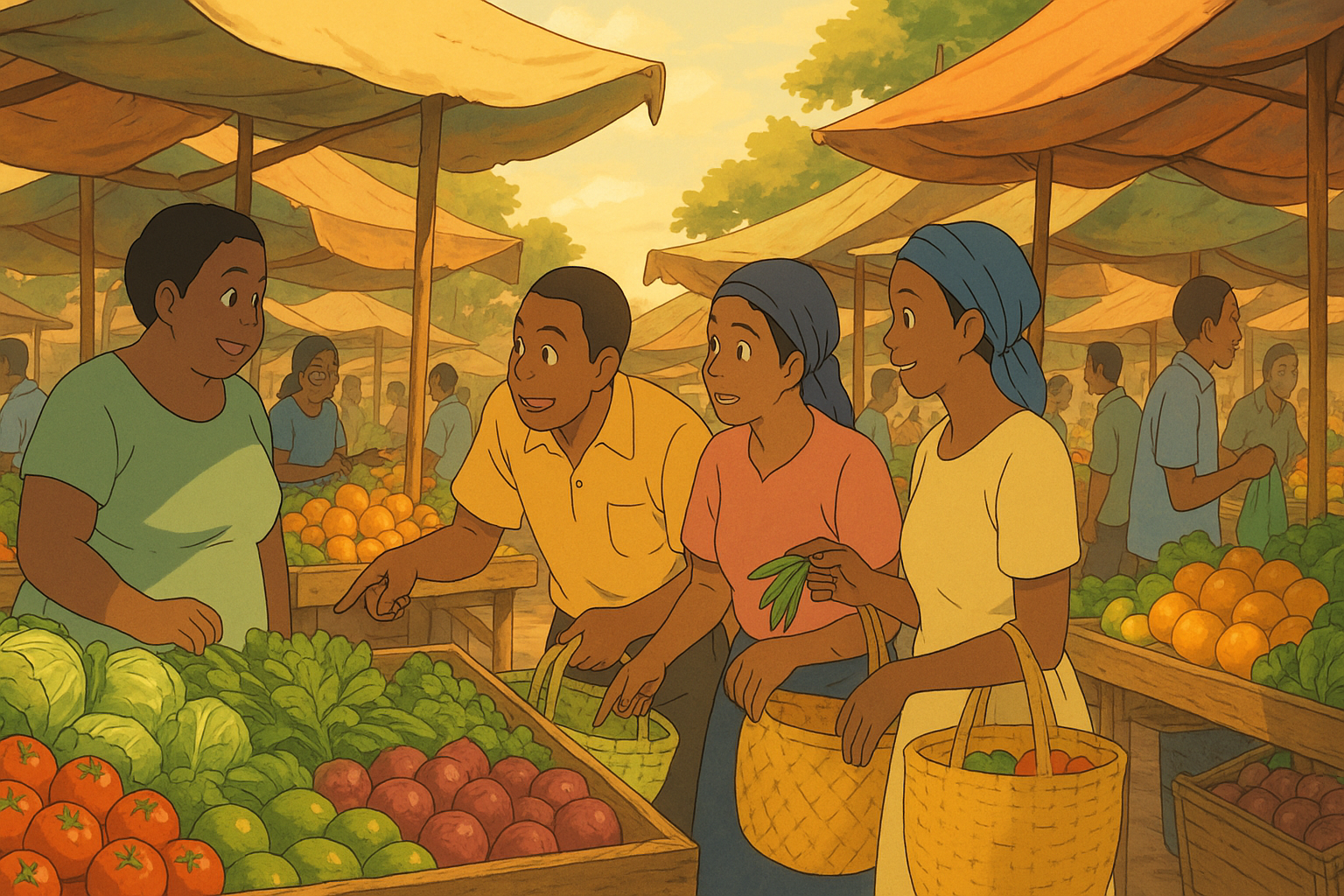
Go late afternoon when traders lower prices to clear stock. Buy in bulk and share with a neighbor. Choose what’s in season — mangoes in December, sweet potatoes in July.
Better yet, grow your own where possible. Even a few sukuma stalks in tins behind the house can cut weekly costs.
👉 Reality Check: Nutrition starts with planning, not privilege.
Stretching the Shilling: Smart Meal Planning Tips
- One Base, Many Meals — Cook ndengu once, turn it into stew, sandwich filler, or vegetable mix.
- Batch Cook — Save fuel by preparing larger quantities.
- Local Grains Over Imports — Finger millet, sorghum, or cassava beat pasta and rice in both cost and nutrients.
- Waste Nothing — Pumpkin leaves, fish heads, bean water — all hold nutrients.
Each small decision compounds into a healthier family.
The Heart of Affordable Nutrition
Affordable nutrition isn’t about cutting corners — it’s about reclaiming knowledge.
It's mothers in Kibera sharing cooking tips. Fathers in Turkana tending kitchen gardens. Communities rediscovering indigenous foods not because they're trendy, but because they've always worked. This connects to the deeper story of food, culture, and identity in Kenya.
In Kenya’s story, food is resilience.
And from market to meal, every choice we make can build stronger, brighter futures — one plate at a time.