Sanitation in Turkana: Building Dignity, One Latrine at a Time
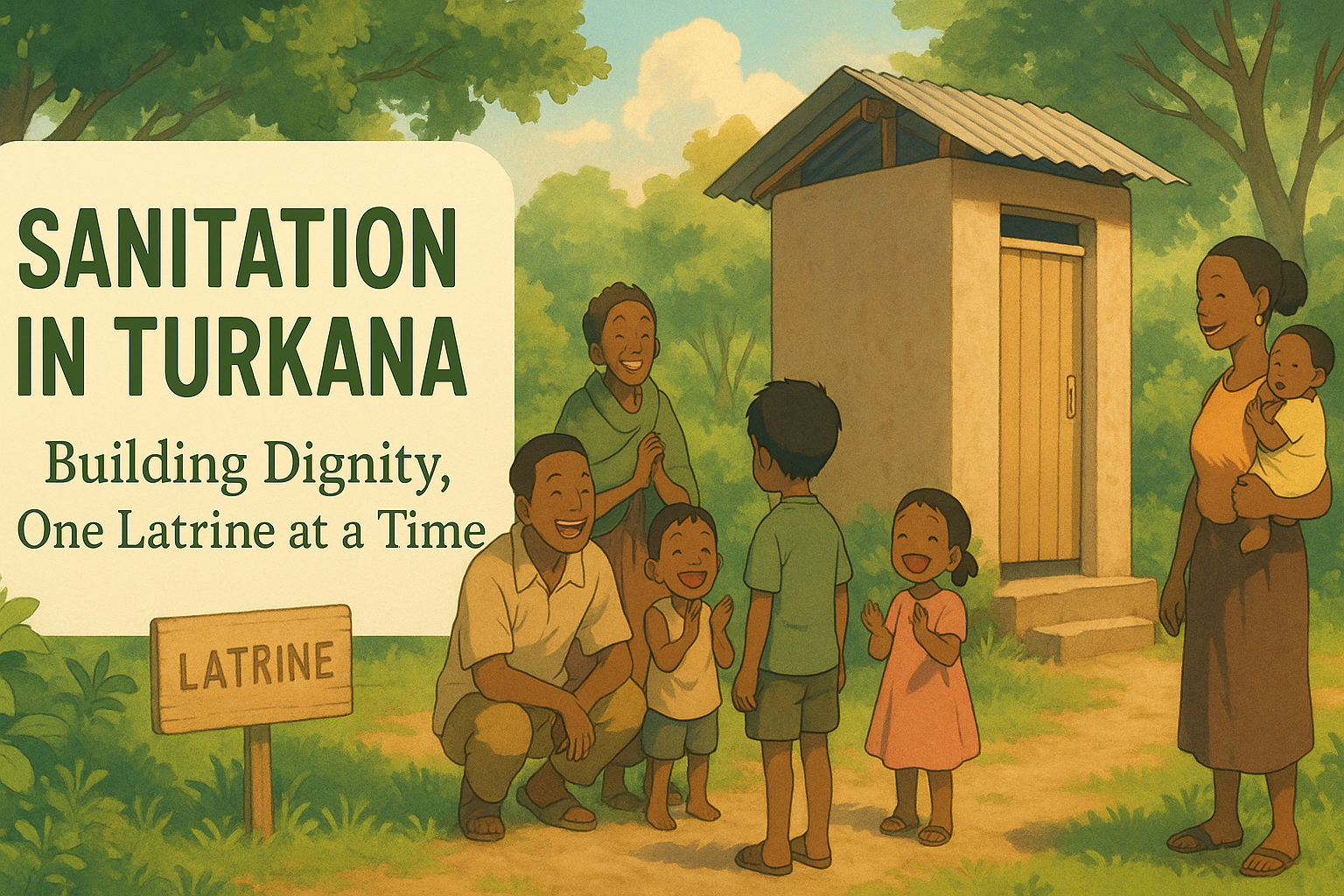
When you think of public health in ASAL regions like Turkana, the first word that comes to mind might be water. But the hidden partner in that story is sanitation. Without safe latrines, clean water efforts are undermined by disease outbreaks. When I joined sanitation projects in Turkana and Kakuma refugee camp, I saw just how much latrine construction can change community health and dignity.
Table of Contents
- From Open Defecation to Safer Spaces
- Declaring Areas Open Defecation Free (ODF)
- The Latrine Construction Journey
- Why Latrines Matter in Nutrition and Health
- Conclusion — More Than a Structure
From Open Defecation to Safer Spaces
In many ASAL communities, families once relied on open fields or riverbanks for defecation. This practice contaminates water sources and spreads diarrheal diseases - the leading cause of child deaths in many low-resource settings.
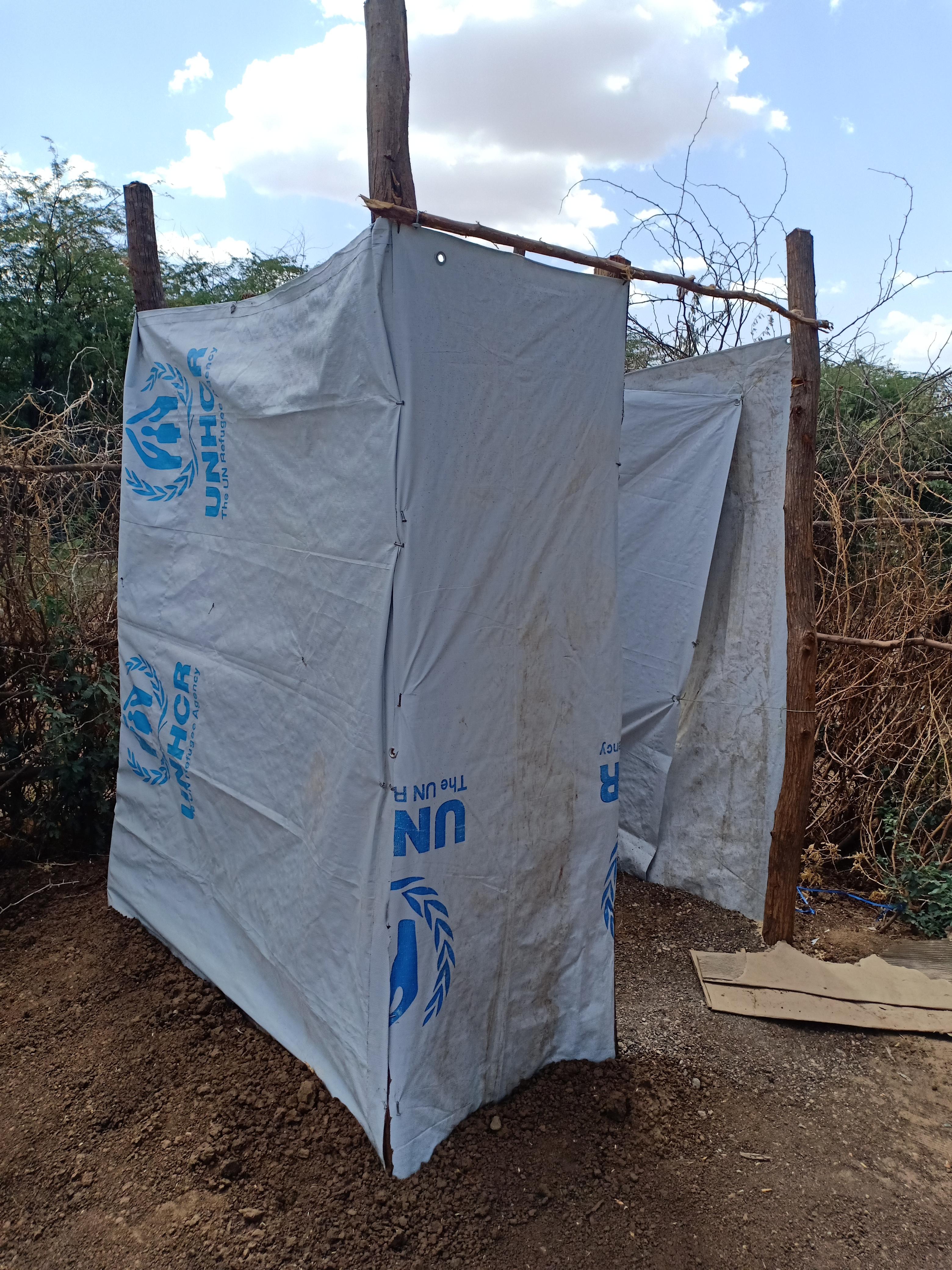
The journey towards change starts small: with temporary latrines made of tarpaulin and poles. They are basic, but they represent a shift toward hygiene, privacy and dignity.
Declaring Areas Open Defecation Free (ODF)
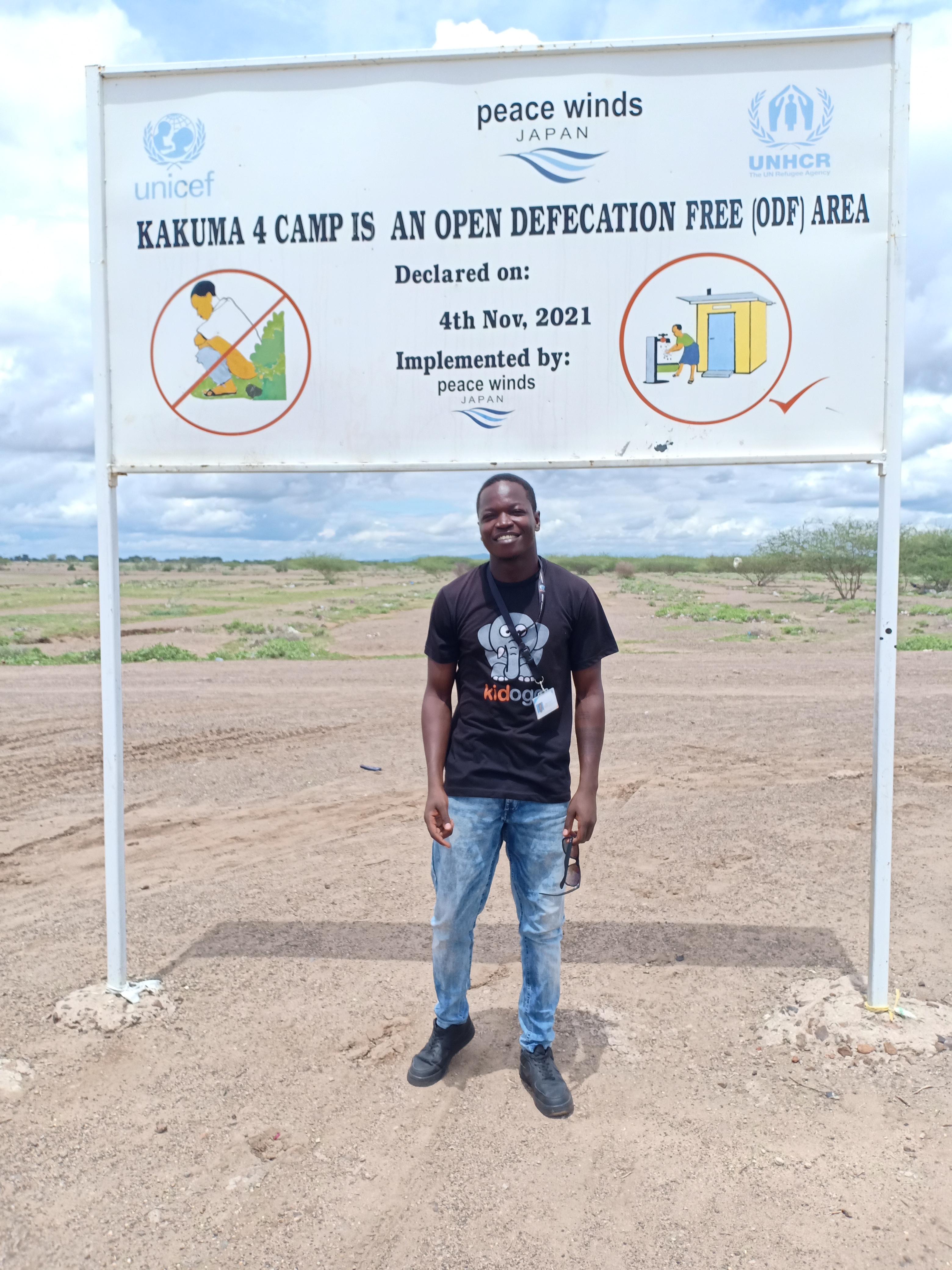
In Kakuma 4 Camp, community-led sanitation efforts have paid off. On November 4th, 2021, the area was officially declared Open Defecation Free (ODF). That milestone means families no longer need to risk their safety or health in the open.
ODF status isn’t just a label - it’s a promise: fewer disease outbreaks, safer environments for children, and stronger community pride.
The Latrine Construction Journey
-
Foundation Stage
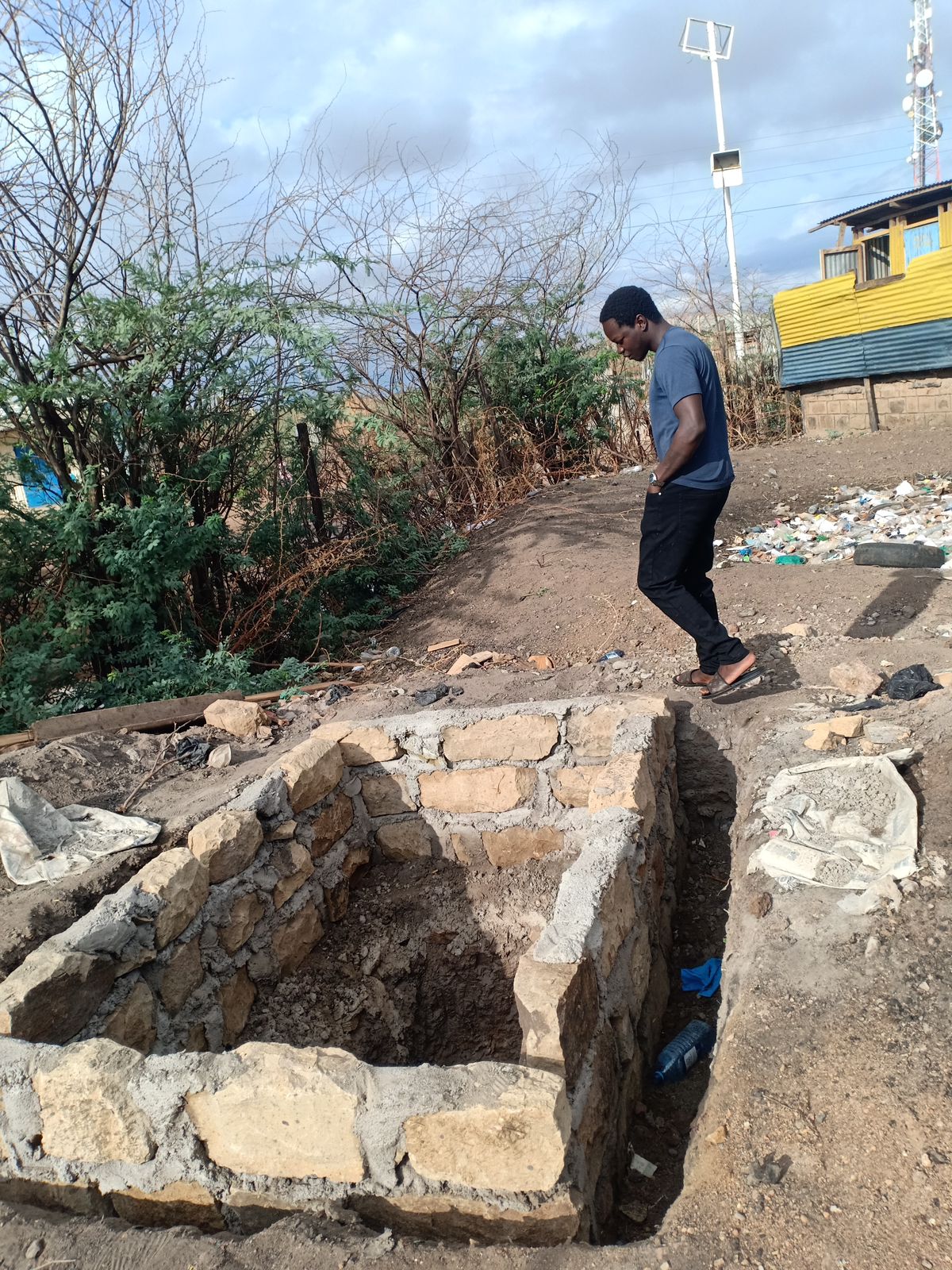
Everything begins with a stone-lined pit. This forms the safe containment that prevents waste from contaminating groundwater.
-
Mid-Stage Construction
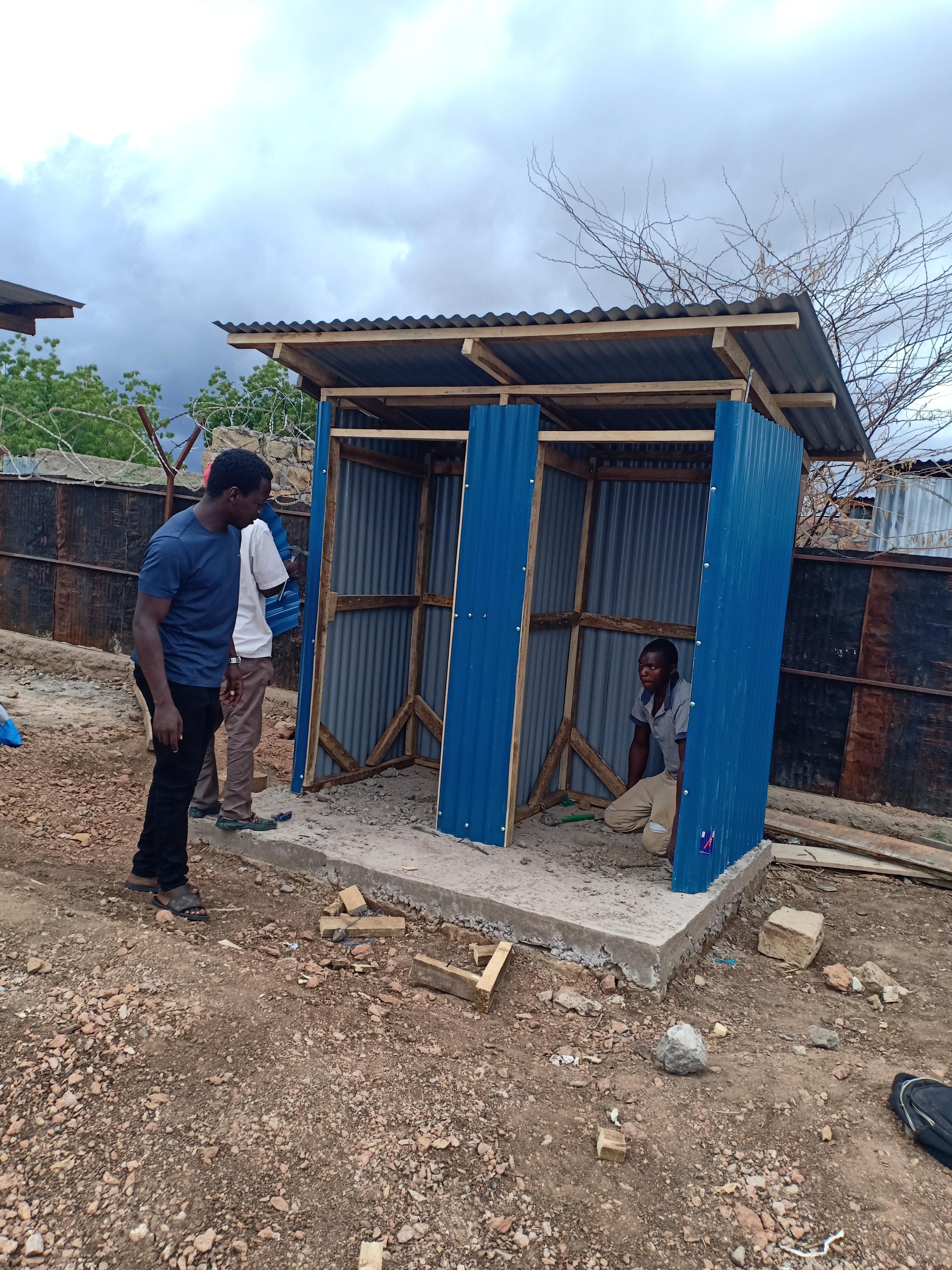
Wooden frames and iron sheets are added, providing structure and ventilation.
-
Completion
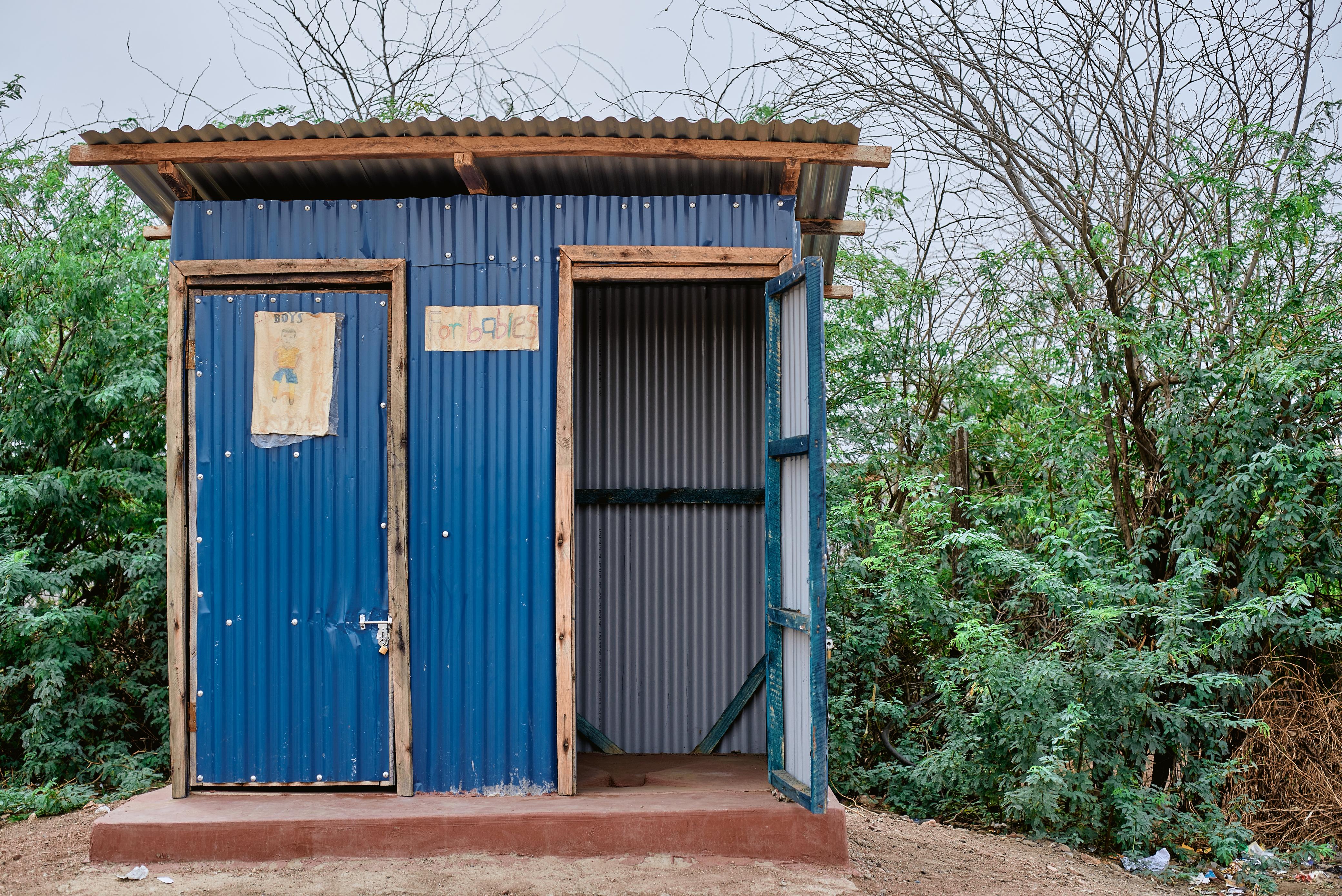
Finished latrines at schools are painted and labeled for boys, girls, and teachers. These small buildings symbolize health, safety and equality.
Why Latrines Matter in Nutrition and Health
Sanitation isn’t separate from nutrition - it’s at the heart of it. Without safe waste disposal, children suffer frequent diarrheal infections that block nutrient absorption, leading to stunting and malnutrition even when food is available.
Every new latrine is a step toward better child growth outcomes, higher school attendance, and stronger immune systems.
Conclusion — More Than a Structure
A latrine in Turkana is more than bricks and iron sheets. It’s:
- A shield against waterborne diseases.
- A safe space for women and girls.
- A foundation for healthier children and stronger communities.
Building dignity, one latrine at a time, is as powerful as any vaccine or nutrition program.