Food, Culture, and Identity
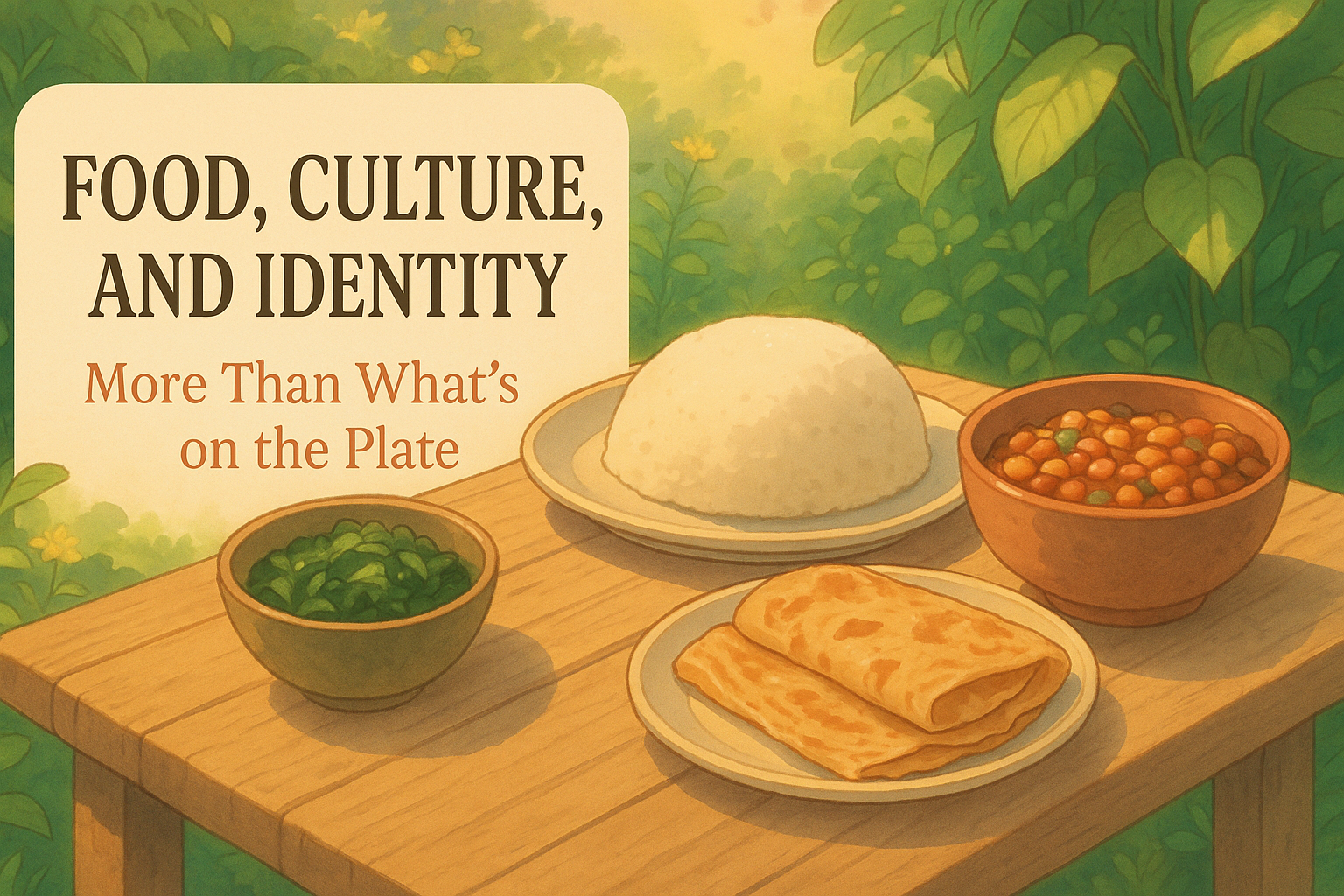
Kenyan food is not just about eating. It’s about who we are, how we love, and what we remember.
From chapati Sundays to githeri Fridays, every bite carries a story — a taste of home, a rhythm of belonging.
But as city life speeds up and traditions fade, we have to ask: Are we still feeding our bodies — or just filling our stomachs?
Table of Contents
- Myth 1: Nutrition Is Just About Science
- Myth 2: Traditional = Old-Fashioned
- Myth 3: Fast = Progress
- The Return to the Table
- The Future Is Local
Myth 1: Nutrition Is Just About Science
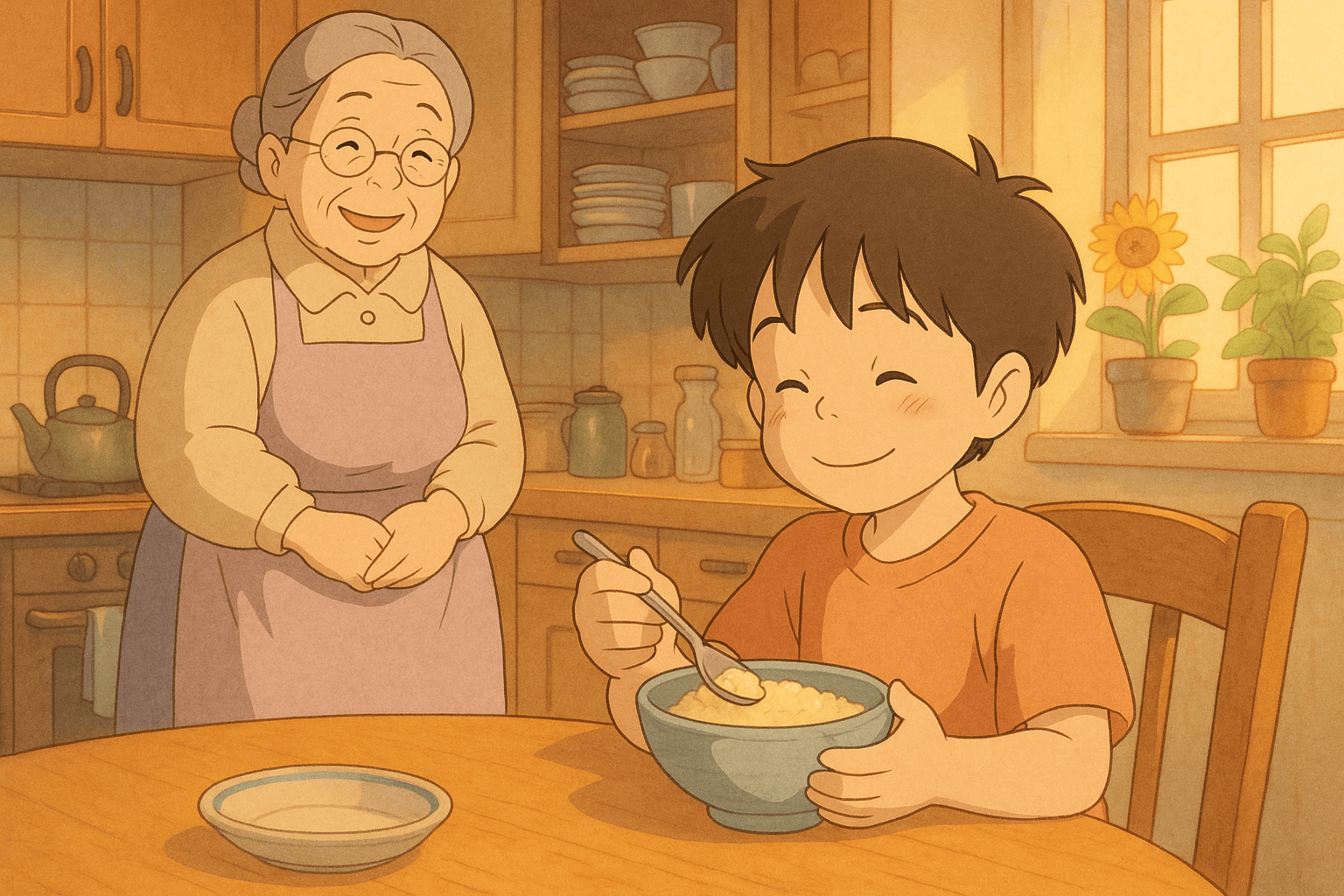
You’ll hear it everywhere — “Eat more protein, count your calories, avoid carbs.” Science matters, yes. But nutrition isn’t only about nutrients. It’s about memory, emotion, and meaning.
A bowl of millet porridge isn’t just iron and fiber — it’s childhood. It’s your grandmother’s voice telling you “kula vizuri” before school.
👉 Reality Check: If we ignore the cultural heartbeat of our food, we lose more than nutrients. We lose identity.
Myth 2: Traditional = Old-Fashioned
Modern life has tricked us into believing that the past is outdated. We chase imported superfoods — chia, quinoa, almond milk — while ignoring local treasures that have sustained us for generations.
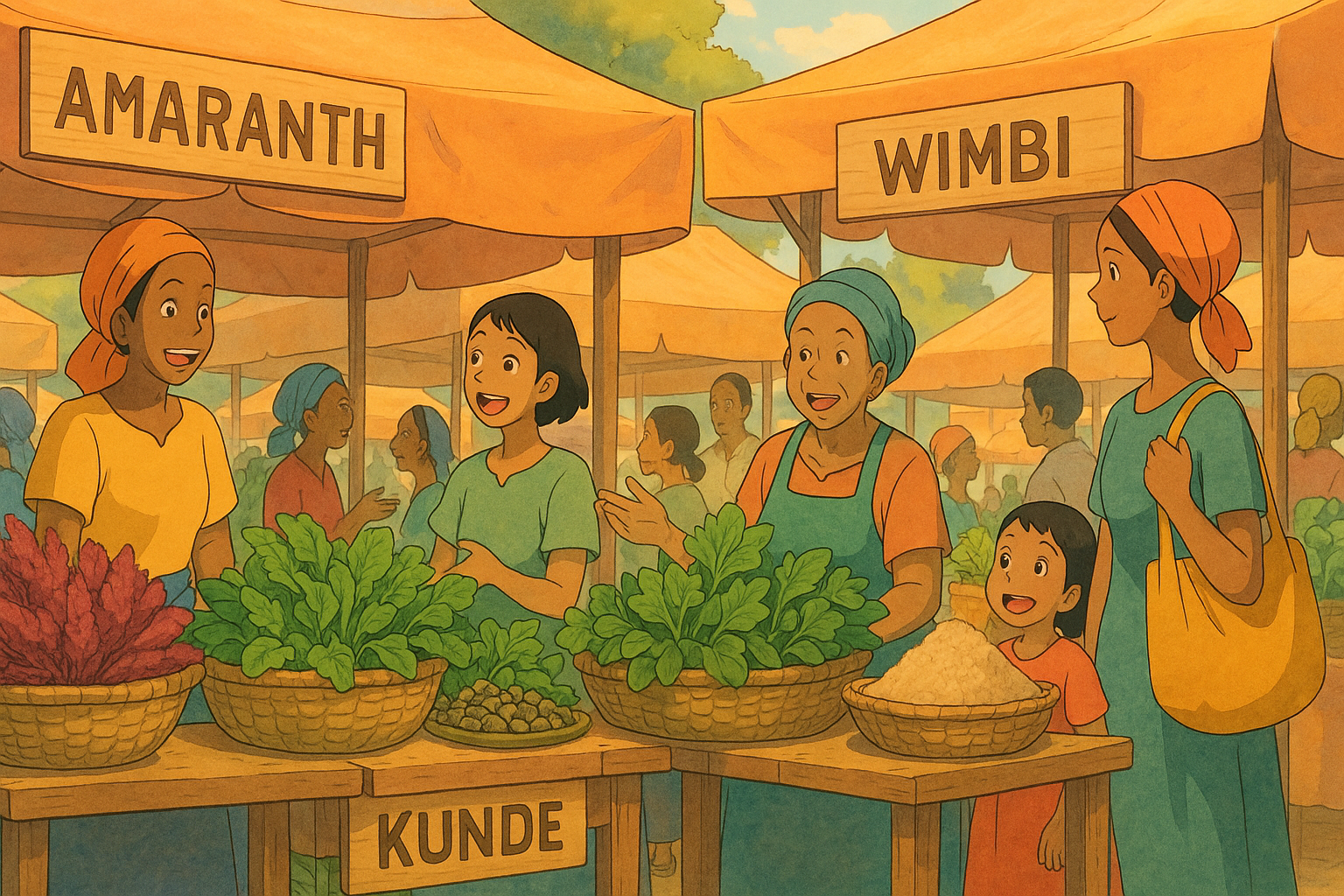
Amaranth. Kunde. Wimbi. These are not “poor man’s foods.” They’re Kenya’s original superfoods.
👉 Reality Check: Our grandmothers were nutritionists before degrees existed. Traditional doesn’t mean backward — it means tested and trusted.
Myth 3: Fast = Progress
Life in Nairobi moves fast. Lunch breaks shrink. Meals turn into “snacks.” We eat standing up, scrolling, rushing. Convenience feels like progress — until it costs our health.
Processed food fills time, not bellies. The taste is instant, but the damage is slow: rising diabetes, high blood pressure, fatigue.
👉 Reality Check: Fast food might save five minutes, but traditional meals save generations.
The Return to the Table
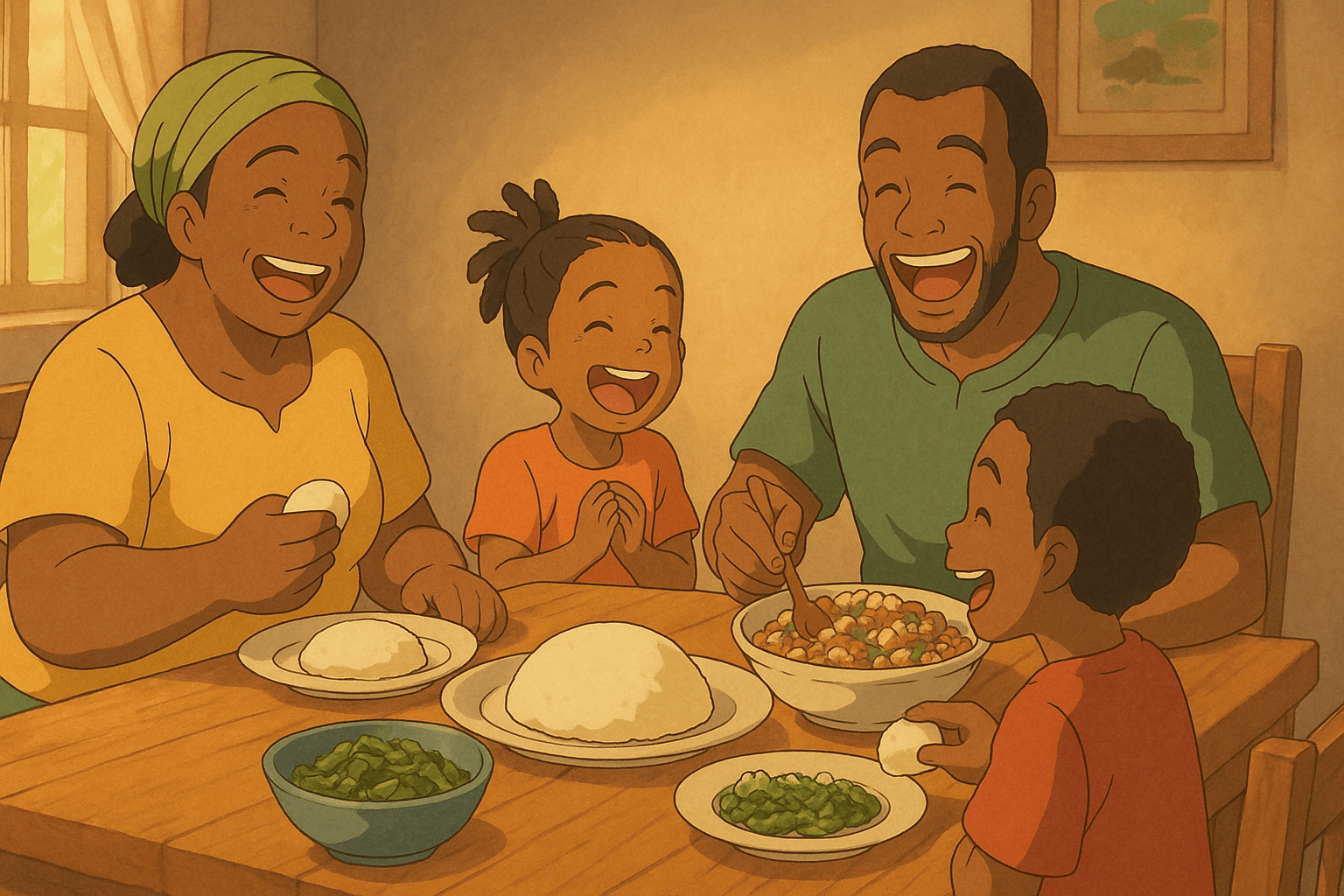
Picture this. A family gathered around a steaming pot of ugali. Laughter. Shared stories. Hands reaching across a wooden table.
That’s not nostalgia — it’s nutrition. When we eat together, we reconnect with what food was always meant to be: a bond, not a transaction.
Every pot of githeri, every shared banana, every coconut curry whispers the same message: We belong.
The Future Is Local
The solution isn’t in the next health trend — it’s already in our markets. If we want healthier children, stronger communities, and a sustainable food system, we must look inward.
Support local farmers. Revive indigenous crops. Cook together. Because food, in Kenya, has never just been about eating. It’s been about being.