Managu, Terere, Kunde: An Honest Look at the Indigenous-Veg Comeback
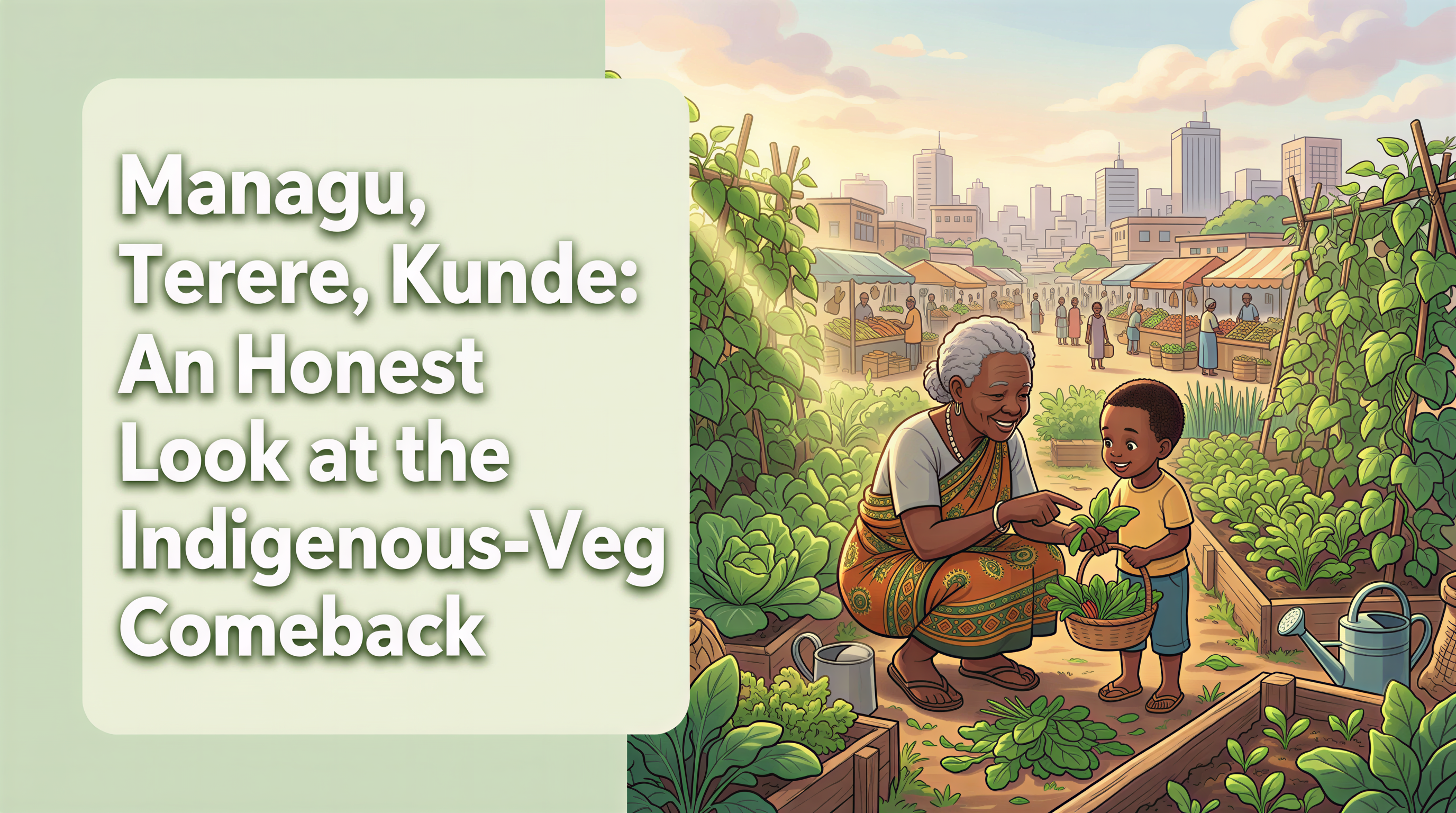
Managu costs more than sukuma at City Park now.
Twenty years ago a Kakamega grandmother could not give it away in the city. Today, a Lavington restaurant lists "wilted nightshade greens" on the dinner menu at KSh 650 a portion.
That is progress. It is also a problem. And the gap between those two sentences is the most interesting Kenyan food story of the last decade.
This is the indigenous-vegetables comeback, told straight. What worked. Who profited. Where the price tension came from. And what the trend is missing.
Table of Contents
- What Counts As "Indigenous"
- What Actually Drove The Comeback
- Who Profited From The Comeback
- Who Lost
- What The Trend Is Missing
- What To Do This Week
What Counts As "Indigenous"
The phrase "African indigenous vegetables" (AIV) refers to the leafy greens — and a few non-leafy crops — that were widely grown and eaten across pre-colonial Eastern Africa, declined under colonial cropping pressure and post-independence preference shifts, and have been quietly returning since the 2000s.
The headliners in Kenya:
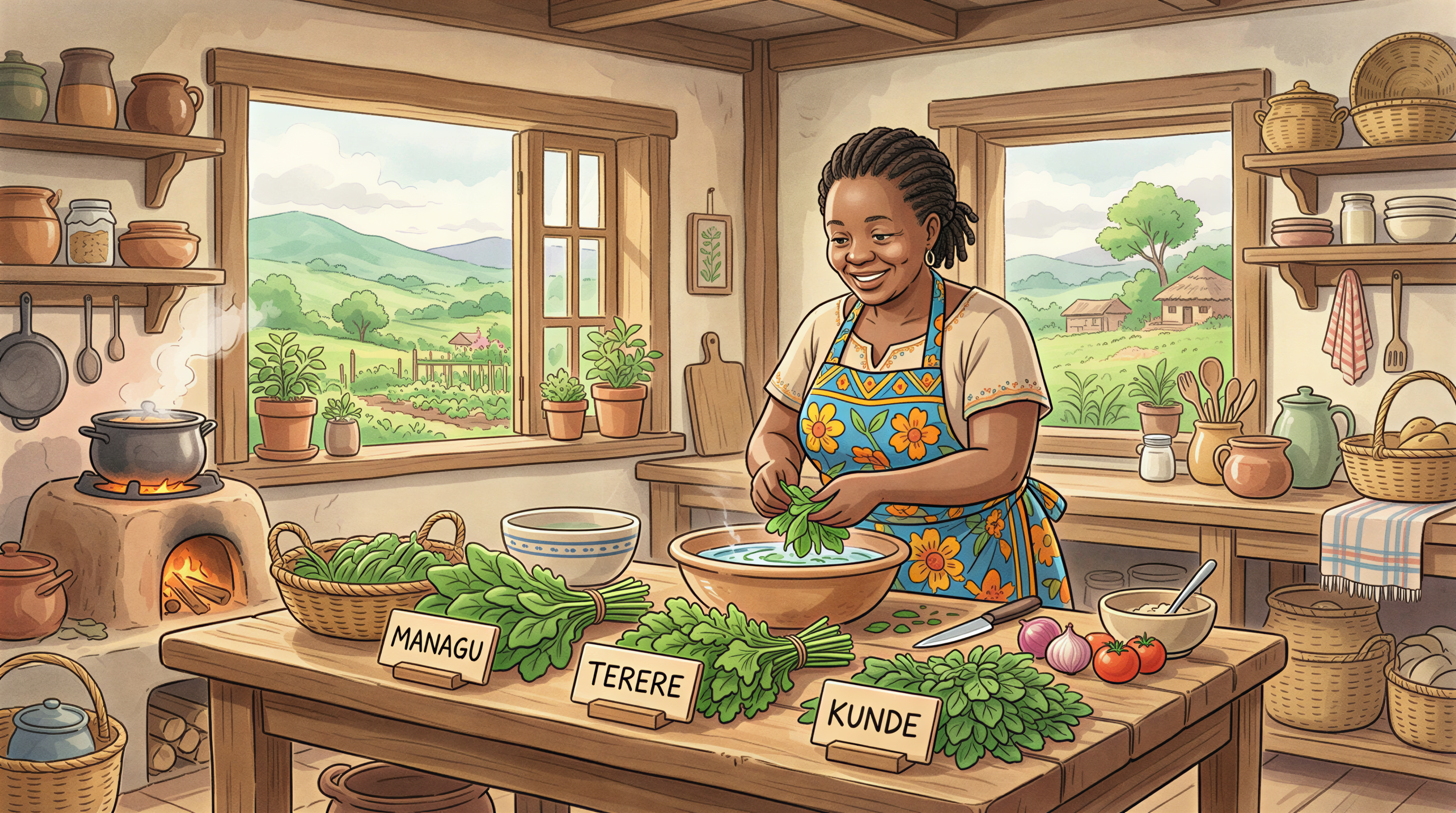
- Managu (African nightshade)
- Terere (amaranth)
- Kunde (cowpea leaves)
- Sagaa / saga (spider plant)
- Mrenda / mlenda (jute mallow)
- Kanzira (Ethiopian kale)
- Mitoo (slender leaf)
Plus a few non-leafy crops that fall into the same conceptual basket: bambara nuts, finger millet (wimbi), pearl millet (mawele), sorghum, cassava varieties, indigenous yam types.
For most of the 20th century, agricultural extension, supermarkets, and aspirational diets pushed these aside in favour of sukuma wiki (collard greens, only popularised in Kenya from the 1970s) and exotic vegetables. By the 1990s, AIVs were associated with rural poverty and mostly grown for household consumption.
By 2010, that started reversing.
What Actually Drove The Comeback
It was not "consumer preference shifting toward traditional foods" in the romantic sense. Three concrete drivers did the work.
1. Nutritional research from Kenyan universities.
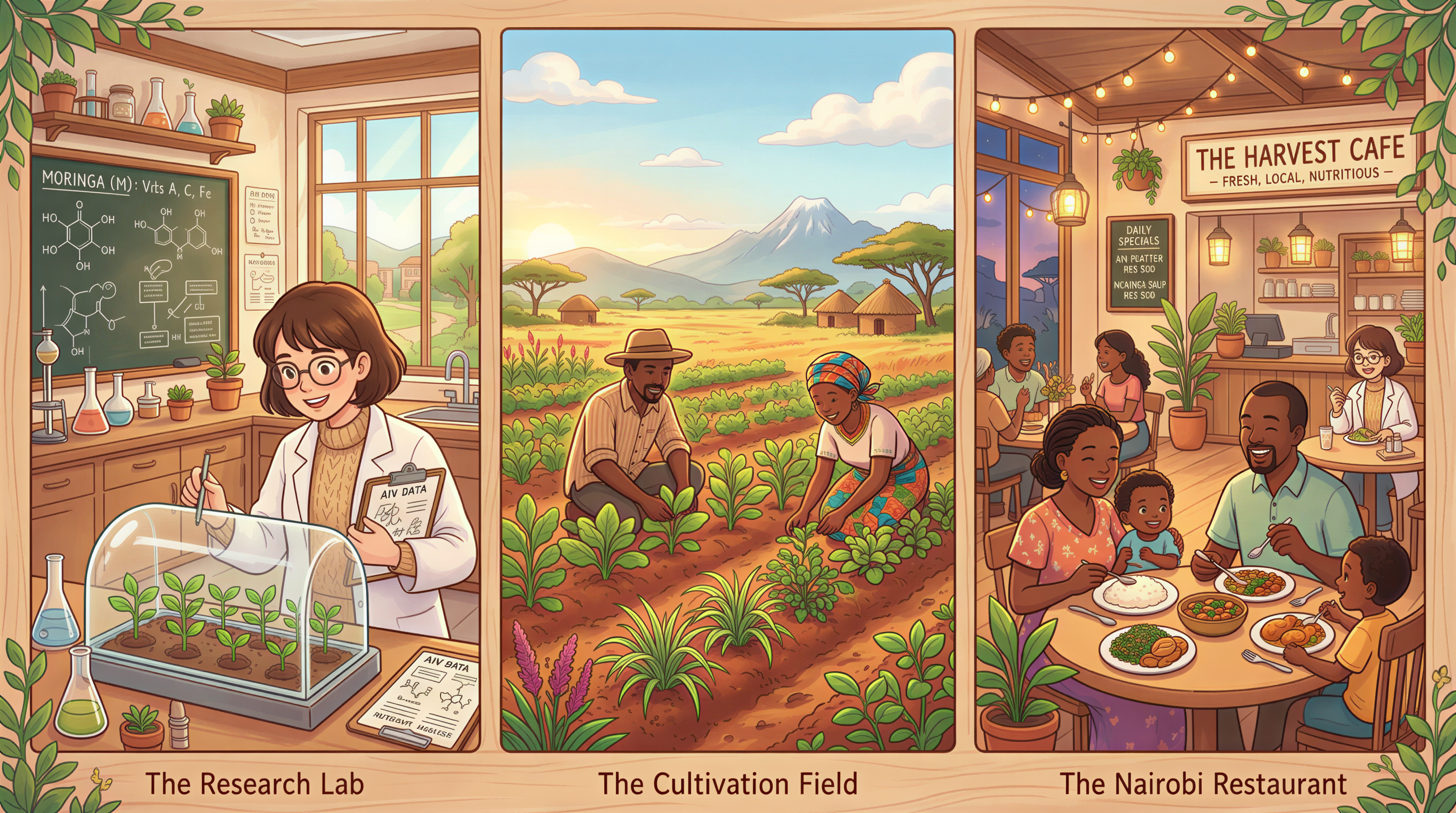
Throughout the 2000s, researchers at JKUAT, Maseno, and Egerton produced solid data showing AIVs were dramatically more nutrient-dense than sukuma:
- Managu: 2–3x the iron, 1.5x the vitamin C, more calcium, more folate
- Amaranth: complete protein, exceptional iron, more total nutrients per gram than spinach
- Cowpea leaves: high protein, calcium, B vitamins
- Spider plant: high vitamin A and iron, traditional medicinal uses
The science was specific. Once it was published, it became a teaching point in nutrition curricula across Kenya. A generation of nutritionists started telling their patients: eat less sukuma, eat more managu.
2. Climate-resilience pressure on smallholder farms.
Most AIVs are dramatically more drought-tolerant, pest-tolerant, and short-cycle than the exotic vegetables they replaced. As rainfall became less predictable in many counties, smallholder farmers started reintegrating AIVs as risk diversification. Some grew them for sale; many grew them for household resilience.
3. Urban demand from a returning diaspora and an aspirational middle class.
This is the surprising one. As more middle-class urban Kenyans travelled, returned, ate at high-end restaurants abroad, and engaged with the global "rediscover heritage foods" cultural moment, demand for AIVs in Nairobi rose sharply. Restaurants started featuring them. Markets started stocking them. Supermarket chains added managu and terere to the standard veg shelf.
The price followed. By 2018, managu in a Westlands supermarket was already costing more than sukuma. By 2024, in season, it was double.
That is the trend. Now the asymmetry.
Who Profited From The Comeback
Three winners.
1. Some smallholder farmers.
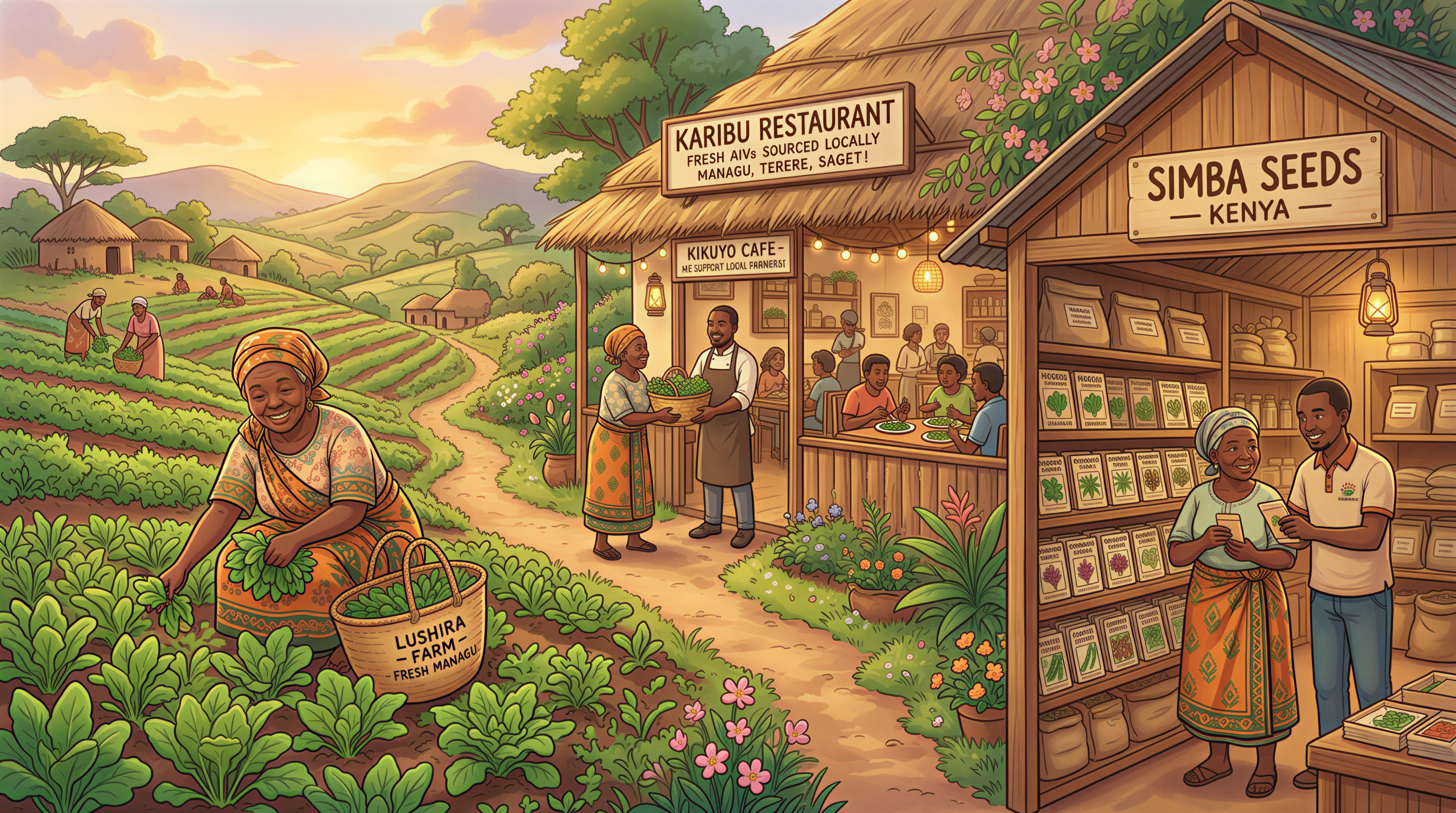
Farmers in Kakamega, Bungoma, Vihiga, Embu, and parts of Western and Eastern Kenya who reorganised production around higher-value AIV varieties have done well. AIVs sell at 2–3x the per-kilo price of sukuma at the gate, and the production cycle is short, so cash flow is faster.
2. Aggregators and restaurants.
The middle of the supply chain has captured most of the price differential. The restaurant selling KSh 650 wilted nightshade is paying KSh 80 a kilo at most. The aggregator is collecting at KSh 25 a kilo and selling at KSh 60.
3. Seed companies.
Improved AIV varieties are now sold by major seed companies (Simlaw, KALRO, Eastern African seed houses). The market is real and growing.
The losers are quieter.
Who Lost
Two groups.
1. Low-income urban consumers.
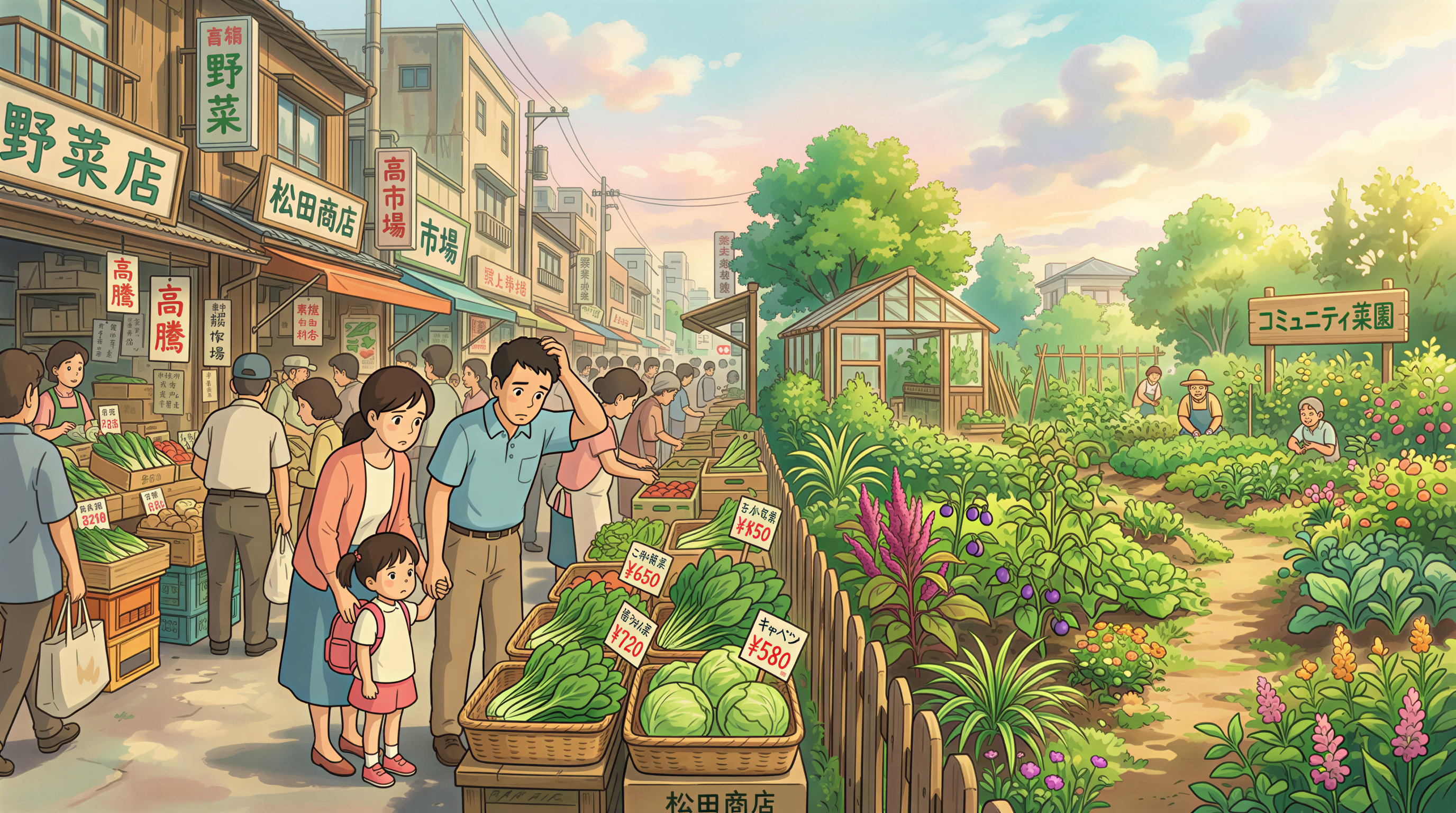
For a Kibera or Mathare household, the affordability calculus has shifted. Twenty years ago, managu was the cheap option, distributed by neighbours and grown in tiny garden patches. Today, in many urban markets, it is more expensive than sukuma. The household has switched back toward sukuma not because they prefer it but because the price has pushed them.
This is the irony hidden in the comeback story: a food that was nutritionally superior and historically affordable has become nutritionally superior and selectively unaffordable. The trend has stratified access.
2. Some traditional varieties.
The AIV "comeback" has favoured certain commercially friendly varieties — easy to harvest, transport, store. Many traditional sub-varieties (specific local strains of amaranth, regional managu cultivars) are still being lost as smallholders shift to the commercial varieties seed companies sell. Genetic diversity is narrowing within the broad AIV category.
This is preservation that quietly performs its own erasure.
What The Trend Is Missing
Three points the comeback story rarely engages with.
1. AIVs are a public health intervention, not just a food trend.
Kenya's hidden hunger and iron-deficiency picture would benefit hugely from regular AIV consumption. The fact that many low-income urban households now eat less AIV than they did twenty years ago — because the price has risen — is a quietly bad public health outcome.
A serious response would include:
- School feeding programmes that source AIVs from nearby smallholders at controlled prices
- Hospital food service standards that require AIVs in week-on-week menus
- Subsidised AIV seeds for kitchen-garden distribution in low-income wards
- Nutrition counselling that meaningfully promotes AIVs to caregivers — see the CHV nutrition toolkit
We have done very little of this. The market has run ahead of public health policy.
2. The cooking traditions are still being lost.
A KSh 650 plate at a Lavington restaurant is not the same as a grandmother's preparation. The traditional combinations — managu cooked with smoked meat or omena, amaranth with kunde and groundnut paste, sagaa with sour milk — are not on the trend's menu. Younger Kenyans buy AIVs and cook them as they cook sukuma, missing most of the flavour and the nutrition synergy.
This is a quiet loss. The vegetable returned. The recipes did not.
3. Climate adaptation is the real story, and we aren't telling it.
The most important reason to support AIVs is climate adaptation. They tolerate drought, marginal soils, and pest pressure better than the imported greens that replaced them. As Kenyan rainfall patterns become more erratic, AIVs are part of the agroecological answer.
This framing — AIVs as climate-resilience infrastructure — is largely absent from public conversation. We are talking about them as a food trend instead of a strategy.
What To Do This Week
If you are a Kenyan reading this:
- Buy managu, amaranth, or kunde from sokoni this week. Pay the small premium. Cook them well — with onion, tomato, a pinch of salt, and ideally a smoked-meat or omena pairing.
- If you have a small patch of ground or a sack on a balcony, grow them. Seeds cost KSh 30–60.
- Teach a younger person in your family the traditional combinations. The recipes are part of the food.
If you work in policy or programmes:
- AIVs are the highest-return cheap nutrition intervention available right now in Kenya. Push them into school feeding, hospital procurement, ECD centres.
- Subsidise AIV seeds in low-income urban wards. The cost is trivial. The kitchen-garden multiplier is real.
For the broader cultural-food picture, see traditional foods, modern nutrition and food culture and identity in Kenya.
The vegetables came back. The job now is to make sure they come back to everyone.